Seamless Data Migration Framework: Strategy, Best Practices, and Checklist
-

- February 23rd, 2026
- 1,349 views

FREE SEO Topical Map Generator: Find Your Next Content Ideas
The data migration framework is a structured set of practices, tools, and governance used to move data reliably between systems while preserving integrity, security, and business continuity. A robust framework reduces downtime, protects sensitive information, and ensures that application behavior and business reporting remain accurate after migration.
- Define scope, stakeholders, and success metrics early.
- Use systematic data discovery, mapping, and transformation rules.
- Apply validation, reconciliation, and staged testing before cutover.
- Enforce data governance, security controls, and rollback plans.
- Plan post-migration monitoring, documentation, and optimization.
What is a Data Migration Framework?
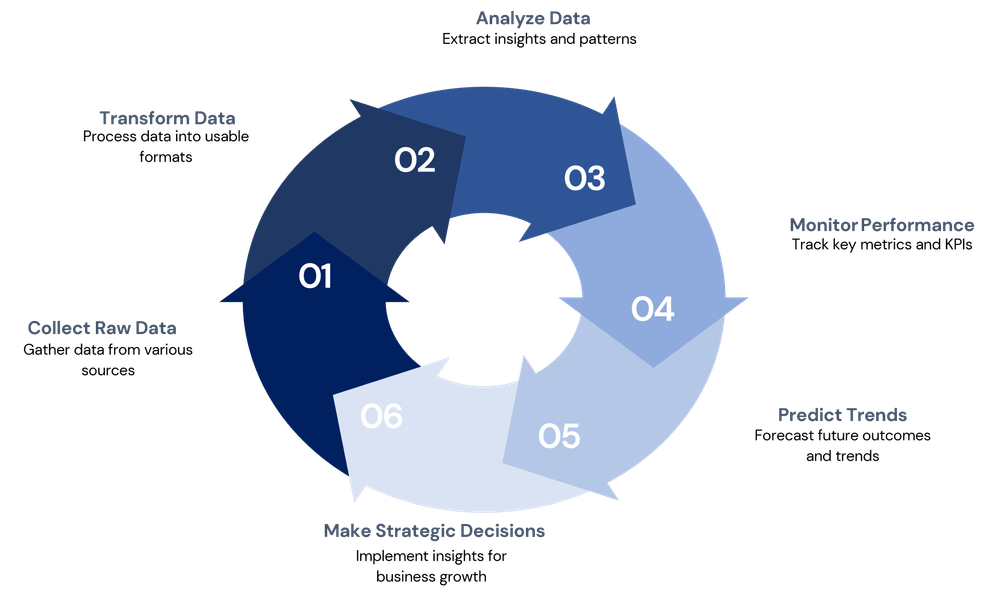
A data migration framework is a repeatable methodology that organizes the tasks necessary to move data from legacy systems to target systems or cloud platforms. It typically includes assessment, extraction, transformation, loading (ETL), validation, cutover strategy, and post-migration operations. The framework aligns technical processes with business requirements, compliance obligations such as GDPR and ISO/IEC information security standards, and operational constraints like maintenance windows.
Planning a Migration Strategy
Define scope and objectives
Document which datasets, applications, and historical records will move, the acceptance criteria for success, and the key stakeholders. Establish measurable success metrics such as completeness, latency, and acceptable error rates.
Risk assessment and compliance
Identify sensitive data subject to privacy or regulatory requirements. Include data residency, retention rules, and encryption needs. Refer to guidance from standards organizations and regulators when designing controls; for example, guidance from federal research organizations can inform risk-based approaches to data protection. NIST publishes standards and guidance relevant to secure data handling and system migration planning.
Core Components of a Seamless Data Migration
Data discovery and profiling
Conduct automated discovery to inventory data sources, formats, and volumes. Profile datasets to understand data quality issues, schema variations, null distributions, and referential integrity constraints.
Mapping and transformation rules
Create explicit data maps from source to target fields. Define transformation logic (format conversion, normalization, business rule application) and handle schema evolution. Maintain mapping documentation to support testing and audits.
ETL/ELT design and automation
Select extraction and loading strategies suitable for the dataset size and the target environment. For large migrations, consider incremental extraction and parallel loads to reduce cutover time. Automate repeatable tasks to reduce manual error and improve reproducibility.
Data Quality, Validation, and Reconciliation
Validation checkpoints
Define validation layers: syntactic checks (types, lengths), semantic checks (business rules), and reconciliation (record counts, aggregate totals). Use checksums and hashing where appropriate to verify record integrity after transfer.
Reconciliation and issue handling
Implement reconciliation reports that highlight mismatches and missing records. Define SLAs for issue resolution and a clear triage process to categorize data findings by severity.
Testing, Cutover, and Rollback
Staged testing
Execute unit tests for transformations, integration tests for dependent systems, and user acceptance tests for business workflows. Run full dress rehearsals (mock cutovers) to validate timing, performance, and rollback processes.
Cutover planning and rollback
Choose an appropriate cutover approach—big bang, phased migration, or hybrid—and schedule it to minimize business impact. Prepare rollback plans and transactional backups so that the system can be restored to a known state if critical issues occur.
Governance, Security, and Documentation
Data governance and stewardship
Assign data owners and stewards to manage business rules and resolve data disputes. Maintain an authoritative data catalog that records sources, transformations, and lineage to support ongoing governance and audits.
Security controls
Encrypt data at rest and in transit, apply least-privilege access controls, and log administrative actions related to migration. Integrate security testing into migration test plans and validate that audit trails meet compliance requirements.
Post-Migration Operations and Optimization
Monitoring and stabilization
Monitor application behavior, data freshness, and performance indicators after cutover. Track user reports and error rates during the stabilization window and prioritize critical fixes.
Documentation and handover
Deliver complete runbooks, mapping documents, and test artifacts to operations teams. Capture lessons learned and update the migration playbook to improve future migrations.
Frequently asked questions
What is a data migration framework and why is it important?
A data migration framework is a repeatable methodology that organizes planning, mapping, transformation, testing, and governance for moving data. It is important because it reduces risk, ensures data integrity, and aligns technical activities with business objectives and regulatory requirements.
How long does a typical migration take?
Duration depends on scope, data volume, complexity of transformations, and available resources. Small-to-moderate migrations can take weeks; large enterprise migrations often require months of planning and staged execution.
What are common causes of migration failure?
Typical causes include inadequate discovery, poor data quality, missing validation, insufficient testing, and weak rollback planning. Strong governance and rehearsal testing reduce the likelihood of failure.