Shingle Repair: Smart Ways to Protect Your Roof Before Damage Spreads
-

- Published Updated
- 4,413 views
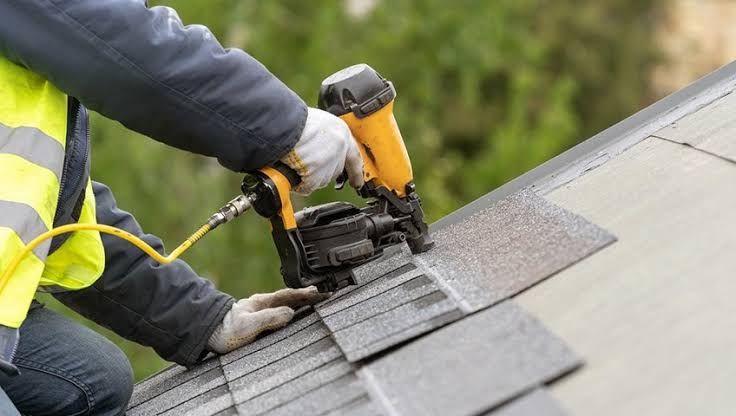
Shingle Repair can be a practical way to address roofing problems before a small defect becomes a much larger concern. A missing, cracked, or lifted shingle may not look serious from the driveway, but that damaged area can leave the layers underneath more exposed to rain, wind, and changing temperatures. When the problem is overlooked, moisture can eventually reach parts of the roof that are far more difficult to restore.
For homeowners in Milwaukee, WI, seasonal weather can put considerable pressure on residential roofing. Strong winds may loosen materials, hail can leave subtle impact damage, and repeated temperature changes can gradually weaken aging shingles. Knowing the warning signs and having questionable areas evaluated early can help protect the roof and the structure below it.
Why Damaged Shingles Should Not Be Overlooked
A residential roof is designed as a complete system rather than a collection of individual pieces. Shingles overlap one another so that water can move downward toward the roof's drainage points instead of reaching the layers underneath.
That protection can be compromised when a shingle cracks, curls, shifts out of position, or disappears completely. Water does not always enter the house immediately. It may first travel beneath the roofing material and affect the underlayment or decking before a stain appears on a ceiling.
This is why the size of visible damage does not always tell the full story.
Two missing shingles after a windy night may seem like a minor cosmetic issue. In reality, nearby shingles could also have lifted without coming completely loose. A closer evaluation can reveal whether the damage is isolated or whether the surrounding area has been affected as well.
Common Reasons Shingles Become Damaged
Roofing materials are exposed to the elements every day, so deterioration can happen for several different reasons.
Wind exposure can lift shingle edges, break weakened materials, or dislodge pieces that are no longer securely attached. Severe gusts can also affect surrounding shingles without leaving obvious damage from ground level.
Hail impact is another concern. Depending on the severity of the storm, hail can bruise or fracture roofing materials and remove protective granules from the surface. Some impact marks are difficult to recognize without a closer inspection.
Age-related wear can also change how shingles perform. Over time, repeated exposure to sunlight, moisture, freezing conditions, and temperature swings can make roofing materials more brittle. Curling, cracking, and loss of flexibility may become more noticeable as the roof ages.
Tree branches, falling debris, poor previous installation, and earlier repair work can create additional vulnerabilities.
Understanding the cause matters because replacing a damaged piece without considering why it failed may leave the same weakness unresolved.
When Roof Shingle Replacement Makes Sense
Not every damaged section calls for a complete roof replacement. When the problem is limited and the surrounding materials remain in good condition, replacing individual pieces may be a reasonable solution.
The decision should depend on the overall condition of the roof rather than the damaged shingle alone.
A professional can examine the surrounding area, look for additional deterioration, and determine whether the existing roofing can continue performing effectively. The age of the roof, extent of damage, material condition, and history of previous repairs can all influence the recommendation.
Matching the replacement material is important, too. Older roofing may have changed in color after years of sun exposure, making an exact visual match more difficult. The replacement must also be compatible with the existing roofing profile and installed so that water continues to move correctly across the surface.
A good repair should blend into the existing system while restoring the protection that the damaged area has lost.
Warning Signs That Your Roof May Need Attention
Homeowners do not have to climb onto the roof to notice every problem. Several warning signs can be identified safely from the ground or from inside the property.
Look for:
- Missing or displaced roofing pieces
- Shingles with curled or broken edges
- Uneven areas across an otherwise consistent roof
- Excessive granules collecting around drainage areas
- Visible impact marks after hail
- Roofing debris in the yard following strong winds
- Damaged areas around roof penetrations
- New stains on ceilings or upper walls
One sign by itself does not necessarily indicate serious deterioration. However, noticeable changes should not be dismissed, particularly when they appear after severe weather.
A roof can remain apparently dry inside while damage continues to expose its underlying components. Having the area assessed gives homeowners a clearer understanding of whether monitoring, localized work, or more extensive action is appropriate.
How Roof Shingle Damage Repair Can Prevent Further Problems
The outer roofing surface is only one part of the system protecting a home. Underneath the shingles are materials that help manage moisture and support the roof structure.
If water repeatedly gets beneath a damaged section, it can eventually affect the decking or insulation. Prolonged moisture exposure may also contribute to staining, deterioration, or other problems inside the property.
Addressing the visible issue early does not guarantee that hidden damage is absent, but it can reduce the opportunity for a small opening to remain exposed to the elements.
That is particularly important after storms. A homeowner may notice only one missing shingle, while an inspection reveals lifted edges, damaged flashing, or other vulnerable areas nearby.
The earlier those issues are identified, the more straightforward the available solutions may be.
What a Professional Roofing Inspection Should Look For
A useful evaluation goes beyond finding the most obvious damaged shingle.
A roofing professional should consider the condition of the affected section as well as the components around it. Depending on the roof and circumstances, that may include checking:
- Individual shingles for cracking or displacement
- Areas showing signs of wind or hail impact
- Flashing around vents, chimneys, and other penetrations
- Valleys where water is directed during rainfall
- Visible indications of moisture intrusion
- Previously repaired sections
- The condition of surrounding roofing materials
This broader inspection helps distinguish an isolated problem from a pattern of deterioration.
It also gives homeowners useful information before they commit to a particular repair. Instead of assuming that every damaged shingle requires the same treatment, they can make a decision based on the actual condition of the roofing system.
Repair or Replacement: Which Approach Is Right?
This is one of the most common questions homeowners face after discovering roof damage.
A localized repair may be suitable when only a small portion of the roof has been affected and the surrounding materials remain sound. It can preserve usable roofing while addressing the immediate weakness.
A larger replacement may deserve consideration when damage is widespread, the roofing materials are extensively deteriorated, or recurring problems indicate that the existing system is nearing the end of its useful service life.
There is no universal answer based on one damaged shingle. The right choice depends on the roof's age, condition, extent of damage, and performance history.
A professional assessment can help separate a genuine repair opportunity from a situation where continued patching may no longer be the most practical option.
Why Delaying a Small Roofing Problem Can Backfire
It is tempting to postpone a repair when there is no active leak. The roof appears to be doing its job, so the problem may not seem urgent.
But roofing damage does not always announce itself through immediate interior water damage.
Moisture can enter beneath the surface and remain unnoticed until repeated exposure has affected underlying materials. Meanwhile, wind and changing weather conditions can place additional stress on an already weakened area.
Waiting can also make a future repair more complicated if surrounding materials continue to deteriorate.
The sensible approach is not to treat every imperfection as an emergency. It is to have uncertain or storm-related damage evaluated so the homeowner knows what is actually happening before deciding to wait.
What to Do After Discovering Roof Damage
If you notice roofing material in the yard, a missing section, or a new interior stain, start by keeping yourself safe. Avoid walking across the roof, especially after severe weather when surfaces may be wet or unstable.
From the ground, take photographs of anything you can see clearly. Inside the home, check ceilings and upper walls for new signs of moisture.
Then arrange a professional evaluation if the damage is noticeable or its cause is unclear.
A qualified assessment can provide a practical answer: whether the issue appears isolated, whether additional areas need attention, and what type of work is appropriate.
Frequently Asked Questions
1. Can one damaged shingle cause a roof leak?
Yes. A missing or compromised shingle can create an opening that allows moisture to reach underlying roofing layers. The risk depends on the location and extent of the damage.
2. Can individual shingles be replaced without replacing the entire roof?
Often, yes. If the damage is localized and the surrounding roofing remains in suitable condition, individual replacement may be possible. The overall condition of the roof should be considered before making that decision.
3. Is hail damage always easy to see?
No. Some hail impacts can be subtle, particularly when viewed from the ground. A professional evaluation can help identify damage that may otherwise go unnoticed.
4. Should I inspect my roof after strong winds?
Yes. Strong winds can loosen or displace roofing materials even when there is no visible leak inside the home. An inspection can identify problems before the next storm creates additional exposure.
5. Does a missing shingle mean I need a new roof?
Not necessarily. One missing shingle can result from isolated weather or physical damage. The roof's overall age, condition, and extent of deterioration should be evaluated before deciding between repair and replacement.
6. What should I do if I find roofing debris in my yard?
Avoid climbing onto the roof yourself. Photograph the debris if possible and arrange an evaluation, particularly if the material appears to have come from your roof or the debris appeared after severe weather.
Final Thoughts
A damaged shingle may be a small part of a much larger roofing system, but ignoring it can give moisture and weather an opportunity to create problems beneath the surface. Early evaluation helps homeowners understand whether the issue is isolated or part of a broader concern.
The goal is not to repair more than necessary. It is to identify the actual problem and choose a solution that makes sense for the roof's condition.
Protect Your Home With Professional Shingle Repair
If you have noticed missing, cracked, curled, or displaced roofing materials, Absolute Restorations can help you determine what needs attention. Contact the team to schedule a professional roof evaluation and receive a clear recommendation based on the condition of your roofing system.
https://absolute-restorations.com/