Silicone Roof Coating in Philadelphia, PA for Long-Lasting Flat Roof Protection
-
- Published Updated
- 3,689 views
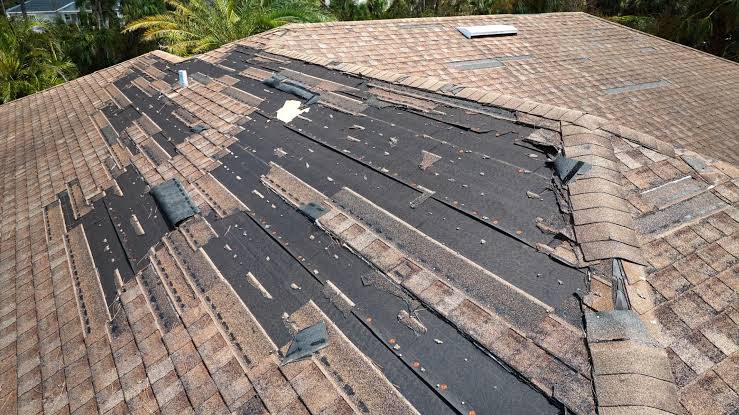
A flat or low-slope roof needs reliable protection because standing water, sunlight, temperature changes, and everyday weather exposure can gradually affect its surface. When the existing roof is still structurally suitable but needs additional protection, Silicone Roof Coating in Philadelphia, PA can be a practical option for helping seal and protect the roofing surface. A professional coating project should begin with a careful evaluation of the roof so drainage problems, cracks, damaged seams, and other underlying concerns can be addressed before the new coating is applied.
Roof coatings can be useful for many residential and commercial properties in Philadelphia, particularly buildings with flat or low-slope roofing systems. However, a coating is not designed to solve every roofing problem. If the existing roof has extensive structural damage or severe deterioration, repair or replacement may be necessary first. Understanding the condition of the roof is an important part of deciding whether a coating system is the right solution.
Understanding Silicone Roof Coatings
A silicone roof coating is a liquid-applied protective system that creates a continuous surface over an existing roof when properly installed.
The purpose of the coating is to help protect the roofing surface from weather exposure and extend the useful life of a roof that remains in suitable condition.
Unlike a complete roof replacement, a coating project may allow an existing roofing system to receive additional protection without removing all of the current materials.
The success of the project depends heavily on preparation. Applying a new coating over dirt, trapped moisture, open seams, damaged areas, or unresolved drainage problems can limit its effectiveness.
For this reason, the roof should be evaluated and prepared before the coating application begins.
Why Flat Roofs Need Special Attention
Flat roofs are not completely flat in most cases. They are generally designed with a slight slope that allows water to move toward drains or other drainage points.
When drainage is not functioning properly, water may remain on sections of the roof for extended periods.
Standing water can place additional stress on the roofing surface and expose weaknesses around seams, penetrations, and damaged areas.
Philadelphia properties with flat or low-slope roofs should be evaluated for drainage concerns before a coating is applied.
A professional roofing assessment can help identify areas where water is collecting and determine whether repairs or drainage improvements are needed before the coating project moves forward.
Murphy Roofing's Philadelphia service information describes roof coating work as including surface preparation, sealing seams and cracks, and checking drainage before applying the protective coating.
Flat Roof Coating in Philadelphia, PA
A professional Flat Roof Coating in Philadelphia, PA can help protect an existing roofing surface when the underlying system is a suitable candidate for coating.
The process should begin with an inspection of the roof.
The roofing surface may need to be cleaned thoroughly to remove dirt, debris, and other materials that could interfere with adhesion.
Cracks and damaged areas may require repair before the main coating is applied. Seams, roof penetrations, flashing transitions, and other vulnerable locations may also need additional preparation.
Once the roof has been properly prepared, the coating can be applied according to the requirements of the selected system.
The goal is to create a continuous protective surface that supports the long-term performance of the existing roof.
When a Roof Coating May Be a Good Option
A coating may be considered when an existing roof is showing signs of surface wear but does not require a complete replacement.
Minor cracking, weather-related wear, aging surfaces, and small areas that need additional protection may be addressed as part of a properly planned coating project.
The existing roof must still be in a condition suitable for restoration.
A roof with extensive structural damage, severe moisture problems, or major deterioration may require more extensive work before a coating can be considered.
This is why a professional inspection is important.
The decision should be based on the actual condition of the roof rather than simply applying a coating because it appears to be a less expensive option.
The Importance of Surface Preparation
Surface preparation is one of the most important parts of any roof coating project.
The roof should be cleaned and evaluated before the coating is applied.
Dirt, loose materials, debris, and other contaminants can affect how well the new coating bonds to the existing surface.
Damaged seams and cracks should also be addressed before the final coating application.
If moisture is trapped beneath the surface, covering the problem without resolving it may leave the underlying concern in place.
A professional preparation process helps create a suitable surface for the coating system and can improve the overall quality of the finished project.
Sealing Seams and Roof Penetrations
Seams and penetrations can be among the most vulnerable areas of a flat roofing system.
Roof penetrations may include vents, pipes, equipment supports, and other components that pass through the roofing surface.
These areas require careful attention because they create transitions where water can potentially enter.
Seams between sections of roofing material can also require preparation before a coating is applied.
Proper sealing helps reduce vulnerabilities and supports the performance of the overall coating system.
A complete project should focus on these details instead of applying the main coating over an unprepared surface.
How Silicone Coatings Help Protect Roofs
A properly selected and installed silicone coating can provide a protective layer over an existing roofing surface.
The coating can help shield the roof from ongoing weather exposure and may help extend the service life of a suitable existing roof.
The exact performance of a coating system can depend on the condition of the original roof, surface preparation, installation quality, maintenance, and the specific coating product used.
A roof coating should therefore be treated as part of a complete roofing solution rather than a simple surface treatment.
Professional evaluation and installation are important for determining whether the system is appropriate for the property.
Reflective Roof Coating Benefits
Some roof coatings are designed with reflective properties that can reduce how much sunlight and heat is absorbed by the roofing surface.
This can be especially useful for flat roofs that receive significant direct sunlight.
A cooler roofing surface may help reduce heat buildup in the building and can support overall energy efficiency depending on the property's design and other factors.
The potential benefits can vary based on insulation, ventilation, roof construction, building use, and local weather conditions.
Property owners should evaluate these factors when considering a coating system.
Murphy Roofing notes that reflective coating options are available for flat roofs and may help reduce summer cooling demands, depending on the property and roofing system.
Silicone Coating or Roof Replacement?
A roof coating and a complete roof replacement serve different purposes.
A coating may be appropriate when the existing roof is generally in suitable condition but needs restoration and additional protection.
A replacement may be necessary when the roofing system has widespread deterioration, major structural concerns, extensive moisture damage, or problems that cannot be resolved through surface preparation and coating.
Repeated leaks should also be carefully evaluated before choosing a coating.
Applying a new coating over an unresolved roofing problem may only hide the issue temporarily.
A professional assessment can help determine whether the existing roof is a good candidate for coating or whether replacement would provide a more reliable long-term solution.
How Philadelphia Weather Affects Flat Roofs
Philadelphia experiences changing weather conditions throughout the year.
Heavy rain can expose weaknesses in seams, flashing, and roof penetrations. Summer heat and direct sunlight can place additional stress on roofing surfaces.
Temperature changes can cause materials to expand and contract over time.
Winter weather may also affect drainage and expose existing weaknesses in the roof.
These conditions make regular inspection important for flat and low-slope roofing systems.
Identifying cracks, drainage problems, damaged seams, and other concerns early can help property owners make better decisions about maintenance and restoration.
Preparing for a Roof Coating Project
Before a roof coating project begins, the existing roof should be carefully evaluated.
The property owner should understand the condition of the current roof and whether any repairs are needed before coating.
Drainage should be checked because coating a roof with unresolved ponding issues may not provide the expected long-term benefits.
The work area may also need to be prepared by removing debris and ensuring access for the roofing team.
Commercial properties may need additional planning to coordinate the project around business operations.
A clear project plan can help property owners understand the scope of the work and what preparation is required.
Maintaining a Coated Roof
A coated roof should still receive regular attention after the project is completed.
Drainage areas should be kept clear so water can move properly across the roof.
Excessive debris should also be removed because trapped moisture can affect the roofing surface over time.
After severe weather, property owners should look for visible changes or damage from a safe location.
Regular inspections can help identify concerns before they become more extensive.
If new cracks, damaged areas, or drainage problems develop, addressing them promptly can help maintain the protective performance of the roofing system.
Why Professional Evaluation Matters
Not every flat roof is a suitable candidate for a coating.
A professional evaluation can help determine the condition of the existing roof and identify concerns that need to be addressed first.
The inspection may include checking the roofing surface, seams, drainage, penetrations, flashing, and signs of moisture-related damage.
This information can help determine whether a coating is appropriate and what preparation is necessary.
A careful assessment can also help avoid applying a new coating over hidden problems that require repair or replacement.
Long-Term Value of a Roof Coating
When a roof is a suitable candidate, a professionally installed coating can provide a practical way to extend its service life.
The value of the project depends on proper preparation, suitable materials, quality installation, and continued maintenance.
A coating should not be viewed as a universal solution for every aging roof.
Instead, it should be selected after understanding the current condition of the roofing system and the property's specific needs.
For some property owners, restoration through coating may provide a cost-effective alternative to immediate replacement.
For others, a complete roofing project may be the better choice.
Final Thoughts
A flat roof needs consistent protection against rain, sunlight, temperature changes, and other weather conditions.
For property owners considering Silicone Roof Coating in Philadelphia, PA, the first step should be understanding whether the existing roof is structurally suitable for restoration.
Proper surface preparation, seam sealing, crack repair, and drainage evaluation can all play important roles in the success of a coating project.
A professional Flat Roof Coating in Philadelphia, PA can help protect and restore an existing roofing system when the roof is an appropriate candidate.
By addressing underlying problems before applying the coating and maintaining the roof after the project is complete, property owners can make more informed decisions about extending the performance and protection of their flat roofing systems.