When a Burst Pipe Hits: Swift Actions That Protect Your Home and Wallet
-

- Published Updated
- 13 views
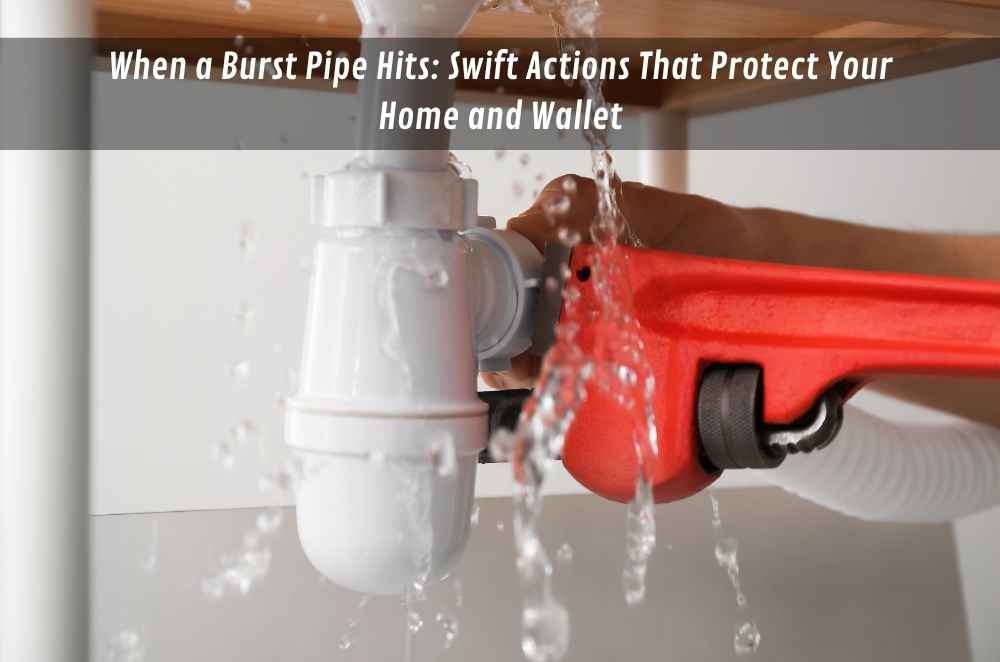
A small hissing sound behind a wall can escalate to soaked carpets and ruined plasterboard in minutes. In a city of older terraces mixed with brand-new developments like Sydney, pipe failures move fast and rarely respect office hours. Knowing what to do in the first ten minutes buys precious time before professionals arrive, keeps repair costs contained, and helps insurers process claims without fuss.
First Signs You’re Dealing With More Than a Minor Leak
Early indicators often masquerade as everyday quirks: a mysteriously low water pressure in the shower, faint bubbling noises near skirting boards, or that patch of paint that never seems to dry. Homeowners who spot these clues quickly can arrange help from emergency pipe repair crews before ceilings buckle or floorboards warp. Acting on hints rather than waiting for a dramatic gush drastically reduces damage.
What You Can Do in the First Ten Minutes
Every property has a unique layout, yet the immediate checklist tends to look similar.
Shut off the mains: Most Sydney homes have a stopcock just outside the building line. Turn it clockwise until it stops.
Open cold taps: This drains residual water, relieving pressure on the damaged line.
Kill electricity near the leak: If water is travelling toward sockets, flip the relevant circuit breaker.
Move furniture and soft furnishings: Timber, fabric, and electrical items absorb moisture fast; shifting them early prevents secondary loss.
Photograph the scene: Insurers appreciate timestamped images that demonstrate prompt action.
By handling these steps calmly, you set the stage for a smoother professional repair and a cleaner claims trail.
Why Pipes Fail Suddenly in Sydney Homes
Sydney’s diverse housing stock means pipework ages at wildly different rates. Copper installed in 1960s bungalows can thin from internal corrosion. Plastic lines added during 1990s renovations may become brittle under constant UV exposure in roof cavities. Even brand-new apartments are not immune; rapid temperature swings during a late-spring heatwave can stress joints, while construction debris lodged during building works may weaken connections months later.
Water pressure is another culprit. Some suburbs receive pressure well above 500 kPa—fine for a satisfying morning shower but rough on older seals. Add in localised ground movement from heavy rain or nearby excavation, and even a well-maintained system can give way without much warning.
Professional Help: What Actually Happens After the Call-Out
Licensed plumbers arrive with specialised equipment you won’t find at a standard hardware store: pipe freezing machines that allow section-by-section repairs without draining entire lines, electronic leak detectors for pinpoint accuracy, and pipe cameras to check for deeper structural issues. They also carry fittings to suit multiple pipe materials—handy in extensions where poly, copper, and galvanised steel might collide in a single run.
Many teams will also pressure-test adjacent sections before leaving. That extra half-hour of verification ensures a hidden weakness doesn’t burst two days later, sparing you a repeat emergency. For those curious about techniques and gear, Apex Plumbing Services posts detailed breakdowns on their blog, including this practical guide on detecting water leaks before they escalate.
Long-Term Moves That Save Money and Headaches
Preventive works seldom draw the same excitement as a new kitchen fit-out, yet they offer a high return on peace of mind.
Annual inspection: A low-cost yearly check catches early corrosion and loose fittings.
Pressure reduction valves: Installing one can extend the lifespan of mixers, washers, and flexible hoses.
Insulation in roof spaces and under sub-floors: This mitigates condensation and temperature shock.
Replace ageing flexi-hoses proactively: Trade suppliers stock stainless-steel braided versions rated for ten years.
Sydney Water’s public resources on managing household leaks provide additional DIY pointers and outline rebate programs for approved water-saving devices.
Leave Nothing to Chance
Burst pipes rarely offer a gentle warning, yet a measured response—swift shutdown, clear documentation, and prompt professional intervention—keeps the fallout manageable. Regular maintenance closes the loop, turning a potential crisis into a footnote on your annual home-care checklist.
Do insurers cover every burst-pipe scenario?
Policies vary. Most cover sudden, accidental damage but scrutinise negligence. Regular inspections and prompt action bolster your claim.
How fast should a plumber arrive in an emergency?
In metropolitan Sydney, reputable 24/7 services aim for arrival within one to two hours, traffic permitting.
Can I attempt a temporary repair with tape?
Waterproof repair tape offers a brief reprieve on low-pressure lines. It’s a stopgap, not a fix—call a licensed plumber the same day.
Will copper pipes outlast plastic replacements?
Copper withstands UV and heat better, while modern PEX plastic resists corrosion. Lifespan depends on installation quality and local water chemistry rather than material alone.