Summer in Singapore: Culture, Cuisine, and Climate Essentials
-
- February 23rd, 2026
- 1,623 views
Singapore in Summer brings warm, humid weather alongside a vibrant calendar of cultural experiences and rich cuisine. Visitors can expect frequent short thunderstorms, high humidity, and consistent temperatures, while cities and neighborhoods offer air-conditioned relief, cultural sites, and a world-famous street-food scene.
- Climate: Hot and humid with sudden heavy showers and occasional haze.
- Culture: Multicultural neighborhoods, festivals, and museums year-round.
- Cuisine: Hawker centres feature diverse, affordable food; UNESCO-recognised hawker culture.
- Practical tips: Stay hydrated, carry an umbrella, and plan indoor/outdoor mixes.
Singapore in Summer: Climate and what to expect
Summertime in Singapore typically means daytime temperatures around 30–32°C (86–89°F) with high humidity often above 70%. Heat and humidity are persistent because Singapore lies near the equator. Afternoon and early evening thunderstorms are common and can be intense but short-lived. The island also experiences seasonal variations such as the Southwest Monsoon (June to September) and periodic transboundary haze from regional fires.
Official climate data and advisories are issued by the Meteorological Service of Singapore and the National Environment Agency; check local advisories for haze and rainfall forecasts for planning outdoor activities. For detailed official climate information, refer to the Meteorological Service of Singapore: Meteorological Service Singapore.
Culture and festivals to experience
Multicultural neighbourhoods
Singapore’s cultural landscape reflects Malay, Chinese, Indian, and European influences. Neighborhoods such as Chinatown, Little India, and Kampong Glam present distinct architecture, markets, and heritage trails ideal for daytime exploration when humidity is lower in the morning or late afternoon.
Museums, arts and heritage
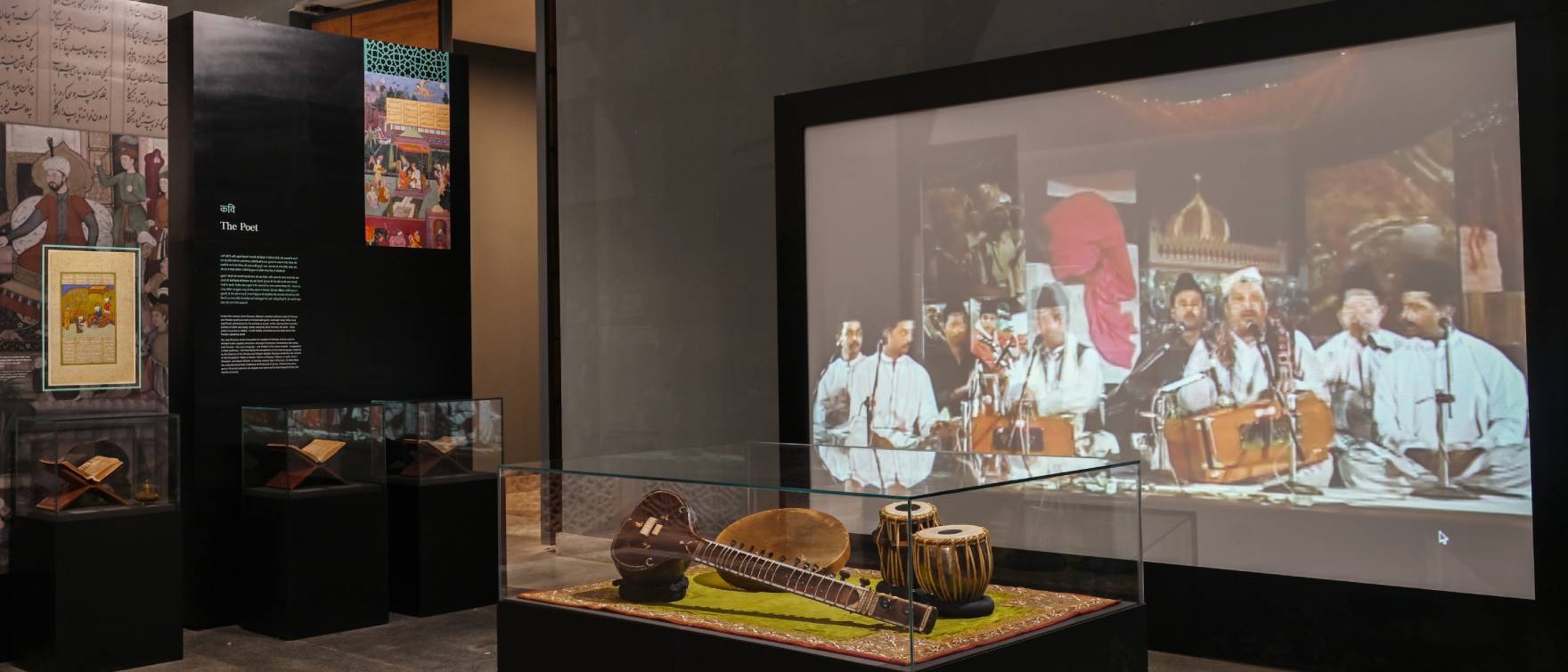
Air-conditioned museums and galleries provide comfortable options on rainy or very hot days. National and independent cultural institutions host rotating exhibitions, heritage displays, and festivals that showcase local history, contemporary art, and performance arts.
Cuisine: Hawker centres, specialties, and dining tips
Hawker centres and culinary diversity
Hawker centres are central to Singapore’s food culture, offering affordable plates that span Chinese, Malay, Indian, Peranakan, and fusion cuisines. The social and culinary value of hawker culture has international recognition, and many centres remain popular year-round.
Popular dishes to try
Must-try items include rice-and-noodle dishes, local seafood preparations, tropical fruits such as durian or mangosteen, and snacks from street vendors. Plan to visit hawker centres during off-peak hours to avoid long queues and to enjoy shaded seating.
Outdoor activities, attractions, and cooling strategies
Parks, waterfronts, and island getaways
Outdoor attractions such as city waterfronts, botanical gardens, and nearby island beaches are accessible during summer but are best visited early morning or late afternoon. Shade, light clothing, and sun protection are recommended.
Cooling strategies for a comfortable visit
Combine outdoor activities with indoor stops in museums, shopping centres, or transit hubs that are air-conditioned. Carry a compact umbrella for sudden storms and consider a small, refillable water bottle to stay hydrated. Lightweight, breathable clothing and comfortable footwear make walking tours more pleasant.
Practical travel tips and health considerations
Transport and accessibility
Singapore’s public transport system is extensive and air-conditioned, offering efficient connections between neighborhoods and attractions. Taxis and ride-hailing services provide a convenient way to move during wet or very hot spells.
Health and safety reminders
Because humidity and heat can cause dehydration and fatigue, prioritize hydration and rest. For haze episodes, follow local advisories and consider masks or limiting outdoor exertion. Adhere to official guidance from health or environmental agencies when conditions change.
Budget and timing considerations
Cost factors in summer
High season and festival weeks can affect accommodation and event prices. Booking in advance and comparing options for indoor attractions can help balance comfort and budget.
Best rhythms for sightseeing
Plan outdoor sightseeing for mornings and evenings, reserve midday hours for culinary exploration or indoor cultural visits, and check festival calendars to align travel with cultural events or avoid crowds.
Final notes for visitors
Visiting Singapore in summer offers a mix of tropical climate, multicultural experiences, and renowned cuisine. With simple precautions—staying hydrated, timing outdoor activities around showers, and using the city’s air-conditioned spaces—travelers can enjoy a rich itinerary of food, culture, and urban nature.
Frequently Asked Questions
What is the weather like in Singapore in Summer?
Summertime features high humidity and warm temperatures generally between 30–32°C (86–89°F), frequent short thunderstorms, and occasional haze. Check local forecasts for daily conditions.
Is Singapore in Summer a good time for outdoor activities?
Yes, but plan outdoor activities for mornings or late afternoons to avoid peak heat. Expect sudden showers; carry an umbrella and include indoor options in daily plans.
How should visitors prepare culturally and for dining during Singapore in Summer?
Bring lightweight clothing, comfortable shoes, and a reusable water bottle. Explore hawker centres during off-peak hours for varied cuisine and less queueing. Museums and cultural centres offer comfortable breaks from the heat.
Are there health advisories to consider in summer?
Monitor local advisories from environmental and health authorities for haze or extreme weather. Take standard precautions against heat-related discomfort: hydrate, rest, and avoid prolonged midday exposure.
Where can official climate and weather guidance be found?
Official updates are provided by national weather and environmental agencies, including the Meteorological Service of Singapore and the National Environment Agency. Check their guidance for weather, haze, and public advisories.