SJR Vivo City Nelamangala Bangalore: A Practical Guide to Nature-Inspired Living
-

- April 07th, 2026
- 319 views

Get a free topical map and start building content authority today.
SJR Vivo City Nelamangala Bangalore: Overview and quick facts
This guide explains SJR Vivo City Nelamangala Bangalore with clear, practical details for homebuyers and investors considering nature-inspired apartments near Bangalore. It covers site context, design intentions, typical floor plans, pricing factors, a named checklist to evaluate the project, and realistic trade-offs to expect.
Project type: Residential township-style development. Location: Nelamangala (northwest Bangalore). Target buyers: families and professionals seeking greener, lower-density living near city outskirts. Key considerations: commute, RERA registration, passive design features, and maintenance charges.
Detected intent: Commercial Investigation
Location, developer background, and regulatory checks
Where is Nelamangala and why it matters
Nelamangala sits on Bangalore’s northwest corridor and is part of the expanding peri-urban ring. Proximity to industrial clusters, highway access and comparatively lower land prices are the primary location benefits. For transit, check arterial roads and bus/metro plans when estimating daily commute impact.
Developer and legal checks
Verify developer credentials and project approvals: RERA registration, approved layout by local authorities (BDA or taluk office), and clear title. Official project registration details and complaint procedures are available from the Karnataka Real Estate Regulatory Authority — consult the RERA portal for registration status before booking: rera.karnataka.gov.in.
Design, amenities, and sustainability features
Nature-inspired design elements
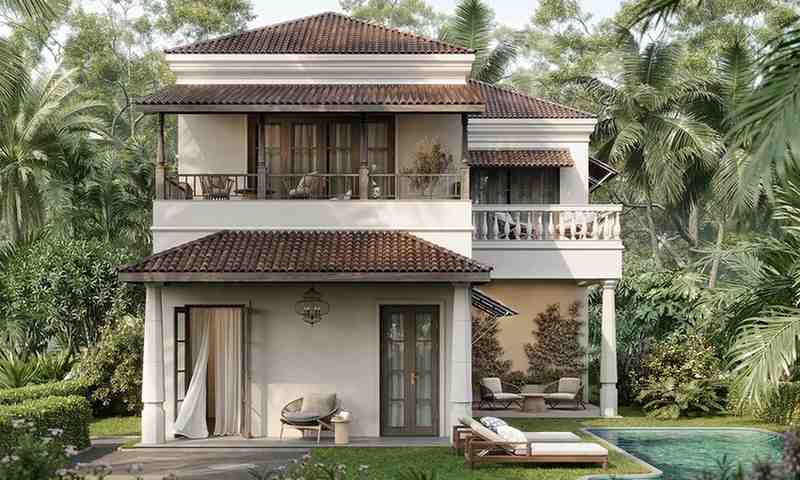
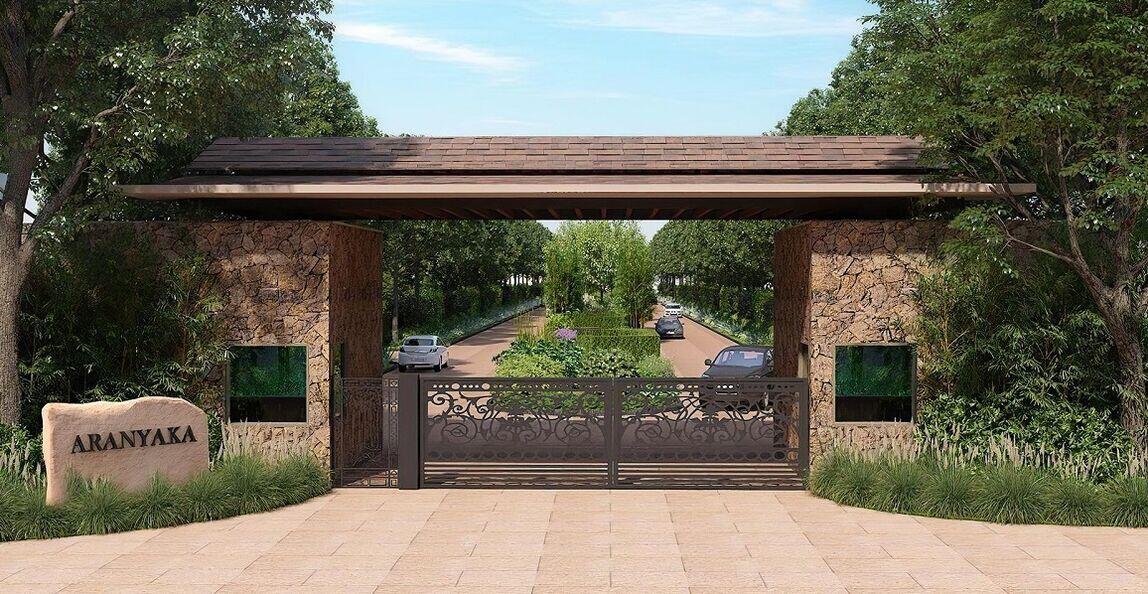
Expect landscaping, pocket gardens, shaded walkways and water-management features such as rainwater harvesting and onsite recharge pits. Passive design strategies—orientation for cross ventilation, shading devices, and tree-lined streets—reduce cooling requirements and improve comfort in warm months.
Amenities and common facilities
Amenities typically include a community clubhouse, children’s play areas, jogging tracks, multipurpose courts, and basic indoor facilities. Check whether amenity upkeep is included or charged separately, and compare actual usable open space per apartment rather than headline acreage.
Layouts, pricing factors, and financing basics
Typical unit types and floor plans
Developments of this scale usually offer 1–3 BHK options. Confirm carpet area, balcony count, and modular kitchen provision. Request sample floor plans and compare carpet-to-built-up ratios to estimate usable living area.
Pricing drivers and expected costs
Price depends on land cost, floor level, view (garden vs. road), and inclusion of fittings. Factor in stamp duty, registration, GST if applicable, and ongoing maintenance. For loan approval, lenders look at developer track record, project approvals, and buyer credit profile.
GARDEN checklist: a named framework to evaluate this project
Use the GARDEN checklist to assess nature-inspired residential projects quickly:
- Green area ratio — percentage of open/landscaped space vs. built footprint.
- Accessibility — distance to highways, public transport, schools and hospitals.
- Resilience measures — rainwater harvesting, stormwater management, and backup power.
- Design efficiency — carpet area, orientation for ventilation, and daylight.
- Extra costs — maintenance, club membership, and special levies.
- Neighborhood services — grocery delivery, last-mile connectivity, and local governance.
Practical evaluation: step-by-step buying checklist
Immediate actions before booking
- Confirm RERA registration and approved plan documents; verify builder’s project timeline.
- Visit the site at different times of day to assess traffic, noise and microclimate.
- Request a breakdown of maintenance charges and long-term sinking fund policy.
- Compare sample flats for functional layout and true usable area (carpet).
Real-world example: a family choosing a 2BHK
Scenario: A two-child family moving to Bangalore wants quieter, greener surroundings and a manageable commute to industrial areas near Nelamangala. Using the GARDEN checklist, the family prioritizes a 2BHK with cross ventilation, proximity to a reputed school (within 10–15 km), and a lower maintenance charge. After comparing carpet areas and maintenance estimates across two similar projects, the family selects the apartment with larger net usable space and an active resident group managing common areas.
Practical tips for buyers
- Ask for carpet area figures in writing and base comparisons on carpet area, not super built-up area.
- Factor commuting time to work and schools into total monthly costs—time is a recurring cost.
- Inspect sample apartments for ventilation and sunlight; a small orientation change can affect comfort and cooling bills.
- Clarify what constitutes “green space”—quantity and maintenance plan, not just ornamental planting.
Trade-offs and common mistakes
Common mistakes buyers make
- Overvaluing project brochures without verifying approvals and RERA documents.
- Ignoring long-term maintenance costs and assuming low charges will remain fixed.
- Choosing a unit solely for a view and ignoring functional layout or usable carpet area.
Trade-offs to weigh
Nature-inspired, lower-density projects offer open space and lower heat retention but are often farther from central business districts. This reduces property density and sometimes public transport frequency; weigh the value of green space against increased commute time and petrol/public-transport costs.
Core cluster questions (for related articles or internal links)
- How to compare carpet area vs built-up area for Bangalore apartments?
- What approvals should a buyer verify for a new residential project in Karnataka?
- How do rainwater harvesting and recharge pits affect long-term site water security?
- Which commuting factors matter most when buying on Bangalore’s outskirts?
- How to estimate realistic maintenance costs for a low-density township project?
Buying timeline and negotiation guidance
Typical steps: document verification → booking with token → agreement for sale → payment milestone schedule → possession and handover. Negotiate payment milestones tied to construction progress and request a penalty clause for delayed handover. Confirm the process for defect rectification after possession.
Closing thoughts
SJR Vivo City Nelamangala Bangalore and similar projects are best evaluated on objective measures: approvals, carpet area, maintenance regime, and genuine green-space delivery. Use the GARDEN checklist and practical tips above to compare offerings and make an informed decision that balances lifestyle preferences with everyday costs.
What is SJR Vivo City Nelamangala Bangalore?
Answer: SJR Vivo City Nelamangala Bangalore is a residential development located in Nelamangala that emphasizes landscaped, low-density living with standard resident amenities. Verify RERA registration and detailed floor plans before committing.
How much do nature-inspired apartments in Nelamangala typically cost?
Answer: Prices vary by carpet area, floor, and apartment orientation. Expect lower base land cost than central Bangalore but include transport costs and long-term maintenance in total ownership calculations.
What should be checked in SJR Vivo City floor plans and amenities?
Answer: Check carpet area, ventilation, number of balconies, dedicated parking, and whether common amenities are owned or managed by a third party. Confirm exact amenity list in the sale agreement.
Are green features like rainwater harvesting and landscaping guaranteed?
Answer: Such features are typically promised in project literature but must be verified in the approved plan and scope-of-work. Ensure implementation milestones and maintenance responsibility are documented in the builder agreement.
Is SJR Vivo City Nelamangala Bangalore a good investment?
Answer: Investment suitability depends on time horizon and personal use. Projects on the peri-urban fringe can appreciate as infrastructure improves, but assess commute, developer track record, and maintenance liabilities before deciding.