Skin Booster Injections in Dubai — Safety Guide, Regulations, and Patient Precautions
-

- March 10th, 2026
- 1,650 views
Skin Booster Injections in Dubai are a popular cosmetic treatment for improving skin hydration and texture. This article summarizes the types of products used, regulatory oversight, common risks, clinic standards, and practical steps patients can take when considering the procedure.
- Skin booster injections typically use hyaluronic acid or similar biocompatible substances to improve skin hydration.
- Regulation in Dubai is overseen by bodies such as the Dubai Health Authority and UAE Ministry of Health and Prevention.
- Common side effects include temporary swelling, redness, and bruising; serious complications are uncommon when performed by qualified clinicians.
- Choosing a licensed clinic and trained injector, and following aftercare guidance, reduces risk.
Safety of Skin Booster Injections in Dubai
Regulatory oversight and clinic standards influence the safety of Skin Booster Injections in Dubai. Providers operating under local health authorities are generally required to meet facility, licensing, and reporting standards intended to reduce infection and procedural risks. Dubai Health Authority (DHA) and the UAE Ministry of Health and Prevention (MOHAP) set professional licensing requirements and inspection procedures applicable to clinics and practitioners.
What are skin booster injections?
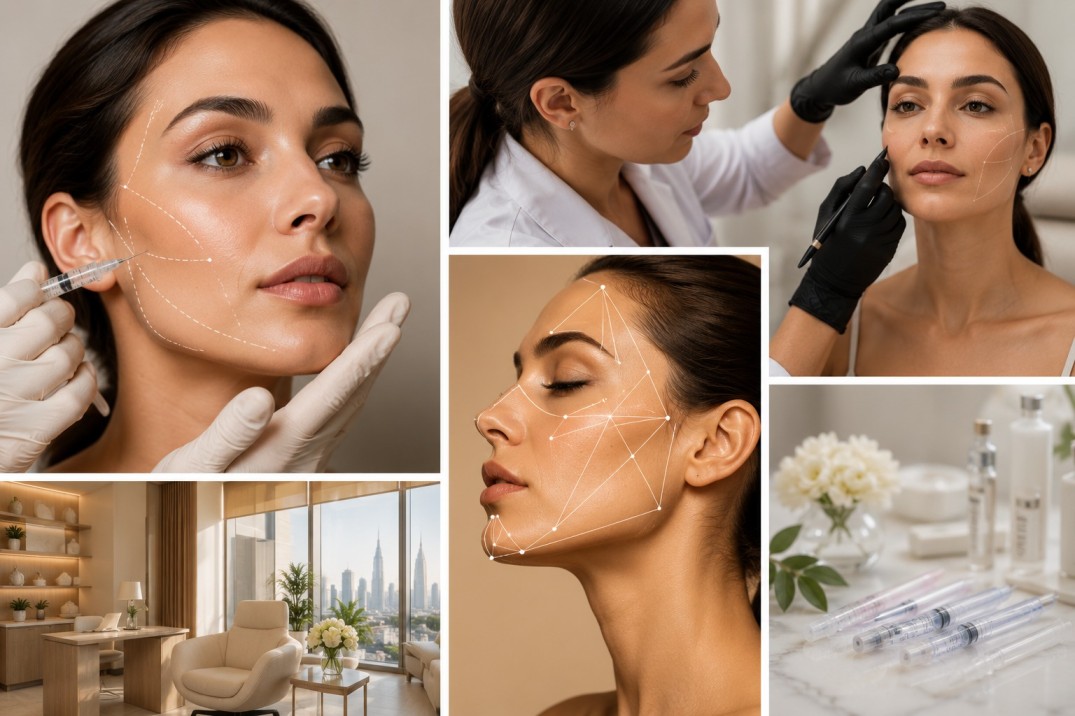
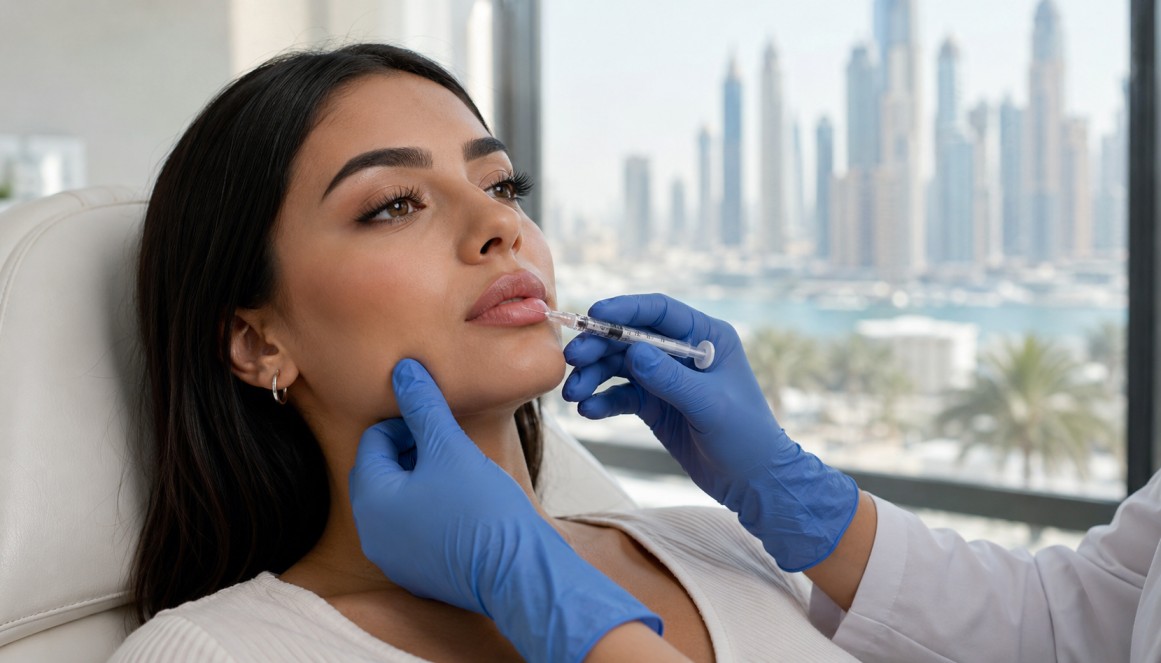
Skin boosters are minimally invasive treatments that typically use stabilized hyaluronic acid or other injectable substances to improve skin hydration, elasticity, and surface texture. They differ from traditional dermal fillers in concentration and intended depth of injection; skin boosters are often injected more superficially across multiple microinjections to treat large areas such as the cheeks, neck, or hands.
How they work and common products
Mechanism
Injectable substances used as skin boosters attract and retain water in the dermis, which can temporarily increase skin turgor and reduce the appearance of fine lines. The degree and duration of effect vary by product formulation, injection technique, and individual patient factors.
Product characteristics
Products are typically marketed as biocompatible and may carry regulatory approvals or conformity marks in various jurisdictions. Regulatory status may differ by country; in the UAE, expected standards include device registration and practitioner training records.
Regulation and clinic standards in Dubai
Licensed healthcare authorities regulate clinics, facilities, and practitioners. The Dubai Health Authority provides licensure for clinics and credentials for healthcare professionals, while MOHAP oversees federal standards. These organizations publish practice guidelines for cosmetic procedures, infection control, and reporting adverse events. For official guidance and facility verification, refer to the Dubai Health Authority website: Dubai Health Authority (DHA).
Risks and common side effects
Typical, short-term effects
Temporary redness, swelling, bruising, and mild tenderness at injection sites are common and often resolve within days to a couple of weeks. Minor lumps or unevenness can occur and may settle or be managed by follow-up care.
Less common and serious complications
Less common risks include infection, allergic reaction, delayed nodules, and vascular complications if injections inadvertently enter or compress blood vessels. Serious outcomes are uncommon when procedures are performed by properly trained medical professionals using sterile technique, but prompt recognition and management are important.
Choosing a clinic and injector
Credentials and facility standards
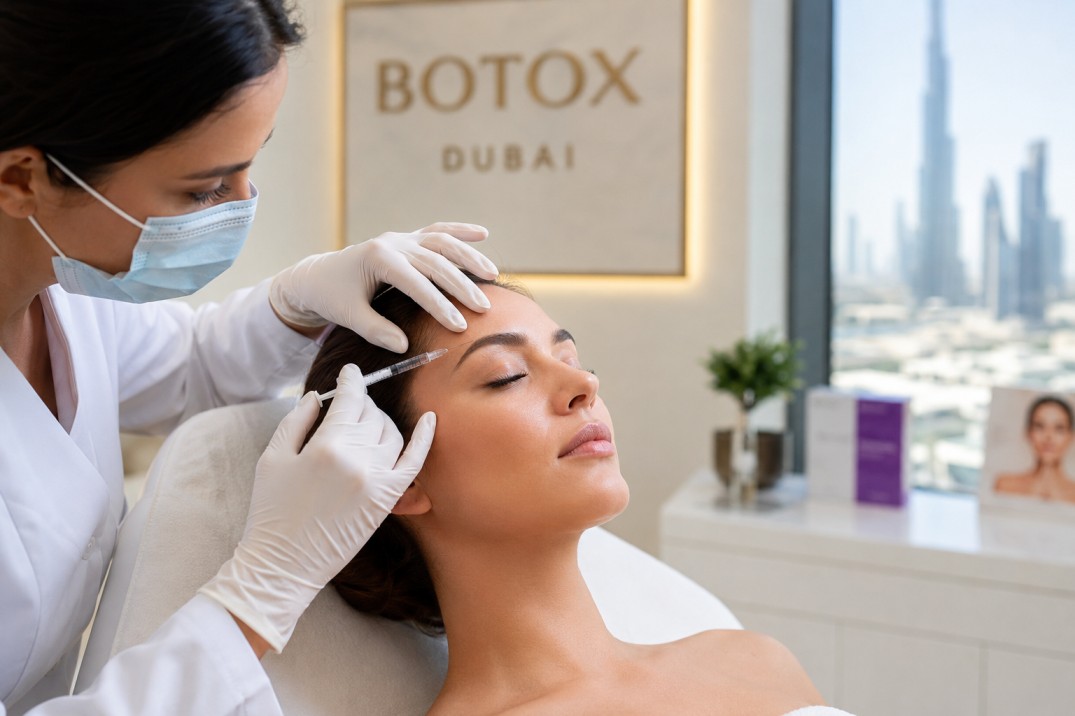
Select clinics licensed by local authorities and confirm practitioner qualifications and scope of practice. In Dubai, physicians and aesthetic practitioners are typically required to hold DHA or MOHAP credentials appropriate to their specialty. Ask about the clinic's infection-control policies, emergency protocols, and where the procedure will be performed (medical setting versus non-medical environment).
Product information and consent
Patients should receive clear information about the product being used, expected outcomes, potential side effects, and alternative options. Written informed consent and documentation of batch numbers for injectable products support safety and traceability.
Preparation, technique, and aftercare
Pre-procedure considerations
A pre-treatment assessment usually includes medical history, medication review (including blood thinners and certain supplements), and discussion of expectations. Screening helps identify conditions that may increase risks, such as active skin infection or certain autoimmune conditions.
Aftercare and follow-up
Standard aftercare instructions often include avoiding vigorous exercise and heat exposure for a short period, following wound and hygiene guidance, and attending any scheduled follow-up to monitor outcomes. Providers typically advise how to recognize signs that require urgent attention, such as severe pain, progressive swelling, or impaired vision.
Evidence and professional guidance
Peer-reviewed dermatology and aesthetic medicine literature report varied outcomes depending on product and technique. Systematic reviews and clinical studies provide data on efficacy and safety profiles for different formulations. Professional organizations—such as national dermatology associations and international bodies—publish practice recommendations on cosmetic injections and adverse event management. The World Health Organization and national health regulators also provide general frameworks for medical device and procedural safety.
Legal and reporting framework
In Dubai and the UAE, adverse events and complaints can be reported to the relevant health authority. Facilities are subject to inspection and regulatory action in response to safety breaches. For accurate and current rules, consult official regulatory sources and facility licensing information.
Final considerations
When performed in licensed settings by trained practitioners, skin booster injections can have favorable safety profiles for many patients. Assessment of risks, transparent product information, appropriate technique, and prompt management of complications are central to safer outcomes. Verification of clinic licensing and practitioner credentials is a practical step to reduce risk.
Frequently asked questions
Are Skin Booster Injections in Dubai safe?
Safety depends on clinic licensing, practitioner qualifications, product quality, and adherence to sterile technique and aftercare. Licensed clinics operating under local health authority regulation generally follow standards designed to reduce common risks.
What are common side effects of skin booster injections?
Common side effects include temporary redness, swelling, bruising, and tenderness at injection sites. These typically resolve within days to two weeks.
How to verify a clinic or practitioner's credentials in Dubai?
Check licensure and registration with local health authorities, ask to see practitioner credentials, and confirm the clinic's adherence to infection-control and emergency protocols. The Dubai Health Authority maintains information on licensed facilities and practitioners.
What should be done if complications occur after treatment?
If unexpected or severe symptoms arise—such as escalating pain, progressive swelling, skin changes, or visual disturbances—seek medical attention promptly. Facilities should provide guidance on urgent care and reporting mechanisms.