Skin Whitening Injections: What Works, What’s Risky, and Safer Alternatives for Brighter Skin
-

- March 06th, 2026
- 484 views
Skin whitening injections are a widely searched treatment option for people seeking a lighter or more even complexion. This guide explains what those injections typically contain, how effective they are, and the documented safety concerns so readers can make informed decisions. Detected intent: Informational
- Skin whitening injections may alter pigment by affecting melanin production, but clinical evidence is limited and mixed.
- Common ingredients include glutathione, vitamin C, and other antioxidants; each has different risk profiles.
- Reported risks include allergic reactions, liver stress, mercury exposure (in unregulated products), and paradoxical hyperpigmentation.
- Safer approaches focus on regulated topical agents, sun protection, and treating specific pigment disorders under a dermatology plan.
Understanding skin whitening injections: effectiveness and science
"Skin whitening injections" refers to injectable products marketed to reduce pigmentation or lighten overall skin tone. Typical agents discussed in research and clinics include glutathione injections, high-dose vitamin C, and mixtures of antioxidants. The proposed mechanism varies: some compounds act as antioxidants that can indirectly affect melanin synthesis, others may inhibit tyrosinase (an enzyme important in melanin production), and some have proposed immunomodulatory effects. Evidence for sustained, predictable lightening from injections is limited—most robust dermatology guidelines still prioritize topical, laser, and procedural approaches for specific indications.
How these injections are marketed and what the science says
Marketing often simplifies complex biology. Controlled studies for many injected whitening agents are small or preliminary. Glutathione, the most-cited injectable, has shown short-term decreases in skin pigmentation in some trials but lacks consistent long-term safety data and standardized dosing. Professional organizations such as the American Academy of Dermatology emphasize evidence-based treatments for hyperpigmentation disorders rather than general skin lightening.
Potential risks and safety considerations
Risks can be medical and regulatory. Injectable products vary by formulation and source; unregulated supply chains increase the chance of contaminants, adulterants, or incorrect dosing. Reported safety issues include allergic or infusion reactions, liver enzyme changes, and, with some unregulated products, mercury poisoning. Regulatory bodies like the U.S. Food and Drug Administration provide warnings about unapproved skin-bleaching products and emphasize checking product provenance and clinical supervision (FDA guidance on skin-bleaching products). Mention of the World Health Organization or national dermatology societies helps place safety guidance in context but does not substitute for a clinician consultation.
Melanin suppression risks
Attempting to suppress melanin carries trade-offs. Excess suppression may cause uneven results, fragility to sun exposure, and susceptibility to rebound hyperpigmentation. Long-term systemic suppression of pigment pathways is not well-studied and may carry metabolic implications.
Alternatives to injections and practical options
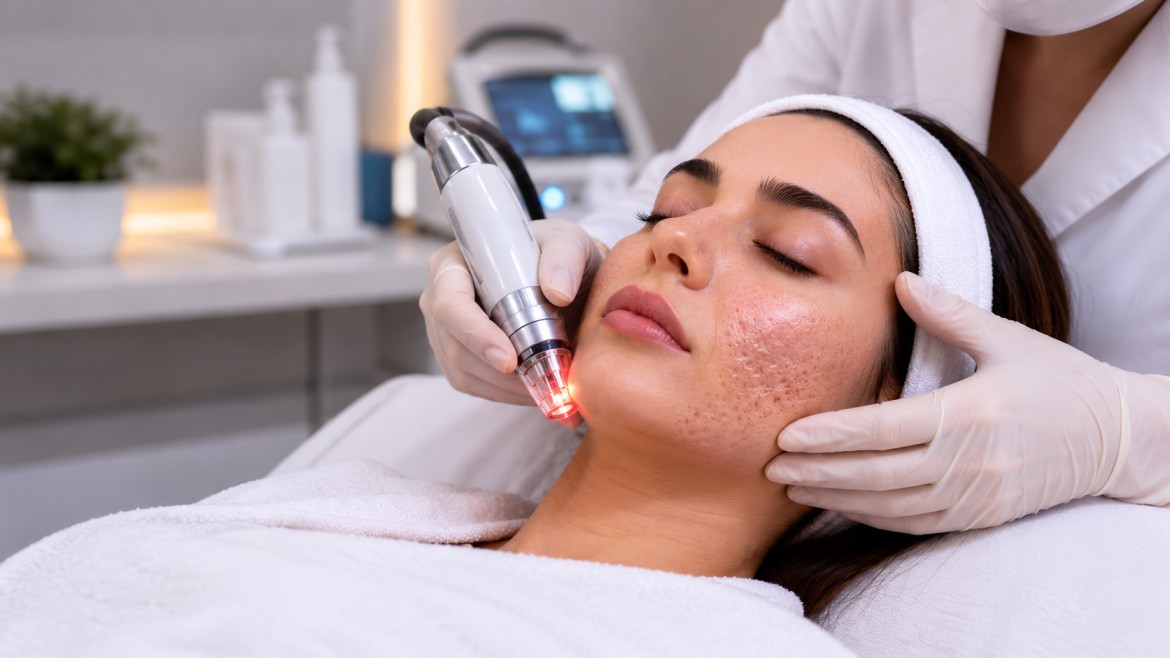
For many concerns marketed as reasons for injections—dark spots, melasma, or uneven tone—established options exist: topical hydroquinone (regulated in many countries), topical retinoids, azelaic acid, chemical peels, laser and light therapies, and strict photoprotection. These are often safer when administered by a credentialed dermatologist and tailored to the diagnosis. Consider these "skin lightening alternatives" when safety and predictable results are priorities.
SAFER checklist for evaluating a pigment treatment
Use the SAFER checklist before consenting to an injectable pigment treatment:
- Safety record: Is there peer-reviewed evidence on side effects and long-term outcomes?
- Accreditation: Is the provider licensed (dermatologist, plastic surgeon) and working in a regulated clinic?
- Formulation transparency: Is the product labeled with ingredients, batch numbers, and provenance?
- Evidence of effectiveness: Are there clinical trials or professional society statements supporting use?
- Regulation: Is the product approved or cleared by national regulators, and are import rules followed?
Common mistakes and trade-offs when considering injections
Common mistakes include assuming all products labeled for whitening are equivalent, trusting unverified online sources, and underestimating the role of sun exposure in reversing results. Trade-offs often involve short-term gains versus long-term safety: more aggressive interventions can produce faster changes but raise risks of adverse events and uneven pigmentation.
Practical tips before pursuing treatment
- Consult a board-certified dermatologist to confirm the diagnosis (melasma, post-inflammatory hyperpigmentation, vitiligo, etc.).
- Request written ingredient lists, lot numbers, and product data; avoid treatments without transparent sourcing.
- Ask for lab monitoring plans if systemic injections are used (baseline liver tests, follow-up checks).
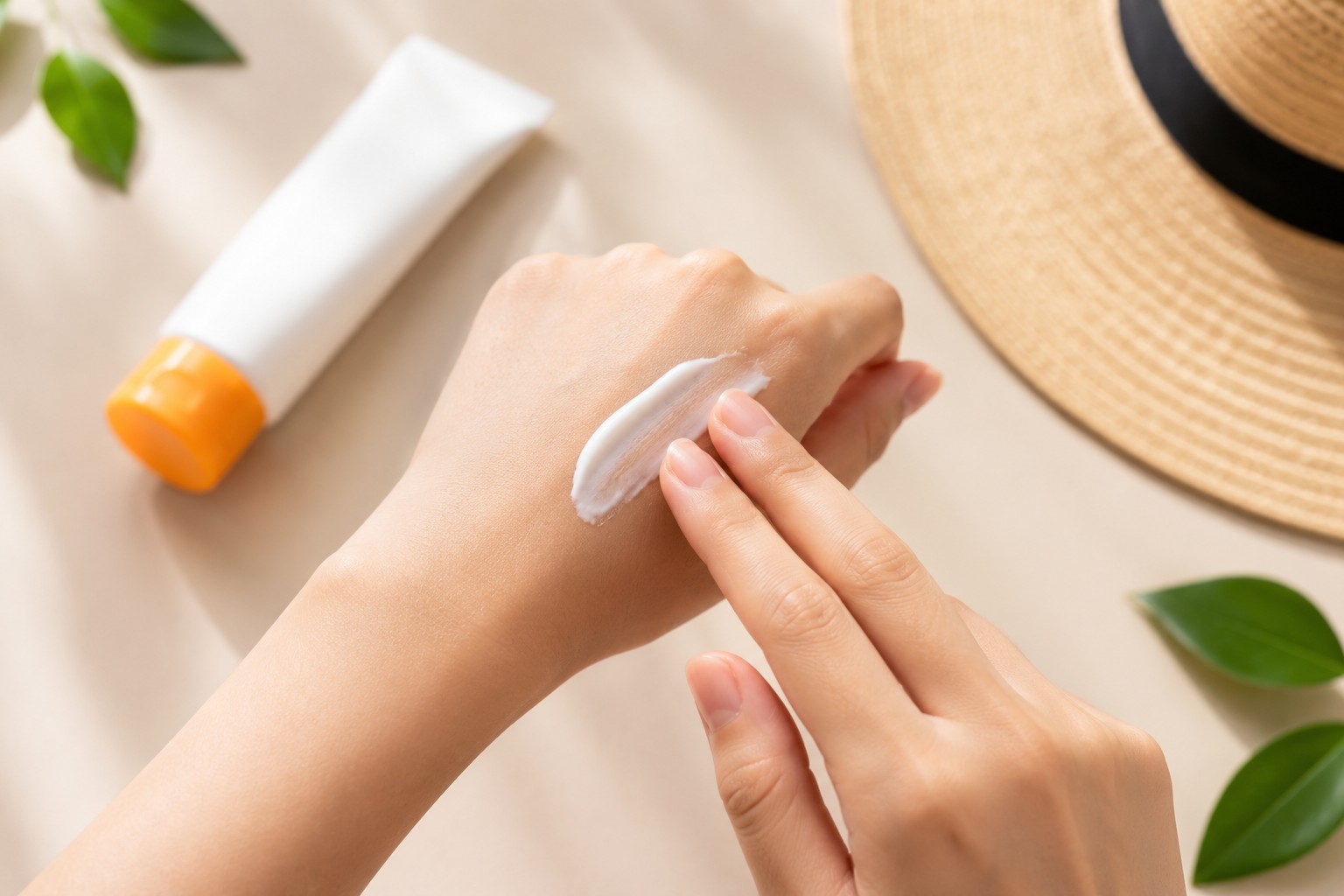
- Prioritize sun protection (broad-spectrum SPF 30+, physical blockers, hats) which is essential for any pigment management plan.
Real-world example: a common scenario
A 34-year-old with melasma seeks a faster fix than topical creams. After dermatologist evaluation, the plan focuses on a combination of topical hydroquinone and tretinoin, monthly superficial chemical peels, and strict photoprotection. The dermatologist discusses why systemic injections are not recommended given incomplete evidence and potential risks. Over 4–6 months, pigmentation improves with close monitoring and minimal adverse effects. This illustrates the value of diagnosis-driven treatment rather than cosmetic quick fixes.
Core cluster questions
- Do skin whitening injections permanently change skin tone?
- What ingredients are commonly used in whitening injections and how do they work?
- What are safer medical alternatives for treating melasma or dark spots?
- How should someone verify the safety and source of injectable cosmetic products?
- What follow-up care and monitoring should be in place after pigment-modifying injections?
FAQ: Are skin whitening injections effective?
Effectiveness varies by ingredient and individual. Some small studies report short-term improvements, particularly with injectable glutathione, but evidence is inconsistent and long-term safety data are limited. A clinician-led, diagnosis-based treatment plan is usually more reliable.
FAQ: Are glutathione injections safe?
Glutathione is discussed widely, but high-dose or repeated systemic use lacks robust long-term safety studies. Potential issues include allergic reactions or unexpected metabolic effects; monitoring and medical supervision are important.
FAQ: What are the main risks of skin whitening injections?
Risks include allergic or infusion reactions, liver enzyme changes, contamination with harmful substances in unregulated products (e.g., mercury), and uneven or rebound pigmentation. Regulatory guidance advises caution and clinician oversight.
FAQ: How to find safe alternatives for lighter, more even skin?
Safer alternatives commonly used by dermatologists include topical agents (hydroquinone where regulated, azelaic acid, retinoids), procedural options (chemical peels, lasers), and strict sun protection. Treatment choice should match the underlying diagnosis such as melasma or post-inflammatory hyperpigmentation.
FAQ: What should be checked before receiving an injection?
Verify provider credentials, ask for ingredient lists and batch information, request baseline lab tests if systemic agents are used, and confirm a follow-up and adverse-event plan. Use the SAFER checklist to guide evaluation.