Safe Skin Whitening Treatment Guide: Options, Benefits, and Risks
-

- March 08th, 2026
- 564 views
Detected intent: Informational
skin whitening treatment: a clear overview
The term skin whitening treatment describes a range of medical and cosmetic approaches used to reduce visible hyperpigmentation and even skin tone. This guide explains how common skin whitening treatment options work, the potential benefits, the safety risks, and how to choose an approach that matches realistic expectations.
- Options include topical skin lightening agents, chemical peels, and energy-based devices.
- Benefits: improved tone and reduced dark spots; limitations depend on cause (melasma, PIH, lentigines).
- Risks: irritation, rebound hyperpigmentation, and rare systemic effects with unsafe products.
- Use a stepwise decision checklist (SAFE framework) and consult a dermatologist for persistent pigmentation.
How skin whitening treatments work and when they help
Most skin whitening treatment methods target melanin synthesis, accelerate cell turnover, or remove pigmented tissue. Medical evaluation first distinguishes causes such as melasma, post-inflammatory hyperpigmentation (PIH), lentigines, or genetic variants. Matching treatment to cause reduces risk of ineffective care or worsening pigmentation.
Common hyperpigmentation treatments
Topical skin lightening agents
Topical skin lightening products include regulated prescription ingredients and over-the-counter actives that reduce melanin production or speed exfoliation. Common actives: hydroquinone (prescription in some regions), azelaic acid, kojic acid, topical retinoids, niacinamide, and topical antioxidants. Combination creams often give improved results by addressing different pathways.
Chemical peels and superficial resurfacing
Chemical peels (glycolic, salicylic, lactic, trichloroacetic acid in superficial concentrations) remove pigmented keratinocytes and stimulate replacement with less pigmented cells. Peels work best for epidermal (superficial) pigmentation and often require a series of treatments plus strict sun protection afterward.
Laser and light-based therapies
Energy-based devices target melanin or blood vessels. Fractional lasers, Q-switched lasers, and intense pulsed light can be effective for certain lesions. These are operator-dependent: inappropriate settings can cause burns or post-inflammatory hyperpigmentation, especially in darker skin types.
Other medical options
Oral medications (for example, tranexamic acid in selected cases) and intralesional treatments are used for stubborn conditions under specialist care. Always follow evidence-based protocols from dermatology authorities.
For authoritative guidance on diagnosing and treating hyperpigmentation, consult dermatology practice resources such as the American Academy of Dermatology: American Academy of Dermatology.
SAFE decision framework for choosing a treatment
The SAFE framework helps structure safe choices around skin whitening treatments.
- S — Severity and subtype: Identify whether pigmentation is epidermal, dermal, or mixed; check for triggers (hormones, medication, inflammation).
- A — Assessment and testing: Rule out underlying causes (laboratory tests or medication review) and document baseline photos.
- F — Formulation and frequency: Start with low-risk topical regimens and clear protocols for use, sun protection, and concentration limits.
- E — Expectations and follow-up: Set realistic timelines (weeks to months), schedule follow-ups, and watch for side effects like irritation or rebound pigmentation.
Practical tips for safer results
- Start with a confirmed diagnosis: Treating the wrong cause causes delay and harm.
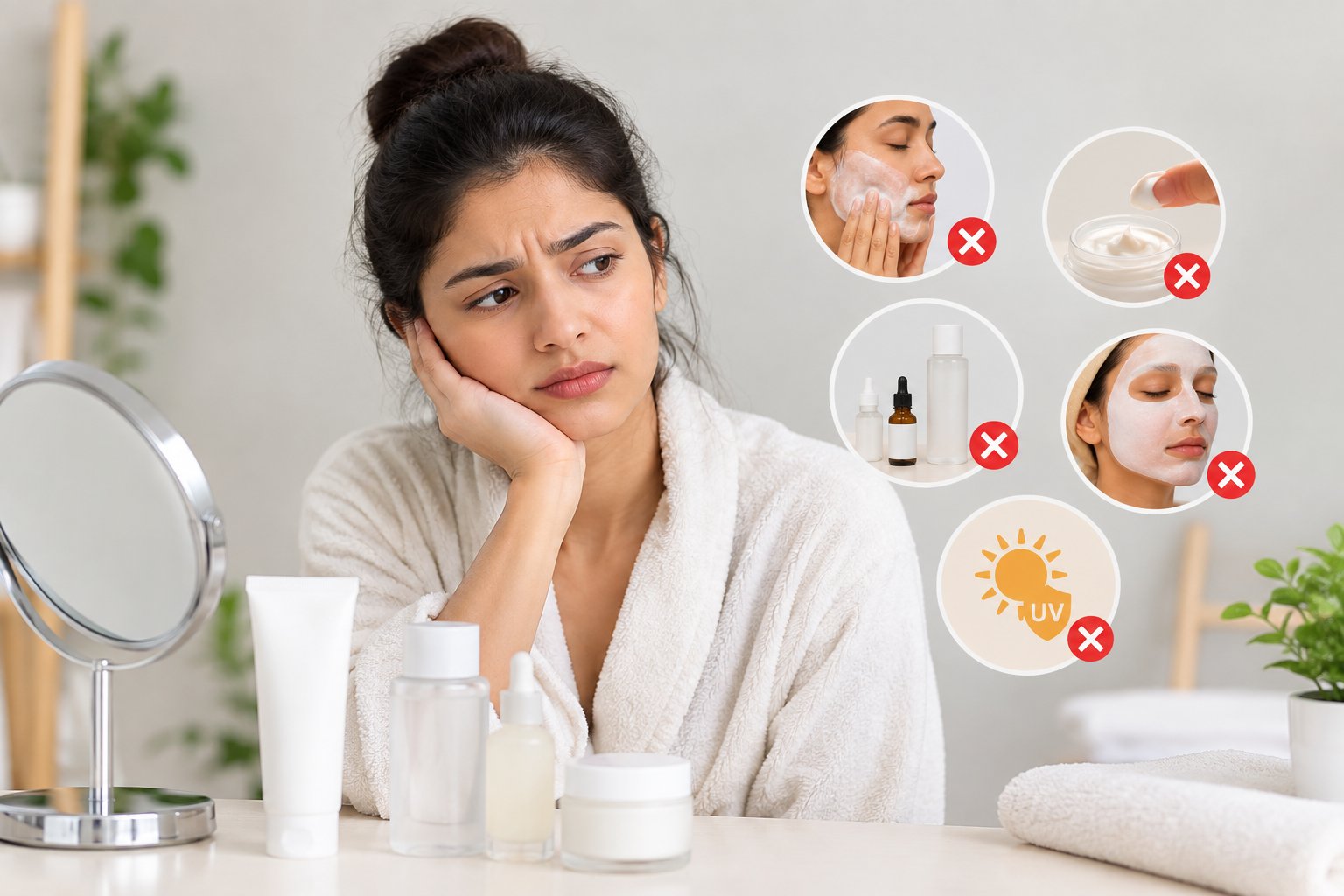
- Use strict sun protection daily: UV exposure undermines outcomes and increases recurrence risk.
- Introduce one active at a time and allow 6–12 weeks to assess benefit before changing regimen.
- Prefer evidence-based combinations (for example, retinoid + azelaic acid or short-course hydroquinone under supervision) rather than unregulated multi-ingredient products.
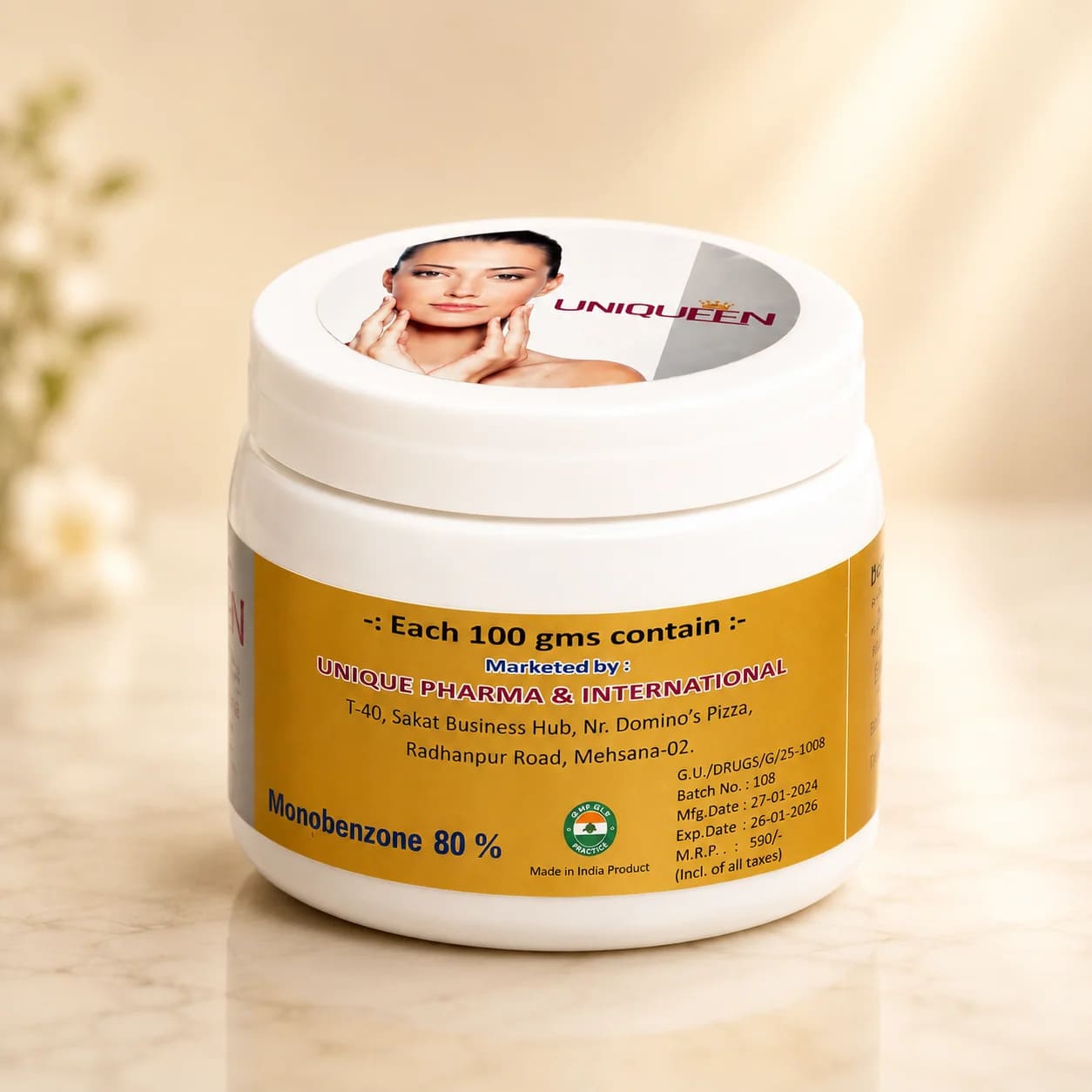
- Avoid unregulated skin-bleaching products that may contain mercury or high-dose steroids; these carry significant systemic risks.
Trade-offs and common mistakes
Common mistakes to avoid
- Assuming faster is better: aggressive protocols increase the risk of scarring or rebound hyperpigmentation.
- Ignoring photoprotection: sun exposure reverses gains and triggers melasma flares.
- Using unvetted products purchased online: some contain banned substances (mercury, unlisted high-potency steroids).
Typical trade-offs
Topical regimens are lower risk and suitable for mild to moderate pigment changes but require patience and adherence. Procedural options (peels, lasers) often deliver faster visible improvement but raise costs and risk of adverse effects; they are best performed by experienced clinicians and tailored to skin type. Combination approaches often balance efficacy and safety but require careful sequencing and sun avoidance.
Short real-world example
Scenario: A 34-year-old with hormone-associated melasma seeks faster improvement. After diagnosis, a clinician prescribes a supervised 12-week plan: daily sunscreen SPF 30+, nightly topical azelaic acid, intermittent low-dose retinoid, and avoidance of triggers (hormonal changes, heat). If response plateaus, a mild superficial peel is scheduled with strict sun precautions. Outcome: gradual lightening over 3–6 months with maintenance sun protection to prevent relapse.
Core cluster questions
- What causes persistent facial hyperpigmentation and how is it diagnosed?
- Which topical skin lightening ingredients have clinical evidence of effectiveness?
- When are chemical peels or lasers appropriate for dark spots?
- How should skin type influence choice of hyperpigmentation treatments?
- What maintenance strategies prevent recurrence after pigment reduction?
Practical checklist before starting treatment
- Obtain a clear diagnosis and baseline photographs.
- Identify triggers (medicines, hormones, inflammation) and address reversible factors.
- Choose a staged plan starting with low-risk topicals and sun protection.
- Plan follow-up at 6–12 weeks to assess response and tolerability.
- Escalate to procedural options only with documented need and qualified operator.
When to see a specialist
Refer to a board-certified dermatologist for persistent or worsening pigmentation, atypical lesions, or when considering lasers or systemic agents. Specialist evaluation reduces misdiagnosis and aligns treatment with safety standards.
FAQ
What is a skin whitening treatment and how long does it take to work?
A skin whitening treatment refers to medical or cosmetic methods used to lighten hyperpigmented areas. Timelines vary: topical agents often require 6–12 weeks to show improvement, peels and lasers may show faster changes but usually need multiple sessions and maintenance.
Are topical skin lightening products safe for all skin tones?
Many topical actives are effective across skin types, but darker skin tones are at higher risk of post-inflammatory hyperpigmentation if irritation occurs. Use lower-strength regimens, patch-test new products, and maintain strict sun protection.
How do professionals decide between a chemical peel and laser?
Choice depends on depth of pigmentation (epidermal vs dermal), skin type, treatment goals, and prior response to topicals. Chemical peels favor superficial pigmentation; lasers can address deeper pigment but require operator expertise to reduce risk of complications.
Can over-the-counter products replace medical treatments for hyperpigmentation?
Over-the-counter products with proven ingredients (niacinamide, low-concentration acids, vitamin C) can improve mild pigment issues, but persistent or severe cases often need prescription-strength agents, procedural treatments, or specialist oversight.
Is a skin whitening treatment safe long term and how to prevent recurrence?
Long-term safety depends on the method and products used. Ongoing sun protection, avoidance of triggers, and maintenance with tolerated topical agents reduce recurrence. Avoid prolonged use of unregulated bleaching products. Seek medical guidance for safe long-term strategies.