Sleep Lean Review 2025: Evidence, Ingredients, Safety and Verdict
-
- April 20th, 2026
- 236 views
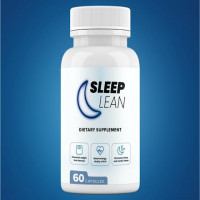
This Sleep Lean review 2025 evaluates the supplement's ingredients, claims, safety profile, and real-world usefulness for people looking to improve sleep and support weight management. The analysis focuses on evidence, dosage transparency, and common trade-offs so readers can decide before buying.
Detected intent: Commercial Investigation
Quick takeaway: Sleep Lean blends sleep-support ingredients with compounds marketed for metabolic or appetite effects. Evidence for sleep improvement is stronger for ingredients like melatonin and magnesium than for weight-loss claims. Safety depends on dose, medication interactions, and individual health. See the SLEEP checklist below for a practical decision framework.
Sleep Lean review 2025: quick verdict and who should consider it
Quick verdict: Sleep Lean is a sleep-focused dietary supplement that includes several recognized sleep aids alongside botanicals and metabolic-support ingredients. For someone with mild sleep disturbances seeking a non-prescription option, Sleep Lean may help nights and indirectly support weight goals by improving sleep quality. For primary weight loss, it should not replace diet, exercise, or medical guidance. This review separates evidence-based effects (sleep) from speculative claims (direct fat burning).
What Sleep Lean claims and what the ingredients do
Sleep Lean ingredients list and evidence
Typical ingredient categories found in Sleep Lean formulas include: melatonin, magnesium (glycinate or citrate), adaptogens (ashwagandha, rhodiola), herbal sedatives (valerian, passionflower), and metabolic-support botanicals (green tea extract, garcinia cambogia, or similar). Each ingredient has different levels of clinical support:
- Melatonin — evidence supports improved sleep onset and circadian rhythm regulation in short-term use (source: sleep medicine literature).
- Magnesium — low-to-moderate evidence for improving sleep quality when deficiency is present.
- Ashwagandha — preliminary trials show modest improvements in stress and sleep metrics in some adults.
- Green tea extracts or catechins — limited evidence linking these to modest metabolic effects, usually studied in higher doses and alongside lifestyle changes.
How Sleep Lean works for weight loss (mechanisms and realistic expectations)
Mechanisms proposed by manufacturers often combine improved sleep, appetite modulation, and small boosts in metabolic rate. Scientifically, the strongest link is between improved sleep and better metabolic regulation: poor sleep can raise appetite hormones (ghrelin), reduce satiety (leptin), and impair glucose metabolism. Supplements that reliably improve sleep may indirectly help weight-management efforts, but direct fat-burning claims require stronger clinical trials.
Evidence, safety, and regulatory context
Dietary supplements are regulated differently than drugs. The U.S. Food and Drug Administration (FDA) does not approve supplements for effectiveness before they enter the market; manufacturers are responsible for safety and labeling. For reliable guidance on supplement regulation and safety, see the FDA's dietary supplements overview: FDA — Dietary Supplements.
Safety profile and side effects
Common side effects depend on ingredients: melatonin may cause morning grogginess or vivid dreams; magnesium may cause loose stools at high doses; adaptogens can interact with medications for blood pressure or thyroid conditions. Anyone taking prescription medication, pregnant or breastfeeding, or with liver/kidney disease should consult a clinician before taking Sleep Lean or similar supplements.
SLEEP checklist: a practical decision framework
Use the SLEEP checklist to evaluate sleep-weight supplements before purchase:
- Safety: Verify doses and check interactions with medications or conditions.
- Label transparency: Confirm full ingredient list, standardized extracts, and mg per serving.
- Evidence: Look for peer-reviewed studies on key ingredients or the product itself.
- Expectations: Clarify whether the goal is sleep improvement, weight loss, or both.
- Price & policy: Evaluate return policy, third-party testing, and cost per serving.
Real-world example: how Sleep Lean might fit into a plan
Scenario: A 42-year-old adult struggles with late sleep onset after work stress and notices increased evening snacking. After consulting a clinician and checking for contraindications, the individual chooses a sleep-focused supplement containing melatonin and magnesium, uses it for three weeks, and pairs it with a consistent bedtime routine and reduced evening screen time. Sleep efficiency improves and nighttime cravings reduce, supporting a gradual reduction in daily calorie intake. This example shows how sleep-targeted supplements can be one part of a broader behavior change, not a standalone weight-loss solution.
Practical tips before buying or using Sleep Lean
- Check the full label for exact milligrams per ingredient; proprietary blends can hide doses.
- Start with the lowest recommended dose for 1–2 weeks to assess tolerance, then adjust under guidance.
- Monitor sleep with a simple sleep diary or tracker to confirm measurable improvement before attributing weight changes to the supplement.
- Discuss interactions with a healthcare professional if taking antidepressants, blood thinners, or thyroid meds.
Trade-offs and common mistakes
Trade-offs
Trade-offs include convenience versus verified dosing: some multi-ingredient formulas offer convenience but dilute clinically effective doses. Another trade-off is short-term sleep improvements versus long-term habit changes—supplements can bridge a transition but should not replace sleep hygiene improvements.
Common mistakes
- Assuming a supplement labeled for "leaning" will produce the same metabolic effects seen in isolated clinical trials at much higher doses.
- Ignoring medication interactions or existing medical conditions.
- Expecting immediate dramatic weight loss; realistic changes are incremental and tied to lifestyle.
Core cluster questions
- Can improving sleep help with weight loss?
- Which sleep supplement ingredients have clinical support for sleep quality?
- How should supplement labels be read to avoid hidden proprietary blends?
- What interactions should be checked before combining sleep supplements with prescription drugs?
- When is it appropriate to consult a doctor about persistent sleep problems?
FAQ
Is the Sleep Lean review 2025 credible and unbiased?
This review focuses on evidence, label transparency, and safety. Credibility is supported by referencing clinical literature and regulatory context rather than manufacturer claims. Readers are encouraged to verify ingredient doses and consult a healthcare provider for individual guidance.
Does Sleep Lean cause side effects?
Side effects depend on specific ingredients and doses; common issues include morning grogginess (melatonin), digestive upset (magnesium at high doses), and possible interactions with medications. Always check the label and consult a clinician if uncertain.
How long before Sleep Lean shows results for sleep?
Some ingredients like melatonin can affect sleep onset the first night; others, such as adaptogens, may take 2–4 weeks to show effects. Track sleep patterns to determine whether benefits are meaningful and sustained.
Can Sleep Lean replace lifestyle changes for weight loss?
No. Supplements may support sleep and indirectly help weight-management efforts, but diet, physical activity, and medical evaluation are primary drivers of sustained weight loss.
What should be checked on the label before buying Sleep Lean?
Confirm exact milligrams per ingredient, avoid undisclosed proprietary blends, check for third-party testing (e.g., USP, NSF), and review return/refund policies. If any ingredient is unfamiliar, research its evidence and safety or consult a healthcare professional.