The Ultimate Guide to Slow Motion: FPS, Shutter Speed, and Lighting
-
- Published Updated
- 9,623 views
Slow motion has a magical way of transforming the mundane into the extraordinary. Whether it is a single droplet of water hitting a surface, the graceful arc of a skateboarder’s jump, or the subtle expressions on a person’s face, a slow motion camera captures the details our eyes simply aren’t fast enough to process.
However, recording high-quality slow motion isn't as simple as clicking a button. It requires a delicate dance between three technical pillars: Frames Per Second (FPS), Shutter Speed, and Lighting. In this guide, we will break down how these elements work together so you can master the art of the "slow-mo" shot.
1. Understanding Frames Per Second (FPS)
The foundation of any slow motion camera is its frame rate.
To create slow motion, you must record at a higher frame rate and then play it back at a standard rate.
60 FPS: When slowed down to 30 FPS, this gives you a smooth $2x$ slow motion. It is perfect for walking, gentle movements, or "dreamy" b-roll.
120 FPS: This is the "sweet spot" for action sports. It provides a
$4x$ slow-down, making fast movements look heroic and detailed. 240 FPS and Beyond: Used for extreme action, like a popping balloon or a high-speed car chase.
The higher the FPS, the more "data" you are capturing per second, allowing you to stretch time further without the video looking choppy.
2. The 180-Degree Shutter Rule
One of the most common mistakes beginners make with a slow motion camera is ignoring shutter speed. In videography, there is a golden rule called the 180-Degree Shutter Rule.
The Rule: Your shutter speed should be double your frame rate.
For example, if you are shooting at 120 FPS, your shutter speed should be set to 1/240th of a second.
Why does this matter? This ratio creates a "natural" amount of motion blur. If your shutter speed is too slow, the video looks smeary; if it’s too fast, the motion looks "staccato" or robotic. Following this rule ensures that even though the video is slowed down, the movement feels organic to the human eye.
3. The Challenge of Lighting
Here is the catch: as you increase your FPS and shutter speed, you are effectively closing the "window" of time that light has to hit your camera sensor.
When you move from 30 FPS (1/60 shutter) to 120 FPS (1/240 shutter), you are losing two full stops of light. This means your environment needs to be significantly brighter to compensate.
Outdoor vs. Indoor Lighting
Outdoors: Bright sunlight is a slow-motion creator's best friend. It provides ample illumination for high shutter speeds without forcing you to crank up your ISO (which adds digital noise/grain).
Indoors: You will likely need powerful LED panels. However, be careful with "flicker." Many household lights pulse at a frequency (usually 50Hz or 60Hz) that is invisible to the eye but very apparent to a slow motion camera. This results in annoying dark bands or strobing in your footage.
Always use "flicker-free" professional video lights when shooting high-speed indoors.
4. Composition and Stability
Because slow motion emphasizes every tiny movement, camera shake is magnified. While a little handheld jitter might pass in a 24 FPS "vlog" style, it can ruin a slow-motion sequence.
Use a Gimbal or Tripod: Keeping the camera steady allows the viewer to focus on the movement within the frame rather than the movement of the frame.
Focus on the Apex: The most compelling slow-motion shots happen at the "apex" of an action—the moment a jumper reaches their highest point or the exact second an object breaks.
5. Why Choose the SJCAM C400 for Slow Motion?
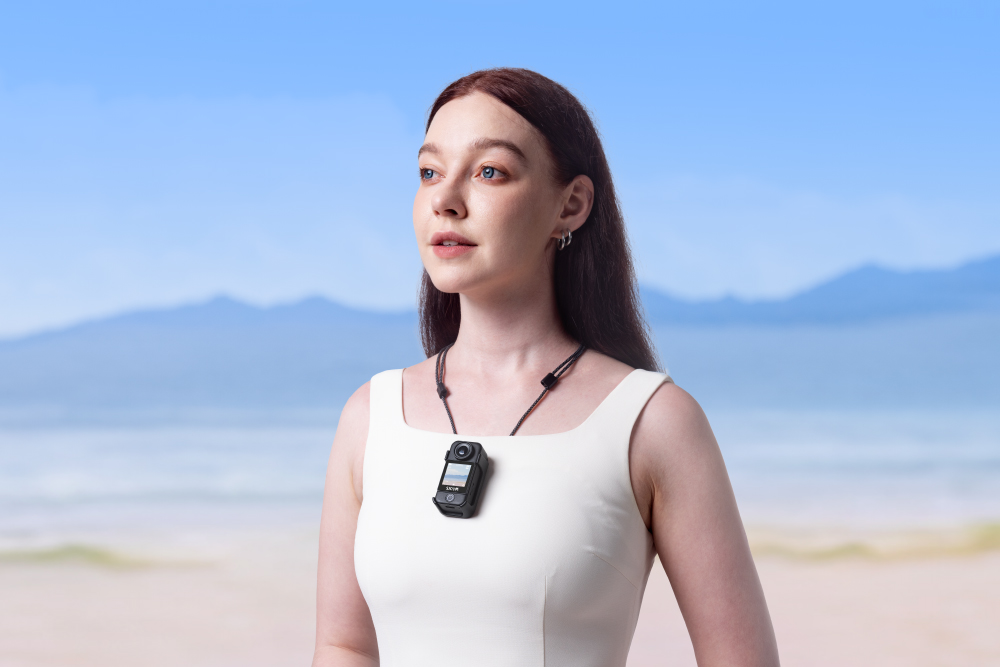
If you are looking for a versatile, powerful, and budget-friendly slow motion camera, the SJCAM C400 is an outstanding choice.
The SJCAM C400 is a modular 3-in-1 action camera designed for creators who need flexibility.
What sets the C400 apart is its modularity. The camera body can detach from the handle, allowing you to mount it in tight spots where traditional cameras won't fit.
Whether you are filming high-speed sports or cinematic travel vlogs, the SJCAM C400 provides the stabilization and high frame rates needed to make your slow-motion footage look professional.