Smart Home Energy Management Systems: The Future of Efficient Living
-

- Published Updated
- 1,725 views

Modern homes are becoming more connected every year. From intelligent lighting and automated appliances to advanced heating and cooling equipment, electronic devices now play an important role in everyday life. As the number of connected devices increases, homeowners are also looking for better ways to manage electricity consumption. becker fußpflegestuhl
This is where smart home energy management systems are becoming increasingly valuable. These systems combine sensors, smart devices, software, and communication technologies to help households understand and manage how electricity is being used.
Rather than simply monitoring energy consumption, a modern energy management system can coordinate different devices and adjust their operation according to household routines, electricity demand, and user preferences. The result can be a more organized, efficient, and convenient home environment.
What Is a Smart Home Energy Management System?
A smart home energy management system is an electronic platform designed to monitor and control energy use within a residential property.
A typical system may communicate with:
Smart lighting
Air conditioners
Heating equipment
Refrigerators
Washing machines
Water heaters
Solar panels
Battery storage units
Smart plugs
Electric vehicle charging equipment
Home energy meters
The system collects information from connected equipment and presents it in a form that homeowners can easily understand. Depending on the technology, it may also automatically adjust certain devices.
For example, an air conditioner could operate more efficiently when the system detects that a room is unoccupied. Similarly, selected appliances could be scheduled to operate during periods when electricity demand is lower.
Why Energy Monitoring Matters
Many households know the amount they pay for electricity each month but have limited information about where that electricity is being consumed.
A smart energy monitoring system can provide a much clearer picture.
Instead of seeing only a monthly bill, homeowners can examine consumption patterns throughout the day. They may discover that cooling equipment, water heating, kitchen appliances, or other electronics account for a significant portion of household energy use.
This information makes it easier to identify inefficient habits and equipment.
For instance, if electricity consumption rises sharply every evening, the homeowner can investigate which devices are operating during that period. The information can then be used to adjust schedules or replace inefficient equipment.
Knowledge is one of the most useful benefits of energy monitoring because homeowners can make decisions based on actual household consumption rather than assumptions.
The Role of Sensors
Sensors are an important component of many smart energy systems.
Temperature sensors can measure indoor conditions, while motion and occupancy sensors can determine whether people are present in particular areas. Light sensors can measure surrounding brightness, allowing lighting systems to respond to natural daylight.
These sensors continuously provide information to the central control system.
Consider a simple example. A smart lighting system may detect that a room is empty and switch off selected lights. When someone enters the room, the system can respond by activating the appropriate lighting.
The same principle can be applied to heating and cooling systems. Instead of maintaining identical settings throughout the entire day, equipment can respond to occupancy and environmental conditions.
Smart Appliances and Automated Scheduling
Another important development is the increasing number of appliances capable of communicating with home networks.
Smart appliances can provide information about their operating status and, in some cases, accept instructions from a central energy management platform.
Scheduling is particularly useful.
A washing machine, dishwasher, or water heater does not always need to operate immediately after a user activates it. If the appliance supports scheduling, it can be configured to operate at a more suitable time.
This approach can also help distribute electricity demand more evenly across the home.
For example, a household might avoid running several high-power appliances simultaneously. Instead, the energy management system can coordinate their operation according to predefined preferences.
Solar Energy and Battery Storage
Smart home energy management becomes even more useful when renewable energy equipment is included.
Many homes now use rooftop solar panels to generate electricity. However, solar production changes throughout the day because of sunlight conditions and weather.
An energy management system can monitor solar production and household consumption at the same time.
When solar production is high, the system may prioritize certain household activities. If battery storage is available, excess electricity can potentially be directed toward charging the battery, depending on the system configuration.
Later, stored energy may be used when solar production decreases.
This creates a more coordinated relationship between electricity generation, storage, and household consumption.
Electric Vehicle Charging
Electric vehicles are another reason why residential energy management is becoming more sophisticated.
Vehicle charging can require a substantial amount of electricity, particularly when a vehicle is charged at higher power levels.
A smart charging system can help homeowners coordinate vehicle charging with other household electricity requirements.
For example, charging can be scheduled for a period when household demand is lower. In homes with solar generation, charging may also be coordinated with periods of stronger solar production.
Some advanced systems can consider several factors simultaneously, including battery level, departure time, household demand, and available energy generation.
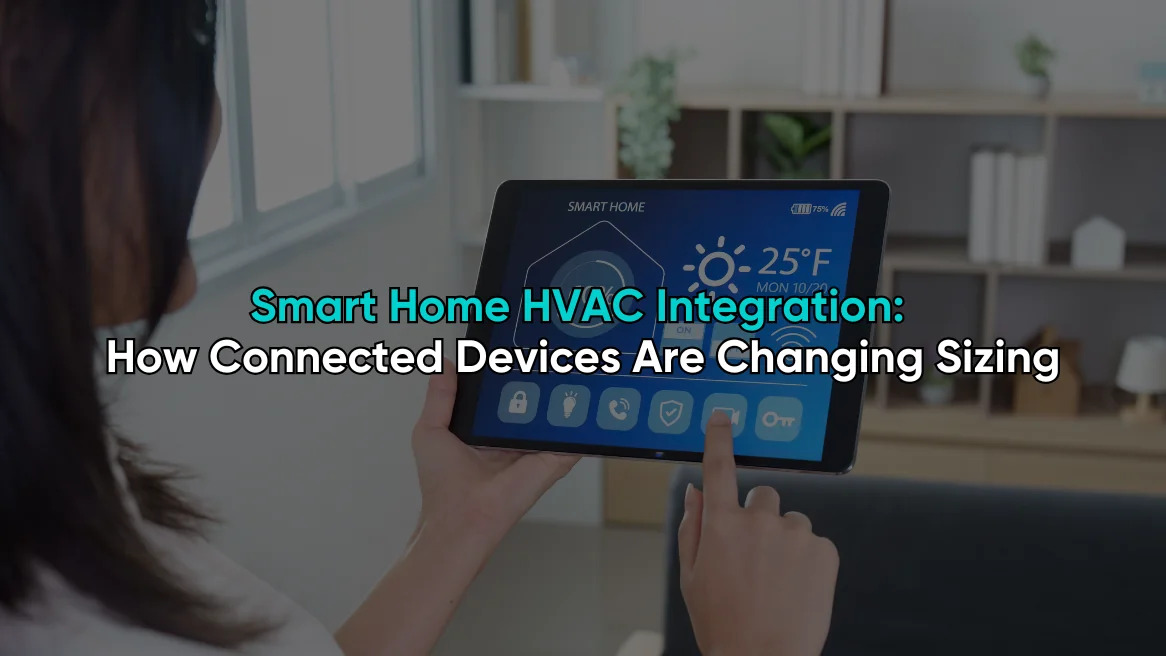
A Central Dashboard for the Home
One of the most convenient features of a smart energy system is centralized information.
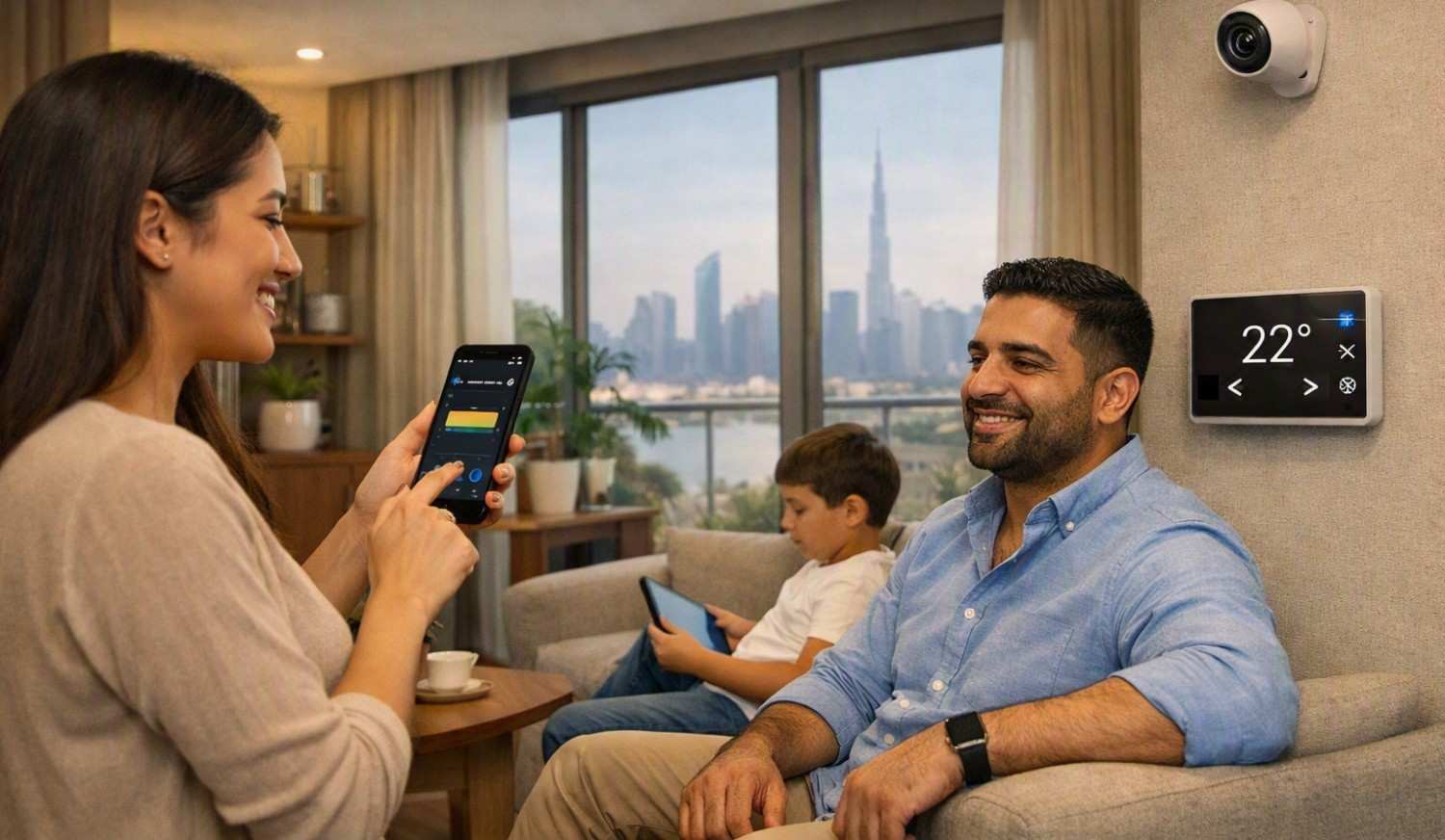
Instead of checking individual appliances, meters, and control panels, homeowners can view information through a central dashboard.
Depending on the platform, the dashboard may display:
Current electricity consumption
Daily energy patterns
Historical usage
Solar production
Battery status
Appliance activity
Temperature information
Estimated energy costs
Clear visual information can make energy management much easier.
Graphs and real-time indicators can show when electricity consumption rises or falls. Over time, homeowners can compare different days and identify recurring patterns.
Artificial Intelligence and Energy Management
Artificial intelligence is also influencing the development of smart home electronics.
Modern systems can analyze historical information and identify recurring household patterns. If a home regularly reaches a certain temperature at a particular time, the system may use that information to improve future operation.
Machine learning can also help systems recognize routines without requiring users to manually configure every setting.
For example, if residents typically return home in the evening, a smart climate control system may learn the household schedule and prepare the environment around that time.
The goal is not simply automation. It is to create a system that becomes increasingly responsive to the way a home is actually used.
Connectivity Standards Matter
A major consideration when building a smart home is compatibility.
Different electronic manufacturers may use different communication technologies and control platforms. If devices cannot communicate properly, creating a unified energy management system can become difficult.
Modern connectivity standards are helping address this challenge by improving communication between products from different manufacturers.
Before purchasing equipment, homeowners should check compatibility carefully. A smart thermostat may work with one platform while a particular energy meter or appliance may require another system.
Choosing compatible products from the beginning can make installation and future expansion considerably easier.
Security and Privacy Considerations
Connected electronics require careful attention to security.
Smart energy systems can collect information about household activity, device operation, and usage patterns. This information should be protected through appropriate security measures.
Homeowners should use strong account credentials, keep device software current, and choose reputable manufacturers. Network equipment should also be configured securely.
Privacy settings are equally important. Users should understand what information a device collects and how that information is handled.
Security should be considered part of the system design rather than something added afterward.
What Does the Future Look Like?
The future of residential energy management is likely to involve greater coordination between household electronics.
Homes may increasingly combine solar generation, battery storage, smart appliances, electric vehicles, climate systems, and intelligent lighting into a single connected environment.
Instead of each device operating independently, these systems can communicate and coordinate their activities.
Future platforms may also provide more accurate energy forecasts by combining household consumption patterns with information about weather, solar conditions, and electricity demand.
This could allow homes to respond more dynamically to changing conditions while reducing unnecessary energy use.
Choosing the Right System
Homeowners interested in energy management should begin with their specific needs.
A simple household may benefit from an energy monitor and several smart plugs. A larger property with solar panels, battery storage, and an electric vehicle may require a more comprehensive control platform.
Important factors to consider include:
Compatibility with existing equipment
Installation requirements
Sensor availability
Mobile and web controls
Energy monitoring capabilities
Solar and battery integration
Vehicle charging support
Security features
Manufacturer support
Future expansion options
It is also important to consider the long-term value of the system rather than focusing only on the initial equipment cost.
Conclusion
Smart home energy management systems represent an important development in residential electronics. By combining sensors, connected appliances, energy meters, automation, and intelligent software, these systems can provide homeowners with greater visibility and control over electricity consumption.
The technology is particularly useful as homes adopt more electronic equipment, solar panels, battery storage, and electric vehicles.
The most important advantage is not simply automation. It is the ability to understand how a home uses energy and coordinate electronic devices around real household needs.
As connectivity standards improve and intelligent control becomes more accessible, energy management is likely to become an increasingly common part of modern home technology. For homeowners interested in building a more connected and organized electronic environment, smart energy management offers an exciting direction for the future.