What Should You Ask Before Installing Home Automation in Your Home?
-

- Published Updated
- 3,254 views
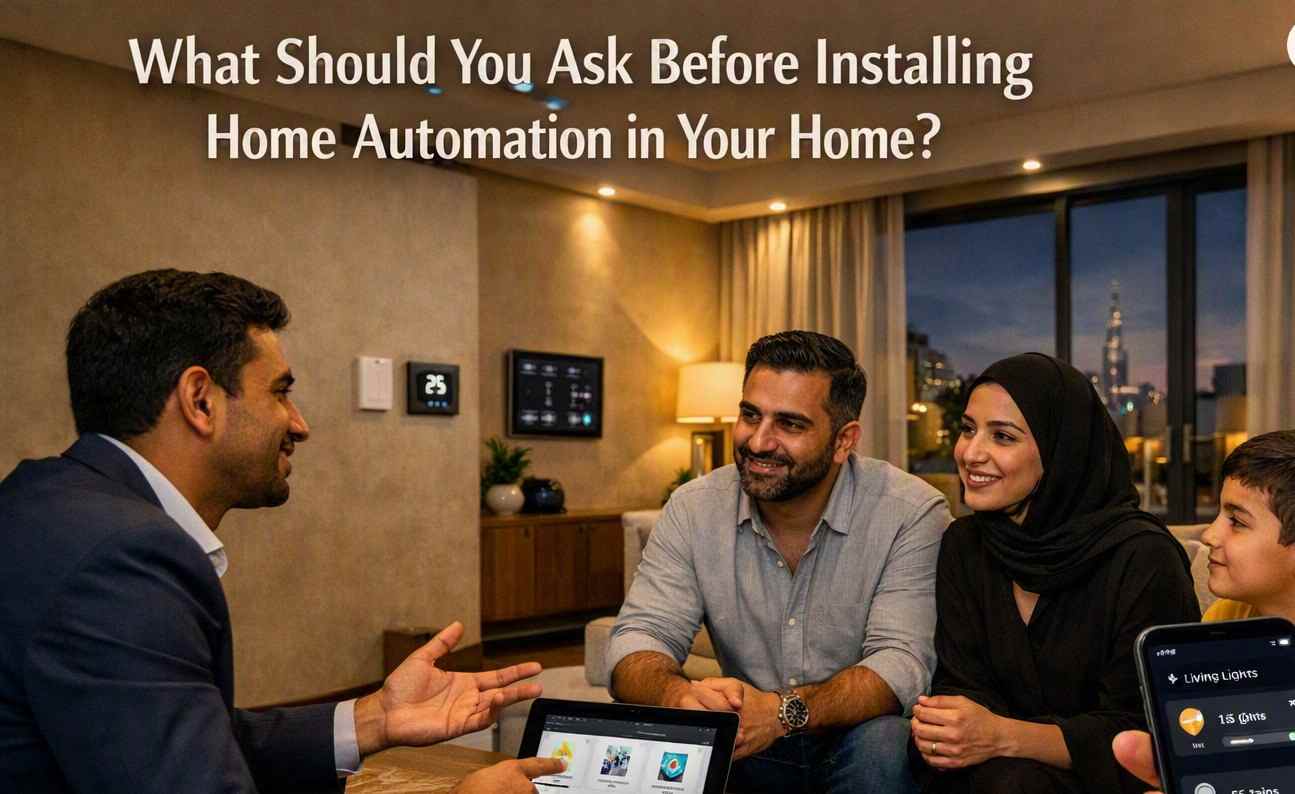
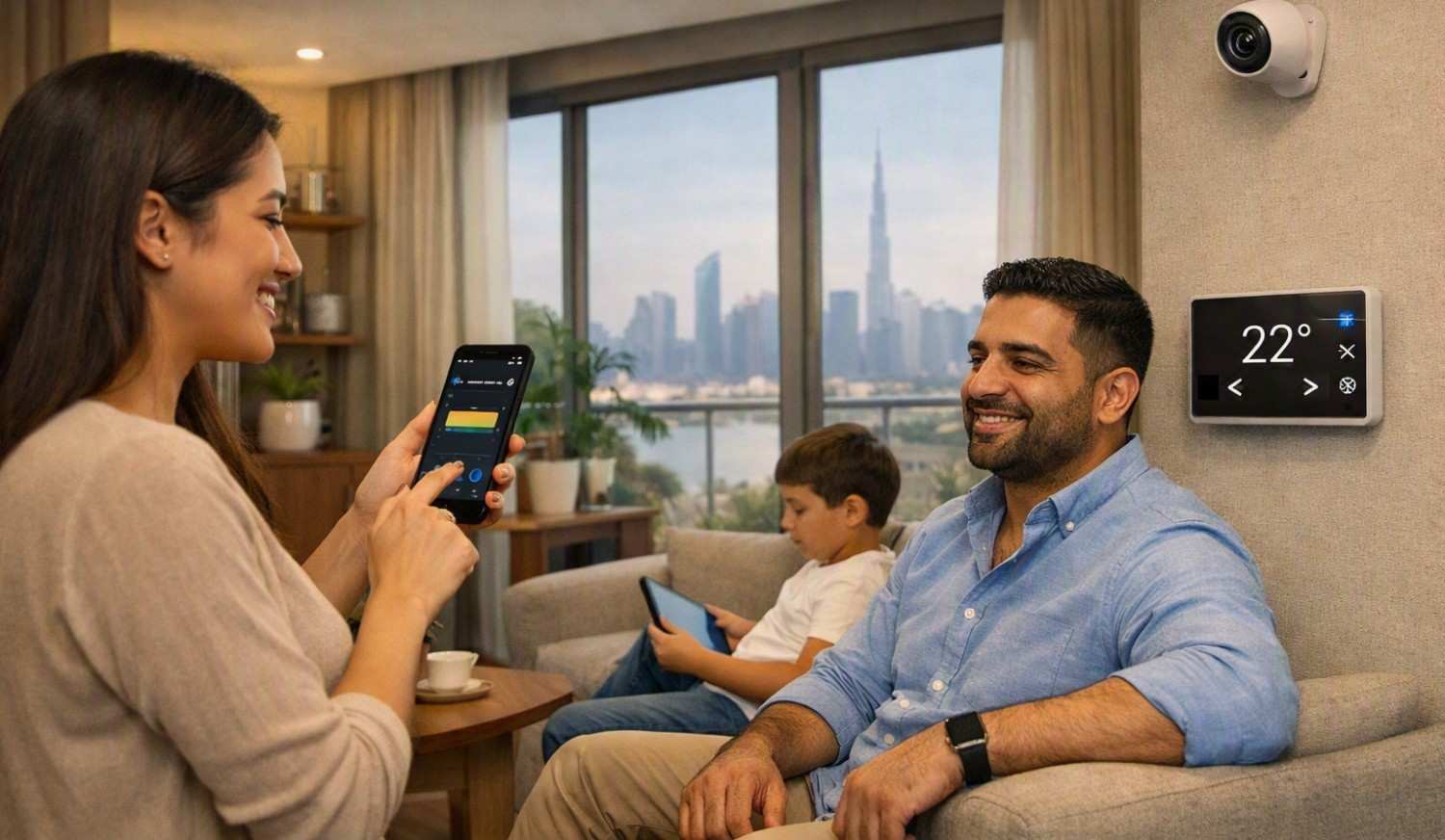
Home automation Dubai can make daily tasks easier by allowing people to control lights, curtains, temperature, entertainment devices, and other home features from one place. But before choosing a system, it is important to understand what you actually need. Asking the right questions at the planning stage can help you choose suitable devices, avoid unnecessary features, and make the system easier to use. for more info visit here: https://ziotech.ae/home-automation-system-dubai/
What Do You Want to Automate?
Start by thinking about the parts of your home that you want to control. Some people may only want smart lighting and air conditioning control, while others may want to manage security, curtains, music, and entertainment.
Make a simple list of the tasks you want to automate. This gives you a clearer idea of the type of system you need. It can also prevent you from adding devices that you may rarely use.
Will the System Work With Your Devices?
Compatibility is one of the most important things to check. Smart devices from different brands may not always work well together. Before buying anything, check whether the lights, switches, sensors, thermostats, cameras, and other devices can communicate with the chosen system.
A system that supports common smart home standards can also give you more flexibility when adding new devices later.
How Will You Control the System?
Think about how you would like to use the automation system. Some systems can be controlled through a mobile phone, tablet, voice commands, wall switches, or a central control panel.
The best option depends on the people using the home. For example, physical switches may still be useful for guests or family members who do not want to use a phone for simple tasks.
Does It Need a Strong Internet Connection?
Many smart home devices use the internet, but not every device depends on the internet for every function. Ask which parts of the system need an internet connection and which functions can continue working locally.
It is also useful to check the Wi-Fi coverage throughout the home. Weak coverage can cause delays or connection problems with some wireless devices.
Can You Add More Devices Later?
Your needs may change after you start using the system. You might later decide to add smart blinds, extra lighting, sensors, or entertainment controls.
Ask whether the system can be expanded without replacing the main equipment. A flexible setup can make future changes easier and may reduce the need to start again from the beginning.
How Easy Is It to Use?
A home automation system should not make simple tasks difficult. Ask to see how common actions are performed, such as turning off lights, changing the temperature, or opening and closing curtains.
The interface should be clear and easy for everyone in the home to understand. Too many complicated controls can make people stop using some of the available features.
What Happens If a Device Stops Working?
It is worth asking how the system handles device failures. Find out whether one faulty device can affect other parts of the system.
You should also understand how devices can be reset or replaced. Keeping basic information about the system and its settings can make future troubleshooting easier.
How Is the System Kept Secure?
Connected devices can collect information and communicate over a network, so security should be considered before installation. Ask about account protection, software updates, passwords, and access permissions.
Use strong, unique passwords and keep supported devices updated. It is also helpful to understand who can access the system and what information the devices may store.
What Maintenance Does It Need?
Some systems require very little attention, while others may need regular software updates, battery changes, or occasional adjustments. Ask what type of maintenance the system needs before making a decision.
Battery-powered sensors, for example, may need their batteries replaced from time to time. Knowing these small requirements can help you plan for long-term use.
What Is Included in the Installation?
Before installation, make sure you understand what equipment and work are included. This can cover wiring, device setup, network configuration, programming, testing, and user instructions.
It is also useful to keep a record of the devices installed in each room. This information can make future upgrades or repairs much easier.
Can You Control the Home When You Are Away?
Some systems allow remote access through a mobile application. This can be useful for checking certain devices or making changes while away from home.
However, remote access should be protected properly. Ask how it works and what security measures are used before enabling this feature.
What Should You Plan Before Installation?
Good planning is often more important than simply choosing a large number of smart devices. Consider your daily routine, the size of your home, existing wiring, internet coverage, compatibility, security, and possible future changes.
Taking time to ask these questions can help you create a system that fits your home instead of adding technology without a clear purpose. For anyone researching Home automation Dubai (https://ziotech.ae/home-automation-system-dubai/), understanding these points first can make the planning process clearer and help them make practical choices.