Smart Charging Guide: How to Choose the Right LiPo Chargers for Every Device
-

- February 23rd, 2026
- 1,373 views
LiPo chargers are an essential tool for anyone using lithium polymer batteries in drones, RC vehicles, cameras, or portable electronics. Selecting the right charger affects battery life, device performance, and safety. This guide explains core concepts, compares common charger features, and offers practical tips for safe charging and storage.
- Understand balance charging, charge rate (C-rate), and cell voltage limits.
- Prioritize chargers with balance ports, overcharge protection, and temperature monitoring.
- Match charger settings to cell count (2S, 3S, etc.) and chemistry (LiPo/Li-ion).
- Follow official safety guidance from regulators and standards organizations when available.
Why safe charging matters for LiPo batteries
Lithium polymer (LiPo) cells store a high energy density in a compact package. Improper charging or storage can increase the risk of cell degradation, swelling, or thermal events. Familiarity with concepts such as balance charging, maximum charge voltage (typically 4.20 V per cell for many LiPo chemistries), and state of charge helps reduce risk. Industry standards and regulators, including testing protocols from standards bodies and safety guidance from consumer protection agencies, provide useful baselines for safe handling.
Choosing LiPo chargers: key features to consider
Selecting a charger should start with compatibility and safety features. Important characteristics include:
Balance charging and balance leads
Balance charging ensures each cell in a multi-cell pack reaches the same voltage. Chargers with dedicated balance ports and balancing circuits reduce the chance of overcharge on a single cell and help prolong pack life.
Charge rate and C-rate settings
Charge current is often specified relative to battery capacity (C-rate). For example, 1C for a 2200 mAh pack equals 2.2 A. Lower charge rates (0.5C–1C) are generally gentler on cells and extend cycle life; higher rates can be used when the battery and manufacturer recommendations allow it.
Cell count and voltage detection
Ensure the charger can detect and is configurable for the pack's cell count (2S, 3S, 4S, etc.). Automatic detection reduces setup error, but manual verification of cell count and target voltage is a good practice.
Safety protections
Look for features such as overvoltage and overcurrent protection, temperature sensing, short-circuit protection, and timers. Some chargers include firmware that follows recommended charge profiles and monitors cell conditions during the charge cycle.
Power source and portability
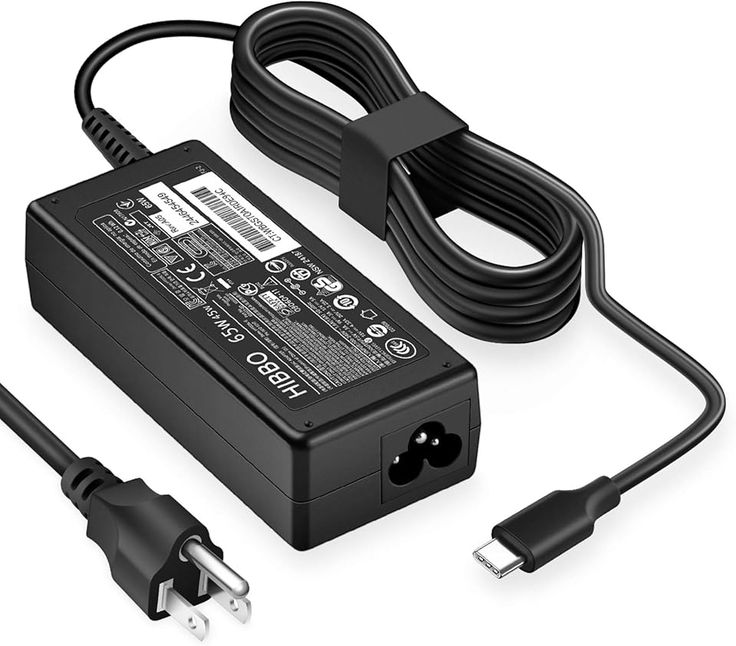
Chargers may be AC-powered for bench use or DC/USB-powered for field charging. Consider the required input (AC adapter, USB PD, or lead-acid supply) and whether the charger supports the device power needs while maintaining safety limits.
User interface and firmware
A clear display and reliable firmware help avoid configuration mistakes. Some units offer computer connectivity for firmware updates and logging; these can be useful for advanced monitoring and troubleshooting.
How to use a LiPo charger safely
Pre-charge checks
Inspect batteries for physical damage, puffing, or exposed wiring before charging. Verify connector polarity, correct cell count, and appropriate charge current for the battery’s capacity.
Charging environment
Charge on a non-flammable surface in a well-ventilated area and keep a safe distance from flammable materials. Avoid unattended charging when possible. For additional safety guidance, consult the U.S. Consumer Product Safety Commission (CPSC) battery safety guidance (CPSC).
Balance and storage charge levels
Use balance charging for multi-cell packs. For long-term storage, charge or discharge cells to a recommended storage voltage (typically around 3.7–3.85 V per cell for many LiPo chemistries) to minimize aging and reduce risk.
Maintenance, testing, and end-of-life
Regularly cycle and test packs used in high-demand applications. Replace batteries that show persistent capacity loss, increased internal resistance, or noticeable swelling. Follow manufacturer or industry guidance for end-of-life disposal and recycling; many jurisdictions have specific rules for lithium battery disposal.
Common terms and related concepts
Familiarity with these terms helps in selecting and using chargers: battery management system (BMS), cell balancing, state of charge (SoC), internal resistance, thermal runaway, charge cutoff voltage, and charge/discharge C-rate.
Frequently asked questions
How to choose LiPo chargers for drones and RC devices?
Choose a charger that supports the pack cell count, offers balance charging, and allows configuring the correct charge current (C-rate). Consider a unit with temperature monitoring and overcurrent protection. Match the charger’s input power options to field use (AC, DC, or USB) and verify connector compatibility with the battery and vehicle.
What is balance charging and why is it important?
Balance charging ensures each individual cell in a multi-cell pack reaches the same voltage at the end of the charge cycle. This reduces the chance of a single cell becoming overcharged, improves cycle life, and maintains pack performance.
Can a LiPo charger damage batteries if set incorrectly?
Incorrect settings—such as selecting the wrong cell count or an excessive charge current—can stress cells and shorten life, and in extreme cases may increase safety risks. Always confirm charger settings before starting a charge, and follow battery manufacturer recommendations when available.
Are there standards or certifications to look for?
Look for chargers that conform to recognized safety and electrical standards. References from standards bodies, test reports, or guidance from organizations such as national consumer safety agencies and technical committees can provide assurance about safety practices and product testing.