Are There Any Smoke-Free Areas in Australia?
-
- Published Updated
- 8,912 views
Australia leads the world in tobacco control with strict laws that protect public health. These rules create clear boundaries around where smoking can happen. People often wonder about the full scope of these restrictions. This post explores smoke-free areas across the country. It covers federal guidelines and state-specific rules to help you understand what applies where you live or visit.
Federal Foundations of Smoke-Free Laws
Federal laws set the foundation. The Tobacco Plain Packaging Act 2011 and the Public Health (Tobacco) Act 2002 ban smoking in many enclosed public spaces nationwide. These apply to places like airports and federal buildings. States and territories build on this base with their own tougher measures. The goal remains consistent: reduce secondhand smoke exposure and support those trying to quit.
Outdoor Public Spaces Under Restriction
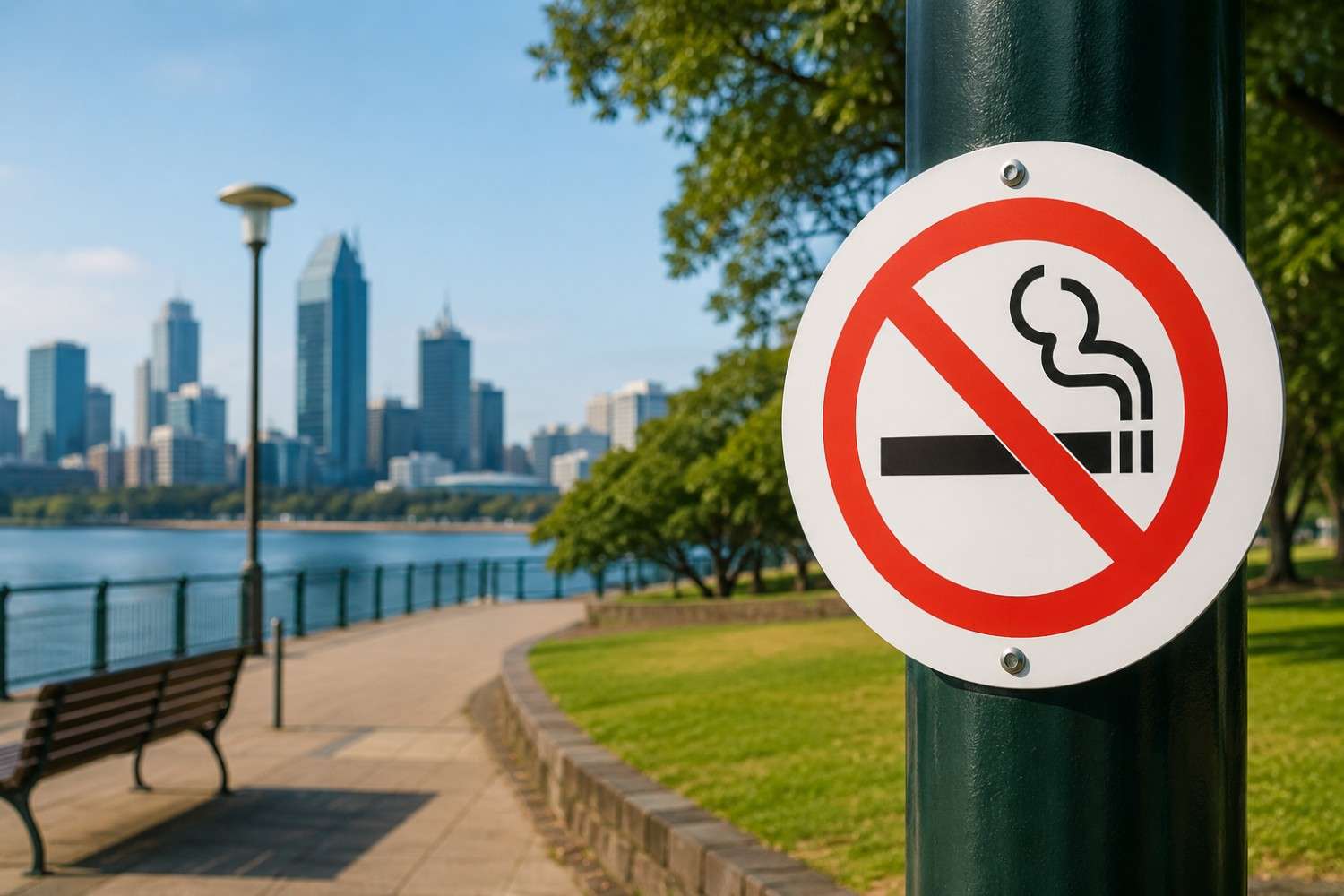
Outdoor public spaces face heavy restrictions too. Most states prohibit smoking in pedestrian malls, train stations, and public transport stops. Parks and playgrounds often fall under no-smoking zones. Beachfronts and picnic areas join the list in several regions. These rules evolved from community health campaigns backed by evidence from the Australian Institute of Health and Welfare.
State-by-State Smoke-Free Breakdown
New South Wales and Victoria
New South Wales bans smoking within 4 meters of children's playgrounds, public pools, and barbecue areas. Sydney's parks enforce this strictly with signage and fines up to $550. Victoria takes a similar approach. Melbourne's council areas restrict smoking in all outdoor dining spaces and within 4 meters of entrances to pubs and restaurants. Patrons must step further away to light up.
Queensland and South Australia
Queensland expanded its rules in recent years. The state outlawed smoking in all enclosed public areas and many outdoor spots like stadiums and hospitality venues. The Gold Coast and Brisbane enforce no-smoking buffers around public transport. Fines start at $344 for individuals. South Australia mirrors this with bans in entertainment precincts and within 10 meters of non-residential building entrances.
Western Australia, Tasmania, and the Northern Territory
Western Australia updated its Health Act to cover more ground. Perth bans smoking in patrolled beaches, public pools, and sportsgrounds. The rules extend to outdoor seating at cafes during service hours. Tasmania focuses on family-friendly zones. Smoking remains prohibited in all state parks and near schools. The Northern Territory aligns with national standards but adds local bylaws for Alice Springs markets and public events.
Smoke-Free Zones in Key Facilities
Hospitals and Healthcare
Hospitals and healthcare facilities stand out as total no-go zones. Every state and territory bans smoking on the entire hospital grounds, including parking lots and entrances. This protects vulnerable patients from secondhand smoke.
Schools and Educational Areas
Schools follow suit with comprehensive bans covering playgrounds, sports fields, and 4-meter buffers. Even private vehicles carrying children under 16 face fines if smoking occurs inside.
Residential and Shared Outdoor Areas
Multi-unit housing brings unique challenges. Residential complexes often designate smoke-free zones under strata laws. Many apartment buildings in major cities like Sydney and Melbourne prohibit smoking on balconies overlooking common areas. Local councils enforce this through bylaw complaints. Body corporate rules in Queensland and NSW can extend smoke-free policies to patios and gardens. Tenants report issues through council mediation if neighbours violate these. Public housing authorities like those in Victoria actively promote smoke-free policies to improve air quality for families.
Sports Venues and Events
Sports venues enforce strict measures during events. The AFL and NRL stadiums across Australia maintain smoke-free policies inside and out. Fans find designated areas far from seating. Concerts and festivals follow national event guidelines, often partnering with Quitline for awareness.
Enforcement and Penalties
Penalties reinforce compliance. Fines range from $200 to $1,100 depending on the state and offence. Repeat violations lead to higher costs. Enforcement comes from council rangers, police, and authorised officers. Public reporting hotlines encourage community involvement. For instance, Victoria's health department website lists easy ways to report breaches.
Practical Tips for Travellers and Residents
Travellers should check local rules before lighting up. Apps from state health departments provide maps of smoke-free zones. National park service sites detail restrictions for bushwalks and campsites. International visitors learn quickly through airport signage and hotel advisories.
Some areas allow limited smoking. Designated outdoor smoking zones exist at certain licensed venues. Private homes and fully private outdoor spaces remain exempt. However, courtesy to neighbours matters even there. Many councils promote voluntary smoke-free home policies through campaigns.
Resources for Quitting and Compliance
Understanding these laws helps everyone navigate daily life. Smokers benefit from knowing where to go, while non-smokers appreciate cleaner air. Resources like the Australian Government's Quitline (13 7848) offer free support for quitting.
For those in Adelaide seeking quality options, explore Esse cigarettes Adelaide. Reliable suppliers stock popular brands while respecting local regulations.
Evolving Policies and Final Thoughts
Australia's smoke-free framework continues to evolve. Recent consultations in several states discuss expanding bans to more beaches and paths. Health departments publish updates online for the latest changes. Staying informed keeps you compliant and considerate.
In summary, yes, Australia has extensive smoke-free areas covering public indoor and outdoor spaces, healthcare sites, schools, and transport hubs. State variations exist, but the message is clear: public spaces prioritise fresh air. Check your local council or health department website for precise maps and fines.
My Cigs Australia provides convenient access to cigarettes tailored for Australian smokers. Visit us to find what suits your needs while honouring these vital public health rules.