Social Media Lead Generation Guide: Convert Followers into Loyal Fans
-
- February 23rd, 2026
- 1,641 views
Social media lead generation turns casual followers into qualified prospects through targeted offers, clear calls to action, and consistent engagement. This guide explains practical, evergreen techniques to move followers down the funnel and build repeatable lead pipelines without relying on one platform or a single campaign.
Use audience research, tailored content, gated offers, optimized landing pages, and measurement to convert followers into fans and leads. Include testing, privacy compliance, and CRM integration to scale. Combine organic and paid tactics and prioritize ongoing nurturing to increase conversion rates.
Overview of social media lead generation
Social media lead generation relies on building interest and trust, then asking for contact details or other qualifying signals at the right moment. Before launching campaigns, document audience segments, buyer needs, and the expected path from discovery to conversion. Planning reduces wasted ad spend and improves message relevance.
Foundations: audience, value proposition, and funnel
Define target segments and intent
Map followers into meaningful groups based on behavior, demographics, and expressed interests. Use profile analytics, comments, and direct interactions to identify high-intent groups likely to convert into leads.
Craft a clear value proposition
Offer something specific and time-relevant: an actionable checklist, a short course, a case study, or a webinar. The offer should solve a single problem and match the audience segment’s stage in the buyer journey.
Design a simple conversion funnel
Keep the path short: social post → landing page → lead capture form → thank-you page with next steps. Reduce friction by minimizing form fields and offering immediate value.
Content and creative tactics that convert
Use educational and social-proof content
Educational posts, short tutorials, customer stories, and user-generated content build credibility and prime followers to act. Combine demonstration content with testimonials or quantified outcomes where available.
Lead magnets and gated content
High-value lead magnets—templates, industry reports, or email series—work well on social channels when promoted with concise benefit-driven copy and a clear call to action.
Interactive formats and direct response
Polls, quizzes, live Q&A sessions, and direct messages can surface intent and provide a low-friction way to capture contact details. Use quiz results or replies as segmentation data for personalized follow-up.
Channel tactics and paid amplification
Organic engagement vs. paid reach
Organic content builds long-term relationships; paid campaigns accelerate reach and targeting. Combine both: use organic posts to establish tone and paid ads to amplify specific lead magnets or events.
Retargeting and lookalike audiences
Retarget visitors who engaged but did not convert with tailored offers. Use lookalike or similar audience targeting to reach new users who resemble top-performing segments.
Capture, nurture, and qualify leads
Optimize landing pages and forms
Match landing page messaging to the social ad or post. Keep forms short—name and email are often sufficient—and test progressive profiling to gather more details later in the funnel.
Immediate follow-up and lead scoring
Send an automated confirmation and deliver promised content instantly. Use simple lead scoring (engagement, company size, role) to prioritize outreach from sales or specialized nurturing tracks.
Measurement, testing, and privacy
Track the right metrics
Measure both top-of-funnel engagement metrics (views, clicks, shares) and conversion metrics (lead rate, cost per lead, lead quality, qualified leads). Tie lead outcomes to downstream KPIs like meetings or opportunities where possible.
Continuous testing
Run A/B tests on headlines, creative, call-to-action phrasing, and landing page layouts. Iterative tests identify which combinations increase conversion and lead quality.
Compliance with regulators and privacy rules
Follow applicable disclosure and privacy rules such as the Federal Trade Commission (FTC) guidelines for endorsements and, where relevant, data protection regulations like the General Data Protection Regulation (GDPR). Maintain clear consent records and a simple privacy notice on lead capture forms.
Scaling and operational considerations
Integrate with CRM and automation
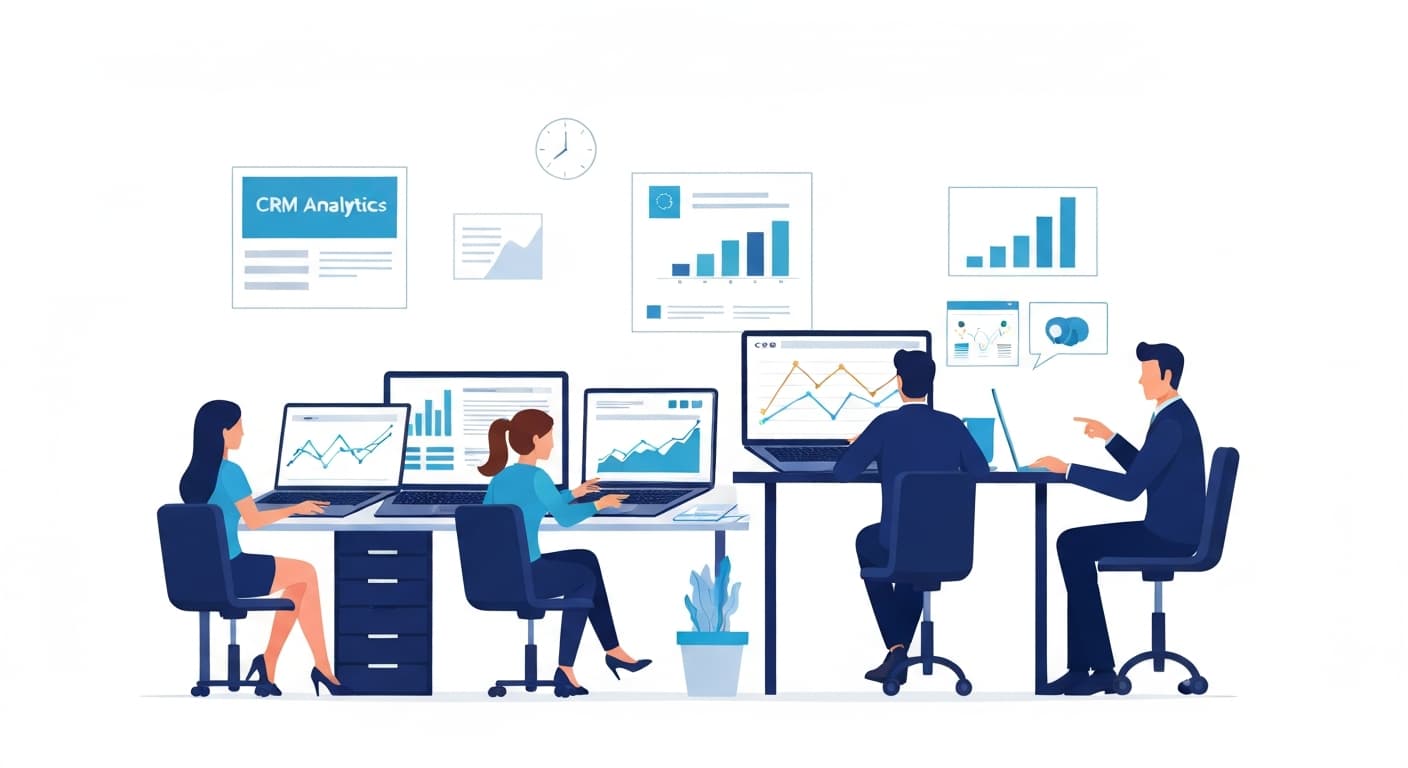
Connect capture forms to a CRM to automate assignment, follow-up sequences, and reporting. A reliable data workflow reduces manual handoffs and shortens response time, which often improves conversion to qualified opportunities.
Roles, process, and SLAs
Define responsibilities for creative, ad operations, analytics, and sales follow-up. Establish service-level agreements (SLAs) for lead response to ensure fast outreach and consistent nurturing.
Trust signals and evidence
Use verified statistics and third-party research to inform strategy. For example, recent data from the Pew Research Center highlights social media adoption patterns that can guide audience targeting and content timing: Pew Research Center. Citing academic studies (journal of marketing research, industry white papers) can support claims about what works for similar audiences.
Next steps and checklist
- Map audience segments and matching offers.
- Create one high-value lead magnet and one optimized landing page.
- Set up tracking, CRM integration, and an initial nurturing flow.
- Run a small paid test and iterate on creative and landing copy.
- Establish compliance checks and clear SLAs for follow-up.
Measuring long-term success
Track cohort performance over time to understand how social-sourced leads perform compared with other channels. Monitor retention and repeat purchases to determine whether followers converted to fans in a meaningful, revenue-driving way.
What is social media lead generation and why does it matter?
Social media lead generation captures contact details or signals from followers through targeted content and offers. It matters because it converts passive audience members into prospects who can be nurtured into customers, creating measurable value beyond likes and impressions.
How quickly should leads be contacted after capture?
Best practice is to send an immediate automated message and aim for human outreach within a short SLA (24–72 hours), depending on resource availability and lead priority.
What privacy considerations affect social media lead generation?
Ensure consent is explicit, maintain a clear privacy notice, and adhere to regional regulations such as GDPR where applicable. Keep records of opt-ins and provide simple options to unsubscribe or withdraw consent.
How to measure lead quality from social channels?
Track conversion to downstream outcomes—qualified meetings, opportunities, or purchases—rather than relying solely on quantity metrics. Use lead scoring and compare cohorts to evaluate which channels and campaigns deliver the best lifetime value.