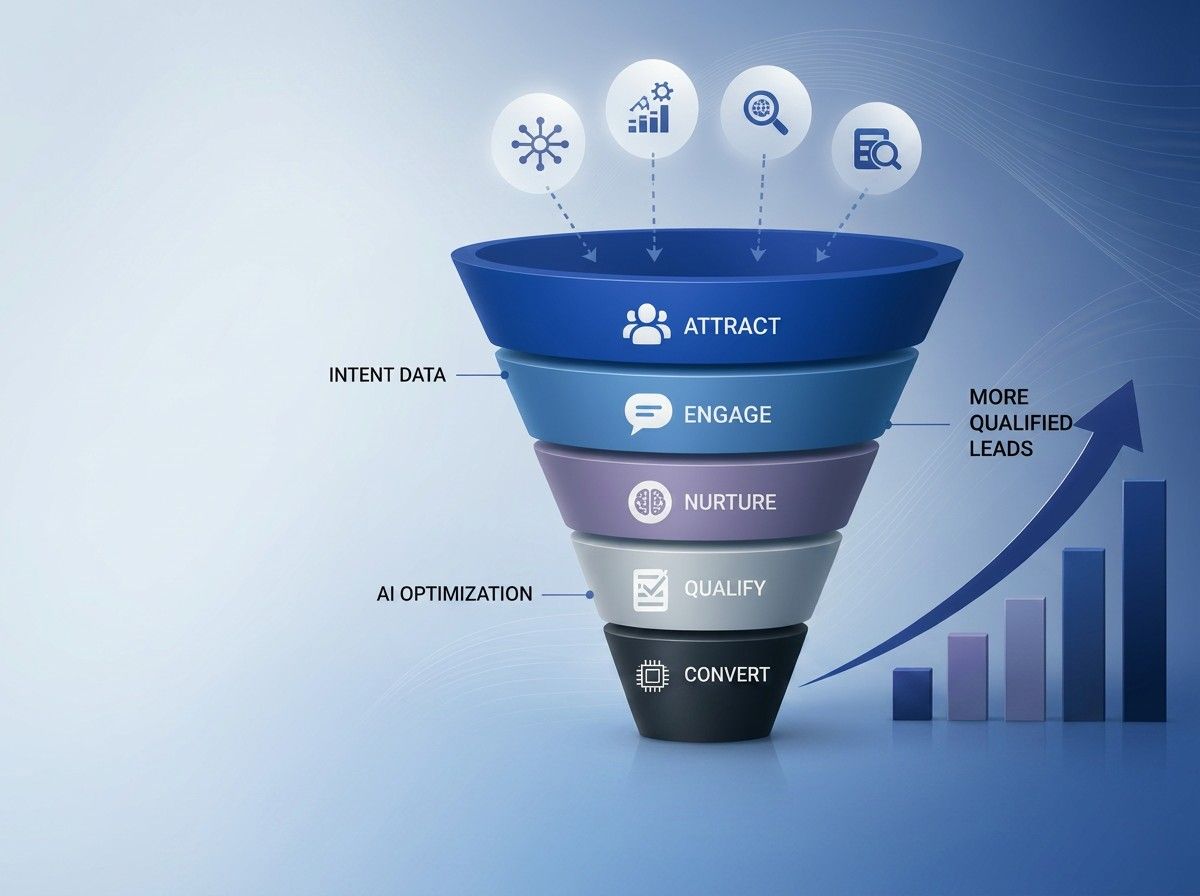
Practical Strategies for Social Media Lead Generation That Convert
-
- February 23rd, 2026
- 1,344 views
Social media lead generation is a process that uses social platforms to attract, capture, and nurture potential customers. Effective use of social media for lead generation combines clear offers, targeted content, measurement, and compliance with data and advertising rules. This guide summarizes proven tactics, measurement approaches, and privacy considerations for marketers and small teams aiming to turn social engagement into measurable leads.
- Define the target audience and map social channels to customer stages.
- Create lead magnets and conversion paths (landing pages, forms, chatbots).
- Use both organic content and paid targeting; measure with UTMs and CRM integration.
- Respect privacy and disclosure rules (FTC, GDPR) when collecting data.
Preparing channels and audience for lead generation
Choose channels based on audience and intent
Select platforms where the target audience spends time and where content can demonstrate value. B2B audiences often respond to LinkedIn-style professional content and webinars, while B2C audiences may engage more on visual and short-video platforms. Consider audience demographics, content format, and purchase intent when prioritizing channels.
Define buyer journeys and content themes
Map the customer journey from awareness to decision and assign content types to each stage: educational posts and videos for awareness, case studies and demos for consideration, and trials or discounts for conversion. Align content themes with keywords and search intent to support both organic discovery and paid campaigns.
Best practices for social media lead generation
Use clear lead magnets and conversion points
Offer specific incentives—white papers, checklists, free trials, webinars, or discount codes—that require a simple form submission or conversation. Keep forms short to reduce friction; collect only the data required for the next step in the funnel. Consider progressive profiling in the customer relationship management (CRM) system to enrich leads over time.
Optimize landing pages and CTAs
Ensure landing pages match the creative and message that drove the click. Clear headlines, social proof, concise benefits, and a single primary call-to-action improve conversion rates. Use mobile-responsive designs and fast-loading pages, since a large portion of social traffic comes from mobile devices.
Combine organic and paid tactics
Organic posts build trust and visibility; paid ads scale reach to specific audiences. Use organic content to educate and retarget engaged users with paid offers. Paid formats often include lead forms native to the platform or click-to-landing-page ads—test both to see which converts at lower cost per lead.
Measurement, tracking, and optimization
Track performance with UTM parameters and pixels
Tag social links with UTM parameters to attribute traffic and conversions in analytics tools. Implement platform tracking pixels and CRM lead capture to connect ad interactions to downstream outcomes (leads, opportunities, revenue). Use conversion windows and view-through metrics with caution to avoid over-attribution.
Measure the right metrics
Beyond vanity metrics, prioritize conversion rate, cost per lead (CPL), lead quality (sales-accepted leads), and downstream revenue. A/B test creative, audience segments, and landing page elements to improve conversion efficiency. Regularly review the funnel to identify drop-off points and iterate based on data.
Compliance, privacy, and ethical considerations
Follow disclosure and data rules
Advertising and influencer posts often require clear disclosures. Regulators such as the Federal Trade Commission (FTC) provide guidance on endorsements and disclosures that affect social campaigns. For guidance on advertising and endorsements, consult the FTC guidance: FTC guidance. Data-collection practices must comply with applicable privacy laws, such as the General Data Protection Regulation (GDPR) in the EU and local consumer protection rules.
Adopt responsible data practices
Obtain explicit consent where required, provide transparent privacy notices, and allow easy opt-outs. Limit the use of personal data to stated purposes and secure data in the CRM. When using targeting options, avoid discriminatory practices and follow platform policies and legal requirements.
Tools and integrations that support lead generation
CRM and marketing automation
Integrate social lead capture with a CRM to route leads, score them, and automate follow-up emails or sales notifications. Marketing automation helps nurture leads through drip campaigns and triggers based on behavior.
Analytics and testing tools
Use web analytics, heatmaps, and A/B testing platforms to evaluate landing pages and funnels. Attribution models and multi-touch reporting can clarify which social efforts contribute most to conversions.
Conversational tools
Chatbots and messaging integrations can capture high-intent leads directly within social platforms or on landing pages. Design conversational flows to qualify leads and route them to the appropriate sales channel.
Scaling and long-term strategy
Build repeatable campaigns
Document audience segments, creative templates, and testing plans to scale successful campaigns across channels. Maintain a content calendar and repurpose high-performing assets across formats and platforms.
Invest in measurement and team alignment
Align marketing and sales on lead definitions and handoff criteria. Regularly review performance with stakeholders and adjust budgets toward channels that deliver quality leads and acceptable CPLs.
FAQ
What is social media lead generation and how does it work?
Social media lead generation is the process of attracting prospects via social platforms, offering a value exchange (content or an offer), and capturing contact information or direct engagement. It works by combining targeted content, ads, landing pages, and follow-up systems to move users through an interest-to-purchase flow.
How much should be spent on social media lead generation?
Budgets vary by industry, audience size, and campaign goals. Start with a test budget to establish benchmarks for cost per lead and conversion rate, then scale spending toward channels and creatives that show positive return on ad spend (ROAS) and acceptable CPLs.
How can lead quality be improved from social campaigns?
Improve lead quality by refining audience targeting, qualifying offers, adding pre-qualification questions, using lead scoring in the CRM, and aligning campaign messaging with buyer intent. Follow-up speed and personalized outreach also increase conversion from lead to customer.
What privacy considerations matter for social media lead generation?
Comply with applicable laws (e.g., GDPR) and platform policies, disclose advertising and endorsements, obtain necessary consents before collecting personal data, and provide clear opt-outs. Securely store data and limit access to authorized personnel.
How long does it take to see results from social media lead generation?
Initial test results often appear within days to weeks, but meaningful optimization and reliable return typically require several months of testing, tracking, and iterative improvements across creative, audience, and landing page elements.