7 Questions to Ask Before Buying a Solar Battery in Perth?
-

- Published Updated
- 4,203 views

Here's a fact worth sitting with before you get your first quote: two solar batteries can look almost identical on paper — same rough price, same "10-year warranty" sticker — and still deliver very different results for your home. The difference usually isn't the battery itself. It's whether anyone asked the right questions before it was installed. If you're comparing options in Perth right now, these are the seven questions that actually separate a battery that quietly earns its cost from one that just sits on your wall.
1. What Size Battery Does My Household Actually Need?
This is the question everything else depends on, and it's also the one most buyers skip in favour of just picking the biggest capacity they can afford. The right size depends on your household's energy consumption patterns and how much energy your solar panels generate, not on a generic "family home" average. Your recent electricity bills and usage timing — specifically how much power you use after the sun goes down — are the real starting point here, not a national estimate.
2. What Battery Chemistry and Brand Am I Actually Getting?
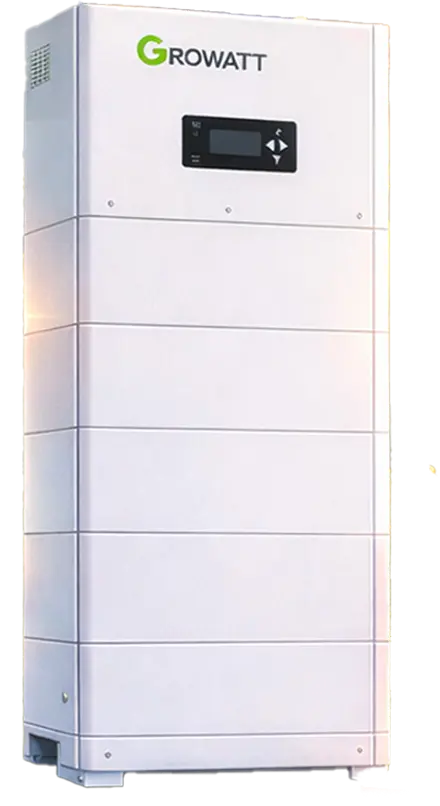
It's worth asking this directly, because not every quote volunteers it. Most quality batteries today use LiFePO4 (Lithium Iron Phosphate) chemistry, known for stability and longer cycle life compared to older lithium-ion or lead-acid formulas. Established brands — Growatt, FoxESS, Sigenergy, Sungrow, Tesla Powerwall 3, and GoodWe are among the most common in the Perth market — each have their own capacity ranges and design approach (modular vs. single-unit). If an installer describes a battery only as "premium" or "Tier 1" without naming the actual manufacturer, that's worth pressing on.
3. Is the System Modular, or Am I Locked Into One Fixed Size?
This question matters more than it seems at first. A modular battery design lets you expand storage capacity later — adding a unit as your household's needs grow, rather than replacing the entire system. If you're not certain your current usage will stay the same for the next decade (a growing family, a future EV, a home office), asking whether your chosen system can scale is a genuinely practical question, not an unnecessary one.
4. Do I Need to Notify My Electricity Network Provider?
Yes — and it's worth understanding why. In WA, government battery rebates require proper paperwork: the battery connected to the inverter, and the inverter connected to the grid, all in compliance with network connection requirements. In most cases, a reputable installer handles this notification and paperwork on your behalf before the battery is commissioned. But it's worth confirming directly, because failing to notify your network provider can result in compliance issues, connection delays, or missing out on your rebate entirely.
5. Can I Install It Myself, or Do I Need a Licensed Electrician?
If you have genuine electrical experience, some minor aspects might be within reach — but for the vast majority of homeowners, the honest answer is no. A battery connected to your grid connection requires a qualified electrician to install it properly and safely. This isn't a corner worth cutting: incorrect installation isn't just a warranty risk, it's a genuine electrical safety issue.
6. What's the Realistic Lifespan, and What Does the Warranty Actually Cover?
On average, solar batteries have a 10-15 year lifespan, depending on the chemical formula, system size, installation quality, and environmental conditions. Most leading manufacturers back this with a 10-year warranty, guaranteeing a certain level of capacity retention throughout that period. It's worth asking your installer to explain exactly what that warranty guarantees — not just "10 years," but what minimum performance level is promised by the end of it, since that detail is what actually protects your investment.
7. What Will the Battery Actually Power During a Blackout?
This is one buyers assume rather than ask, and it's a mistake. Not every battery supports your entire home during a power outage — it depends on your battery system size and which appliances you run day to day. Most homeowners choose to back up essentials such as lighting, refrigerators, internet routers, TVs, and select power outlets, rather than the whole house. Before purchasing, it's worth discussing your specific backup priorities with your installer directly, so the system is sized and configured around what actually matters to your household during an outage — not a generic assumption either of you made.
Why These Questions Matter More Than the Price Tag
It's tempting to shop primarily on price when comparing solar battery quotes, but the questions above are exactly where cheaper quotes tend to quietly cut corners — vague brand disclosure, no mention of network notification, unclear warranty terms, or backup capacity that doesn't match what you actually need. A battery that costs slightly more but gets every one of these answers right is very often the better long-term investment, simply because nothing about it needs revisiting or correcting down the line.
The Bottom Line
None of these seven questions require you to become a solar expert overnight — they just require asking rather than assuming. A trustworthy installer should be able to answer every one of them clearly, without vague reassurances or steering you back to the price. If a quote leaves several of these questions unanswered, that's worth treating as useful information in itself.
Solar 365 supplies a full range of named battery brands — including Growatt, FoxESS, Sigenergy, Sungrow, and Tesla Powerwall 3 — and works through sizing, network paperwork, and backup requirements directly with each homeowner, so these seven questions get answered before installation day, not after.
Quick Answers
What's the most important question to ask before buying a solar battery? Sizing — the right battery capacity depends on your household's actual energy usage, particularly evening and overnight consumption, not a generic estimate.
Do I need to tell my electricity provider I'm installing a battery? Yes — network notification is required for compliance and rebate eligibility, though a good installer typically manages this on your behalf.
Can a solar battery power my whole home during a blackout? Not necessarily — coverage depends on battery size and configuration; most households back up essentials rather than the entire home.
How long do solar batteries typically last? Most last 10-15 years, backed by a 10-year manufacturer's warranty guaranteeing a minimum level of performance throughout that period.