The Hidden Reason Your Solar Panels Produce Less Energy
-

- Published Updated
- 4,868 views
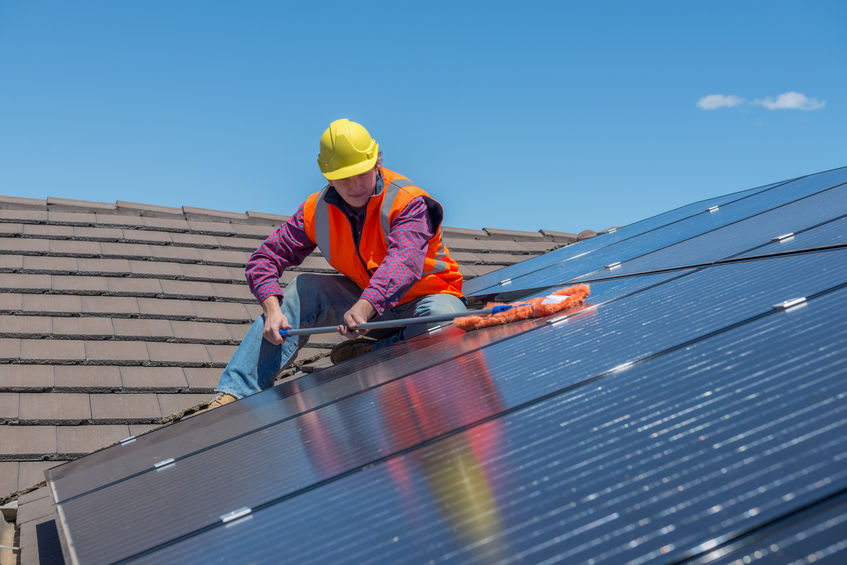
You installed solar panels to lower your electricity bills, become less dependent on the grid, and get the most out of California's sunshine. For the first few months, everything worked as expected. Then, without changing your lifestyle, you notice your monthly savings aren't what they used to be.
Most homeowners immediately think something is wrong with the solar panels themselves.
In reality, the problem is often much simpler.
The hidden reason your solar panels produce less energy is usually soiling, a term used for the buildup of dust, dirt, pollen, bird droppings, leaves, pollution, and wildfire ash on the surface of solar panels. According to the U.S. Department of Energy's National Renewable Energy Laboratory (NREL), soiling can significantly reduce photovoltaic (PV) system performance depending on local environmental conditions. In dry climates like much of California, these losses can become noticeable if panels are not maintained. (nrel.gov)
If you live in Norco, California, understanding what causes energy loss and how to prevent it can help you protect your investment and maximize your solar savings.
Why Are My Solar Panels Producing Less Energy?
This is one of the most common questions homeowners ask after installing a solar system.
The answer isn't always equipment failure.
Most of the time, reduced energy production is caused by environmental conditions rather than defective panels.
Some of the biggest causes include:
- Dust accumulation
- Bird droppings
- Wildfire ash
- Tree pollen
- Leaves and organic debris
- Shade from growing trees
- Poor maintenance
- Aging system components
- Loose electrical connections
- Damaged solar cells
Many of these problems develop gradually, making them difficult to notice until your energy production has already dropped.
The Biggest Hidden Problem: Dirt You Can't Easily See
Most homeowners only notice large debris.
However, the biggest performance loss often comes from something much smaller.
Fine dust.
Norco experiences long dry seasons, windy conditions, nearby horse properties, construction activity, and road dust. These tiny particles settle across the glass surface of solar panels every day.
At first, the layer is almost invisible.
Over time, it blocks sunlight from reaching the photovoltaic cells beneath the glass.
NREL explains that accumulated dust and airborne particles reduce the amount of sunlight available to generate electricity, lowering overall system performance. The amount of loss depends on local weather, pollution, rainfall, and surrounding land use. (nrel.gov)
Bird Droppings Don't Just Look Bad
One small bird dropping may not seem important.
Unfortunately, it can create a much bigger issue than most homeowners realize.
Unlike dust, bird droppings create concentrated shaded areas.
These shaded spots reduce the output of individual solar cells while neighboring cells continue generating electricity.
This uneven heating can create localized "hot spots" that may increase stress on the panel over time.
Regular solar panel cleaning helps remove bird droppings before they become baked onto the glass.
California Wildfire Ash Is Another Hidden Energy Killer
Wildfire season affects many California communities every year.
Even homeowners living miles away from active fires can find ash covering rooftops.
According to the U.S. Department of Energy, wildfire ash should be removed from solar panels because it reduces system efficiency. The DOE recommends using gentle cleaning methods such as soap and water and advises against pressure washers or conventional window-cleaning products that may damage panel surfaces. (energy.gov)
Ash particles are much finer than leaves.
They settle evenly across the panel, reducing the amount of sunlight reaching the cells.
Pollen Season Can Reduce Solar Performance Too
Spring brings beautiful weather to California.
It also brings pollen.
Trees, flowers, and grasses release fine pollen that sticks to glass surfaces, especially after morning dew or light moisture.
Over several weeks, pollen combines with dust and pollution to create a thin film that's difficult for light rain to remove completely.
Many homeowners don't realize pollen is affecting their solar production until summer arrives.
Shade Is Often a Growing Problem
Solar panels may have been installed in full sunlight years ago.
But landscapes change.
Trees grow.
Branches spread.
New construction appears.
Even small amounts of shade during peak sunlight hours can reduce energy production.
If your system suddenly begins producing less electricity, inspect nearby trees before assuming the panels themselves have failed.
When Dirty Panels Become Expensive
Reduced electricity production isn't the only consequence.
Ignoring dirty solar panels may also lead to:
- Higher utility bills
- Longer payback periods
- Lower return on investment
- Missed maintenance problems
- Hidden roof damage
- Undetected panel cracks
- Reduced system efficiency
Cleaning is often much less expensive than waiting until these issues affect your energy savings.
How Do You Know If Dirt Is Causing Energy Loss?
Many homeowners ask:
"How can I tell if my solar panels need cleaning?"
Look for these signs:
Electricity bills are increasing
If your energy usage hasn't changed but your bill has, reduced solar production may be part of the reason.
Solar monitoring shows lower production
Compare this month's production with similar weather conditions from previous months.
Panels look cloudy
Visible dust usually means invisible dust is also present.
Bird droppings remain after rain
Rain rarely removes stubborn organic material completely.
Wildfire ash covered your roof
Ash should be removed as soon as it is safe to do so.
Does Rain Clean Solar Panels?
This is one of the most searched questions by homeowners.
The simple answer is:
Not always.
Rain helps rinse away some loose dust.
However, sticky debris like bird droppings, pollen, mineral deposits, and wildfire ash often remain behind.
That's why professional solar maintenance is still recommended even in areas that receive seasonal rainfall.
Should You Clean Solar Panels Yourself?
DIY solar panel cleaning works for some homeowners.
But there are risks.
Common mistakes include:
- Using pressure washers
- Walking directly on panels
- Using abrasive brushes
- Cleaning hot panels during the afternoon
- Applying household cleaning chemicals
The DOE recommends gentle cleaning methods and avoiding products that could damage the glass or reduce performance. (energy.gov)
If your roof is steep or difficult to access, hiring a professional solar panel cleaning service is usually the safer option.
How Often Should Solar Panels Be Cleaned in California?
There isn't one schedule for every property.
Your cleaning frequency depends on:
- Nearby trees
- Dust exposure
- Horse properties
- Construction sites
- Bird activity
- Wildfire ash
- Local weather
Homes in Norco often experience higher dust levels than coastal areas, making regular inspections especially important.
Instead of waiting until production drops significantly, inspect your panels several times a year and clean them whenever visible buildup begins affecting performance.
Why Professional Solar Panel Cleaning Makes a Difference
Professional cleaning offers more than appearance.
Experienced technicians can:
- Remove stubborn dirt safely
- Inspect panels during cleaning
- Identify early signs of damage
- Check surrounding roof areas
- Clean without scratching the glass
If you're searching for solar panel cleaning in Norco, choosing an experienced company helps protect both your panels and your long-term investment.
Frequently Asked Questions
Can dirty solar panels really increase my electric bill?
Yes. If your solar panels generate less electricity because of dirt or debris, you'll rely more on grid power, which can increase your monthly bill.
Can bird droppings permanently damage solar panels?
They can contribute to localized hot spots and reduce efficiency if left on the surface for extended periods. Prompt cleaning is recommended.
Is professional solar panel cleaning worth it?
For many homeowners, yes. It helps restore performance, reduces safety risks associated with rooftop work, and gives the system a visual inspection at the same time.
What is the biggest cause of reduced solar efficiency in California?
Inland areas often deal with dust, pollen, bird droppings, and wildfire ash. These are among the most common causes of reduced solar output.
Final Thoughts
The hidden reason your solar panels produce less energy is rarely mysterious. More often than not, it comes down to gradual buildup that homeowners don't notice until energy production starts to fall. Dust, pollen, bird droppings, wildfire ash, and seasonal debris can all block sunlight and reduce the efficiency of your solar system.
For homeowners in Norco and across California, regular inspections and timely cleaning are simple yet effective ways to protect your investment. Instead of waiting for higher utility bills or disappointing solar performance, make solar panel maintenance part of your routine. A clean system captures more sunlight, performs more consistently, and helps you get the full value from every sunny day.
For Solar Panel Cleaning in California, Contact:
Office Mail
Office Number
951-236-3232
Located In
Norco, California