Sourabh Chandrakar's Mahadev: Myth, Music, and Modern Resonance
-

- Published Updated
- 1,661 views
"Sourabh Chandrakar Mahadev" names a contemporary artistic engagement with the figure of Shiva that blends devotional imagery, lyrical composition, and modern interpretation. This article examines the work commonly called "Mahadev" by Sourabh Chandrakar, outlining its origins, themes, formal features, and reception in cultural and scholarly contexts.
This article describes Sourabh Chandrakar's "Mahadev," highlighting its use of Shiva imagery, devotional and mythic themes, musical and poetic techniques, critical reception, and place within contemporary devotional arts. It references cultural and academic frames for interpreting modern works that evoke classical iconography.
Sourabh Chandrakar Mahadev: context and origins
The creative work titled "Mahadev" by Sourabh Chandrakar draws on long-standing Hindu mythological and devotional traditions centered on Shiva, often referred to as Mahadev (great god). Situating the piece requires attention to biographical details about the creator, the medium (whether song, poem, or multimedia performance), and regional traditions that inform imagery and musical choices. Textual motifs such as asceticism, cosmic dance (tandava), ash and crescent, as well as terms from Sanskrit and regional languages often appear in reinterpretations of Shiva in contemporary art.
Themes and symbolic imagery
Mythic archetypes and narrative focus
Central motifs in Mahadev include transformation, destruction as renewal, and the paradoxical union of ascetic and householder aspects of Shiva. The work reintroduces archetypal episodes—such as Shiva's tandava, his role as destroyer and protector, and the story of the churning of the ocean (Samudra Manthan)—to frame modern questions of identity, devotion, and social order.
Iconography and sensory detail
Visual and lyrical elements in the piece employ conventional iconography (trident, damaru drum, third eye) alongside more modern, sometimes urban, imagery to create resonance with contemporary audiences. Use of sensory detail—sound motifs, tactile descriptors, and landscape—helps bridge classical symbolism and present-day experience.
Language, form, and musicality
Poetic structure and linguistic registers
Depending on the medium, the work blends formal meters and traditional devotional forms (bhajan, kirtan rhythms) with colloquial language, producing a hybrid register that is at once reverent and accessible. Careful attention to rhyme, alliteration, and repetition amplifies the devotional affect and aids memorability.
Musical arrangement and performance
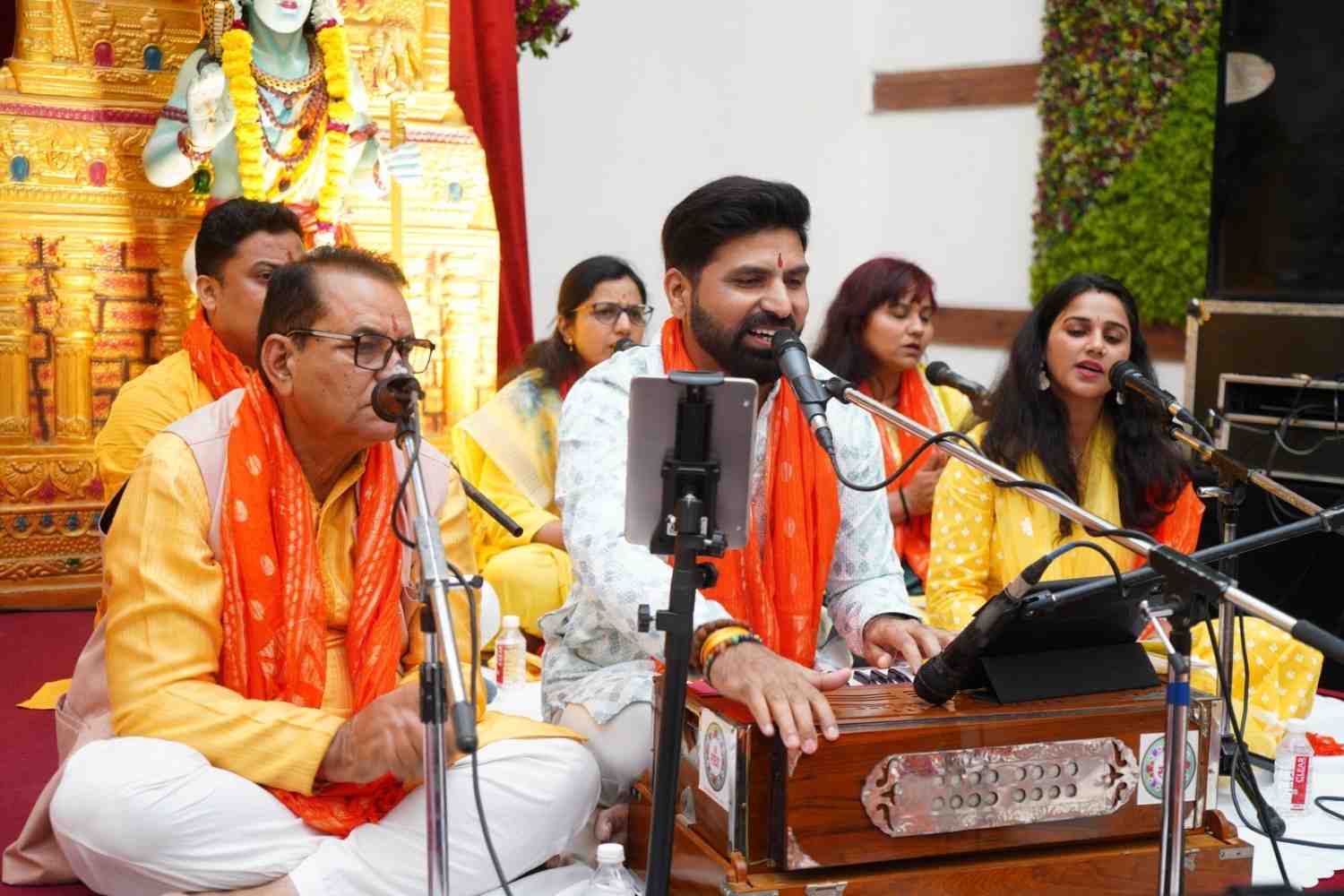
If presented as a musical composition, instrumentation often mixes classical elements (tabla, harmonium, tanpura) with contemporary textures (guitar, ambient synths). Performance context—temple gatherings, recorded albums, or live concerts—affects pacing and audience reception, and collaborations with vocalists or percussionists can shift the work's emphasis from contemplative to communal.
Cultural reception and critical interpretation
Public response and audience communities
The public reception of Mahadev typically varies across communities. Devotees may appreciate a renewed devotional expression, while literary and music critics analyze craft and innovation. In cultural studies, such works are often read as part of a broader revival or reinterpretation of religious themes in popular culture.
Scholarly perspectives and contextual resources
Scholarly approaches to contemporary devotional works recommend situating them within histories of religious poetry, regional devotional movements, and modern media dissemination. Institutions that document and promote Indian literature and culture provide background useful for interpretation; for reference on literary traditions and official catalogues, see the Sahitya Akademi repository at Sahitya Akademi.
Visuals, recordings, and preservation
Multimedia editions and documentation
Preservation of the work depends on available formats. Audio recordings, transcribed lyrics, and high-quality video of performances help sustain access for future audiences. Archival metadata—dates, performers, language, and instrumentation—assists libraries and digital platforms in classifying the piece for research and enjoyment.
Copyright, attribution, and ethical considerations
Attribution of lyrics, compositions, and arrangements should follow standard copyright practice. When the work draws on mythic or scriptural passages, distinguishing original material from traditional sources clarifies authorship and supports scholarly analysis.
Conclusion: standing of the work in contemporary devotional art
Sourabh Chandrakar's "Mahadev" reflects a continuing trend in which classical mythic figures are reimagined through modern artistic forms. Its use of familiar Shiva imagery, combined with accessible language and contemporary soundscapes, positions the work at the intersection of tradition and innovation. Readers and listeners can approach it as both devotional expression and as material for literary and cultural study.
FAQ: What is Sourabh Chandrakar Mahadev and why does it matter?
"Sourabh Chandrakar Mahadev" refers to a contemporary artistic work engaging the figure of Shiva. It matters because it illustrates how modern artists reinterpret religious archetypes for present-day audiences, creating dialogues between tradition, aesthetics, and social context.
How can someone find recordings or texts of Mahadev?
Searches in public music platforms, digital libraries, university archives, or regional cultural centers may locate recordings or transcriptions. Libraries and cultural institutions often catalog contemporary devotional works under regional language and religious genres.
Is Mahadev based on classical scriptures or original writing?
Elements of the work draw on classical scriptural motifs and iconography of Shiva, while original language, musical composition, and specific narrative choices represent the creator's unique contribution. Clear citation of sources and influences aids both listeners and researchers.
Can Mahadev be used in public performances or religious settings?
Use in public or religious settings depends on permissions from rights-holders and respect for local religious practices. Attribution and, where necessary, licensing should be arranged before public performance.