Understanding Spirit-Filled Churches: Beliefs, Practices, and Community
-

- Published Updated
- 1,688 views
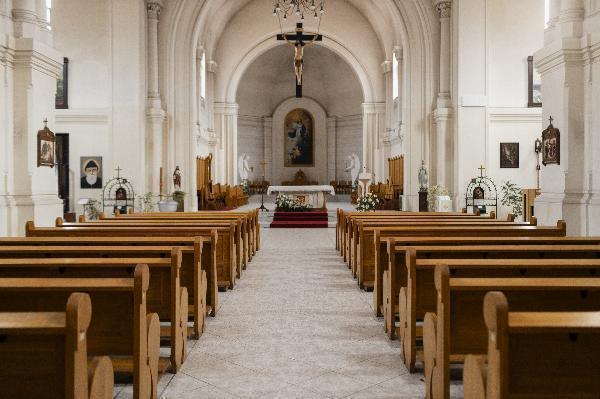
Spirit-filled churches are communities that emphasize the active presence of the Holy Spirit in worship, daily life, and ministry. This overview explains common beliefs, typical practices, historical context, and how these congregations relate to broader Christian traditions.
The term covers a range of denominations and independent congregations, including Pentecostal and charismatic movements, which share a focus on spiritual gifts, experiential worship, and community renewal.
- Spirit-filled churches prioritize the Holy Spirit's role in personal faith and public worship.
- Common practices include expressive worship, prayer for healing, prophecy, and the practice of spiritual gifts.
- Groups range from historic Pentecostal denominations to charismatic movements within mainline denominations.
- Research shows charismatic and Pentecostal traditions are among the fastest-growing segments of global Christianity.
Key Beliefs of Spirit-Filled Churches
The role of the Holy Spirit
Many Spirit-filled churches teach that the Holy Spirit is active and present today, guiding believers, empowering ministry, and producing spiritual fruit. Emphasis is placed on personal relationship with the Spirit and openness to guidance beyond formal liturgy.
Spiritual gifts and charismatic expression
Belief in spiritual gifts (charismata) is central. Commonly cited gifts include speaking in tongues, prophecy, healing, and discernment. Different congregations interpret and practice these gifts with varying levels of structure and oversight.
Scripture and experience
Scripture is generally regarded as authoritative, while personal and communal spiritual experience is considered a valid source of insight and confirmation. The balance between biblical interpretation and experiential faith differs among churches.
Baptism in the Spirit
Many Spirit-filled churches distinguish water baptism from a subsequent experience often called "baptism in the Holy Spirit," associated with empowerment for service and sometimes accompanied by manifestations such as speaking in tongues.
Practices and Worship
Worship style
Worship tends to be expressive and varied. Services may include contemporary music, spontaneous prayer, shared testimonies, extended times of singing, and moments set aside for healing or prophecy.
Prayer, healing, and ministry
Prayer for physical and emotional healing is common, often practiced publicly or in small groups. Pastoral teams and prayer ministries may facilitate intercession, laying on of hands, and counseling.
Speaking in tongues and interpretation
Speaking in tongues (glossolalia) is practiced in many Spirit-filled settings. Some congregations encourage private prayer in tongues, while others allow public utterances that are then interpreted for the congregation.
History and Global Trends
The modern Pentecostal movement emerged in the early 20th century and spread rapidly. Later charismatic renewals introduced similar emphases into mainline Protestant and Catholic contexts. Global studies and religious surveys indicate significant growth in Pentecostal and charismatic Christianity, particularly in Africa, Latin America, and parts of Asia.
For demographic and social research on religious movements, sources such as the Pew Research Center provide analysis of global trends and religious affiliation patterns. See an overview of religious demography and growth for further context at Pew Research Center.
Community, Leadership, and Organization
Leadership models
Leadership varies from structured denominational models with formal oversight to independent congregations led by local pastors or elders. Accountability structures differ, and some networks emphasize bishopric or apostolic oversight while others maintain congregational autonomy.
Community life and service
Many Spirit-filled churches prioritize community support, social outreach, and practical service. Programs often include youth ministries, counseling services, community aid, and mission work. Participation and lay involvement are commonly encouraged.
Common Misconceptions
Are Spirit-filled churches anti-intellectual?
Not necessarily. While some critics perceive a focus on experience over study, many Spirit-filled communities engage with theology, biblical scholarship, and sociological reflection. Academic institutions and seminaries have developed programs addressing charismatic theology and ministry practice.
Do all Spirit-filled churches look the same?
Practices and emphases differ widely. Urban, rural, historic, and emergent congregations may share core convictions about the Spirit while expressing worship and governance in culturally distinct ways.
Sources and Further Reading
For additional context, consult demographic studies and ecumenical bodies such as the World Council of Churches and national church councils. Academic research on Pentecostalism and charismatic renewal is available through theological libraries and university publications.
Frequently Asked Questions
What are Spirit-filled churches?
Spirit-filled churches are Christian congregations that emphasize the active presence and gifts of the Holy Spirit in worship and daily life. They often focus on prayer, charismatic gifts, and experiential faith alongside Scripture.
How do Spirit-filled churches view speaking in tongues?
Views vary: some congregations practice tongues as a common sign of the Spirit's presence, others permit private prayer in tongues, and some prioritize other gifts. Interpretation and public use of tongues follow different norms across communities.
Are Spirit-filled churches part of mainstream Christianity?
Many Spirit-filled communities are part of broader Christian denominations, while others are independent. They intersect with mainstream Christianity through shared creeds, sacraments, and participation in ecumenical conversations.
How to learn more or visit a local congregation?
Research local congregations' websites or contact church offices to learn about service times, worship style, and visitor expectations. Observing a service or attending a small-group meeting can offer insight into a congregation's practices and community life.