Sports Injury Predictor: Practical Guide to Contact Sport Risk Assessment
-

- Published Updated
- 297 views
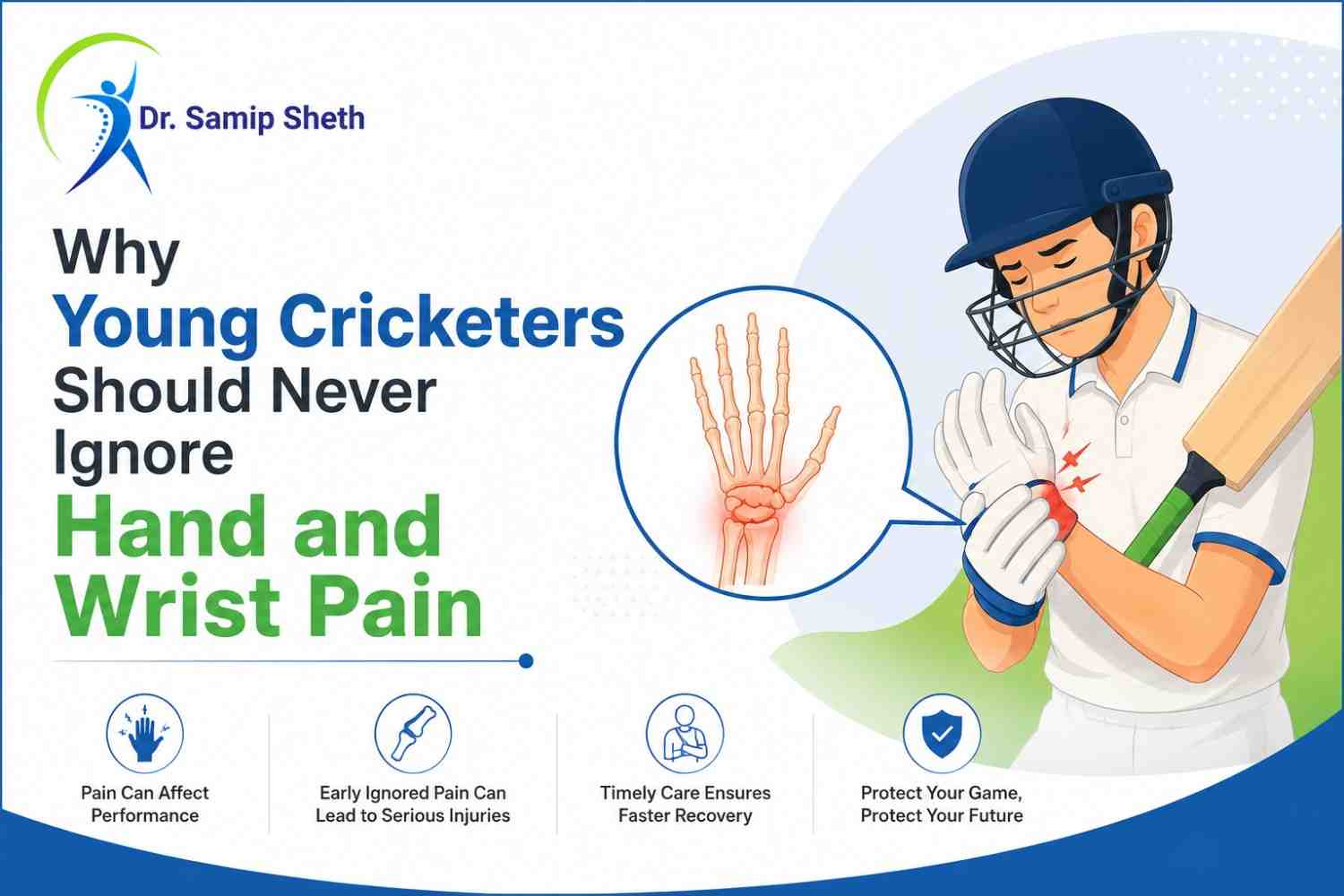
A sports injury predictor estimates the likelihood that an athlete will sustain a specific injury based on measurable inputs such as prior injuries, training load, biomechanics, and contextual factors. This guide explains how a sports injury predictor fits into contact sport risk assessment, what data and models are realistic, and how to use a structured checklist to put a practical program in place.
- What a sports injury predictor does and typical data sources (wearables, screening, competition exposure).
- P.R.O.T.E.C.T. checklist for implementation and governance.
- Practical steps, a short real-world example, and common mistakes to avoid.
How a sports injury predictor works
A sports injury predictor combines variables—demographics, previous injuries, training load, biomechanical tests, and environmental/contextual factors—into a risk score. Models can range from simple logistic regression to more complex machine learning models such as random forests or gradient-boosted machines. Inputs often include wearable load metrics, GPS-derived distance and speed, strength and mobility screening, and clinical history. The goal in contact sport risk assessment is prioritizing interventions where the predicted risk and potential harm are highest.
Data sources and typical predictors
Key data inputs
- Historical injury and medical history (type, severity, time since injury).
- Training and competition exposure (minutes, sessions, contact events).
- Load monitoring from wearable devices (acceleration, impacts, high-speed running).
- Movement screening and strength tests (hop tests, balance, hamstring strength).
- Contextual variables (age, position, playing surface, schedule congestion).
Related models and terminology
Common model types: logistic regression (interpretable), survival analysis (time-to-event), and machine learning (pattern detection). Synonyms and related terms include injury risk model for athletes, predictive analytics in sports medicine, and wearable load monitoring for injury prevention.
P.R.O.T.E.C.T. checklist for implementing a predictor
Use a named, repeatable checklist to keep implementation realistic and safe. The P.R.O.T.E.C.T. checklist covers governance, data, and action thresholds:
- Pre-season screening and baseline assessments
- Readiness tests and clinical evaluation
- Overload monitoring with wearable load monitoring and session logs
- Training load normalization (per position, age, and competition level)
- Equipment and environment checks (boots, field, protective gear)
- Clinical governance and athlete consent
- Triage and intervention thresholds defined and tested
Step-by-step: practical implementation for clubs and teams
1. Define scope and outcomes
Decide which injuries to predict (e.g., ACL tears, concussions, hamstring strains) and the timeframe (next session, next month, season). Narrowing the outcome improves model utility.
2. Collect consistent data
Standardize data collection: use the same screening protocols, synchronize wearable metrics definitions, and log exposures. Incomplete or inconsistent inputs are the most common source of poor model performance.
3. Choose the right model and interpretability
Select models that balance predictive power and explainability. For clinical decisions, interpretable models or post-hoc explanations are essential.
4. Define action thresholds and workflows
Translate risk scores into actions (e.g., physiotherapist assessment at >20% predicted risk, modified training at >40%). Embed the predictor into an operational workflow before relying on it for decisions.
Real-world example
A semi-professional rugby club implemented a contact sport risk assessment using baseline mobility screens, weekly wearable impact counts, and match exposure. A logistic regression model flagged several backs with elevated hamstring risk after a period of accelerated training volume. Those players received targeted eccentric strength sessions and load reduction for two weeks; subsequent monitoring showed normalized load-response and no hamstring injuries over the next 12 weeks.
Practical tips
- Prioritize data quality: small, clean datasets with consistent labels often outperform larger, messy datasets.
- Link risk outputs to predefined interventions so predictions change care rather than just produce numbers.
- Run regular model calibration and validation with new seasons to detect drift.
- Respect athlete privacy: anonymize data where possible and obtain clear consent for predictive use.
Trade-offs and common mistakes
Trade-offs
Accuracy vs. interpretability: more complex models may predict better but are harder to explain to coaching staff. Sensitivity vs. specificity: lower thresholds catch more at-risk athletes but increase false positives and unnecessary interventions.
Common mistakes
- Using incomplete injury labels or inconsistent definitions across seasons.
- Failing to account for exposure (risk per hour differs from risk per season).
- Relying solely on wearables without clinical screening or context.
Standards, governance, and best practices
Follow clinical and data-privacy standards for medical data and athlete consent. For general injury prevention guidance, refer to public health resources such as the CDC on sports injury prevention (CDC: Sports Injury Prevention). Maintain an audit trail for model decisions and periodic review by clinical staff.
Measuring success and continuous improvement
Monitor both predictive metrics (AUC, calibration) and operational outcomes (injury rates, days lost, intervention uptake). Perform prospective validation each season and adjust thresholds and input features based on new evidence.
FAQ
What is a sports injury predictor and can it prevent injuries?
A sports injury predictor estimates injury probability using historical and real-time data. It cannot prevent every injury but can prioritize monitoring and targeted interventions that reduce overall risk when integrated into a structured risk management program.
How reliable are injury risk models for contact sport risk assessment?
Reliability varies with data quality, outcome definition, and model choice. Transparent validation and calibration are required to assess reliability for a specific team or level.
What data should be prioritized for building an injury risk model for athletes?
Prioritize consistent exposure logs, validated movement screens, previous injury history, and standardized wearable metrics tied to training and match load.
Are wearable load monitoring devices necessary for prediction?
Wearables add valuable objective load and impact data but are not strictly necessary. Clinical screening and exposure records can still produce useful models, though wearables improve temporal resolution.
How should privacy and consent be handled when using predictive models on athletes?
Obtain explicit informed consent, anonymize or pseudonymize data where possible, limit access to clinical staff, and document data retention and deletion policies in line with local regulations.