How to Protect Skin From Sun Damage in Australia?
-

- Published Updated
- 9,505 views
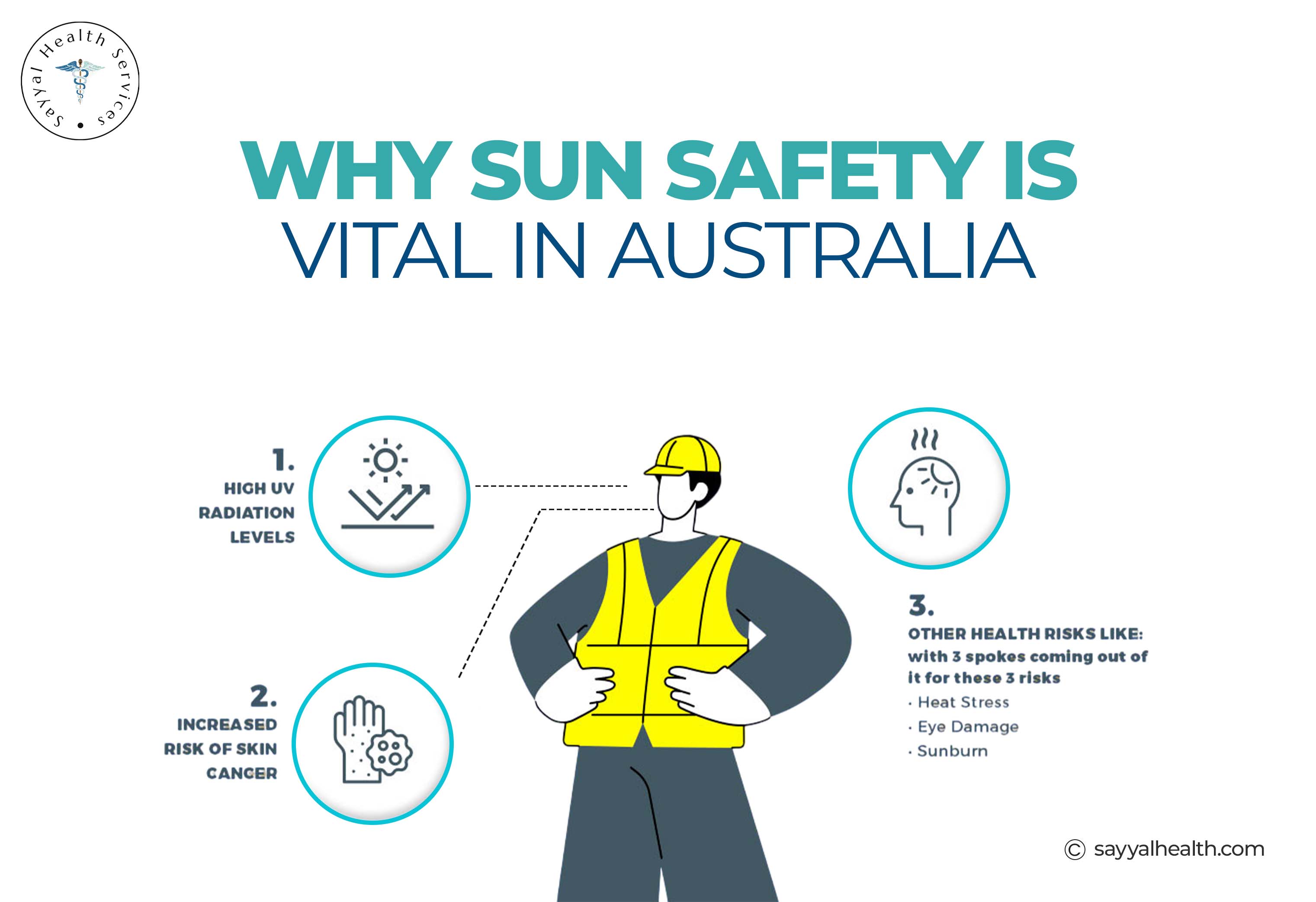
Australia is world-renowned for its stunning beaches and golden sunshine, but that beauty comes with a hidden cost: some of the highest levels of ultraviolet (UV) radiation on the planet. For residents and visitors alike, understanding how to shield your body from these rays is not just about avoiding a painful burn; it is a critical defense against skin cancer.
In this guide, you will learn the latest expert-backed strategies for sun safety, how to interpret the UV Index, and the best ways to incorporate protection into your daily routine.
What is Skin Cancer?
Skin cancer is the out-of-control growth of abnormal skin cells. It occurs when unrepaired DNA damage to skin cells most often caused by ultraviolet radiation from the sun or tanning beds triggers mutations. These mutations lead the skin cells to multiply rapidly and form malignant tumors.
The three most common types include:
- Basal Cell Carcinoma (BCC): The most common but least dangerous if caught early.
- Squamous Cell Carcinoma (SCC): Can spread to other parts of the body if untreated.
- Melanoma: The most dangerous form, which can be fatal if not detected and treated promptly.
Why is Australia's Sun Different?
Many people believe that heat causes sunburn, but it is actually UV radiation, which cannot be seen or felt. In Australia, the ozone layer is thinner than in the Northern Hemisphere, and the Earth's orbit brings us closer to the sun during our summer. This combination means UV levels can reach "Extreme" (11+) in minutes, even on cool or cloudy days.
The Five Pillars of Sun Protection: Slip, Slop, Slap, Seek, Slide
Since 2026, health authorities like the Cancer Council and ARPANSA have doubled down on the "Five S" method as the gold standard for prevention.
Slip on Sun-Protective Clothing: Wear loose-fitting, closely woven fabrics. Look for an Ultraviolet Protection Factor (UPF) of 50+.
Slop on SPF 50+ Sunscreen: Apply broad-spectrum, water-resistant sunscreen 20 minutes before heading out.
Slap on a Hat: Choose a broad-brimmed, bucket, or legionnaire-style hat that protects the face, ears, and back of the neck.
Seek Shade: Use trees, umbrellas, or built-in structures, especially between 10:00 AM and 4:00 PM.
Slide on Sunglasses: Ensure they meet Australian Standard AS/NZS 1067 and feature a wraparound style to block peripheral rays.
Advanced Strategies for Maximum Protection
1. Understanding the UV Index
The UV Index is a daily forecast of the intensity of UV radiation. Sun protection is required whenever the UV Index reaches 3 or higher.
Low (1-2): Minimal danger for the average person.
Moderate to High (3-7): Protection is essential.
Very High to Extreme (8-11+): Extra precautions are needed; try to stay indoors during the middle of the day.
2. The "Teaspoon Rule" for Sunscreen
Most Australians do not apply enough sunscreen, effectively reducing an SPF 50+ to an SPF 15. To achieve full protection, follow the 7-teaspoon rule (approximately 35ml for a full adult body):
1 tsp for the face, neck, and ears.
1 tsp for each arm.
1 tsp for each leg.
1 tsp for the front of the torso.
1 tsp for the back of the torso.
3. TGA Regulations and Sunscreen Quality
In 2026, the Therapeutic Goods Administration (TGA) updated its oversight of sunscreens sold in Australia. Always ensure your product is TGA-listed, as this guarantees the SPF claims have been rigorously tested against Australian standards.
Pros and Cons of Common Sun Protection Methods
Method |
Pros |
Cons |
Mineral Sunscreen |
Immediate protection; great for sensitive skin. |
Can leave a white cast; often thicker to apply. |
Chemical Sunscreen |
Lightweight; invisible finish; easy for daily wear. |
Requires 20 mins to "set"; may irritate some skin. |
UPF Clothing |
Reliable, constant protection; won't rub off. |
Can be hot to wear in extreme humidity. |
Shade Structures |
Reduces direct UV exposure significantly. |
Does not protect from UV reflected off sand or water. |
Frequently Asked Questions
Can I get skin cancer if I have dark skin?
Yes. While higher melanin levels provide some natural protection, everyone is at risk of DNA damage from UV rays. In darker skin tones, skin cancer is often diagnosed at a later, more dangerous stage.
Does "Water-Resistant" mean I don't need to reapply?
No. Even "4-hour water-resistant" sunscreens should be reapplied every two hours. The labeling means the sunscreen maintains its SPF for a certain period while you are in the water, but it can still be wiped off by towels or sweat.
Is an SPF 100 better than an SPF 50?
The difference is marginal. SPF 50 filters about 98% of UVB rays, while SPF 100 filters about 99%. The most important factor is the quality of application and the frequency of reapplication, rather than the number on the bottle.
Are spray sunscreens effective?
Aerosol sprays are popular but often result in uneven coverage. If using a spray, ensure you apply a visible layer and rub it in thoroughly to avoid "missed spots."
Conclusion
Australia’s sun is intense, but skin cancer is one of the most preventable forms of the disease. By checking the UV Index daily and adhering to the "Slip, Slop, Slap, Seek, Slide" protocol, you can enjoy the Australian lifestyle while keeping your skin youthful and healthy.