SSC Stenographer Previous Year Question Paper: A Complete Guide for Smarter Preparation
-

- Published Updated
- 34 views
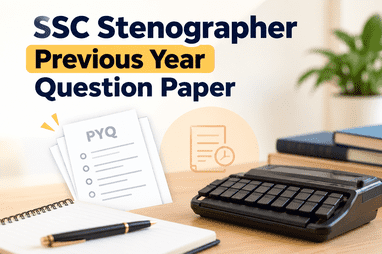
Preparing for the SSC Stenographer examination requires more than simply reading the syllabus and completing study material. Candidates need to understand the examination pattern, practise different types of questions, improve accuracy, manage time effectively, and regularly evaluate their preparation. One of the most useful resources for achieving these goals is the SSC Stenographer previous year question paper.
Previous-year papers provide candidates with an opportunity to experience questions based on the actual examination style. They can be used at different stages of SSC Stenographer preparation, from understanding the exam pattern in the beginning to testing speed and accuracy during the final phase.
For more details you can visit- https://ifasonline.com/ssc-exam/ssc-stenographer-previous-year-question-paper/69e74ac7dee415247300a51f/6aa24553374c4b6a41f74da2/69e74b54dee415247300a5d2
Why Are SSC Stenographer Previous Year Papers Important?
The SSC Stenographer examination covers different areas that require regular practice. Although the syllabus provides a broad idea of what candidates need to study, previous-year questions demonstrate how those concepts are converted into actual questions.
By solving SSC Stenographer PYQs, aspirants can become familiar with question formats, recurring concepts, difficulty levels, and the overall structure of the examination. This makes preparation more practical and allows candidates to identify which areas deserve greater attention.
Previous-year papers can also help candidates avoid spending too much time on topics that may not require extensive practice while highlighting areas where repeated mistakes occur.
Understand the SSC Stenographer Exam Pattern
Understanding the SSC Stenographer exam pattern is an important first step in preparation. Candidates should know the sections involved, the nature of questions, the expected difficulty level, and the importance of completing the paper within the available time.
Rather than relying entirely on assumptions, aspirants can analyse previous papers to understand how questions are presented. This can help create a more realistic SSC Stenographer study plan.
A useful approach is to initially solve previous-year questions without worrying too much about speed. The objective at this stage is to understand the type of questions being asked and connect them with the relevant topics from the SSC Stenographer syllabus.
Identify Important Topics Through PYQ Analysis
One of the biggest advantages of previous-year question papers is that they can reveal patterns in the questions.
While analysing SSC Stenographer PYQs, candidates can maintain a simple list of topics they encounter frequently. They can then compare those observations with their study material and syllabus.
For example, if a particular type of question repeatedly causes difficulty, it can be added to a personal revision list. This approach is more useful than repeatedly revising everything without measuring performance.
Topic-wise PYQ practice can therefore become an important part of an effective SSC Stenographer preparation strategy.
Improve Speed and Accuracy
Knowing the correct answer is only one part of competitive examination preparation. Candidates must also be able to reach that answer within the available time.
Regular practice with SSC Stenographer previous year papers can help candidates gradually improve their speed. After becoming comfortable with the question types, aspirants can start attempting complete papers under timed conditions.
However, speed should not come at the expense of accuracy. A better strategy is to first build accuracy and then gradually increase solving speed.
Candidates can record the number of questions attempted, correct answers, incorrect answers, and questions left unanswered. Comparing these results across multiple practice sessions can provide a clearer picture of progress.
Analyse Mistakes After Every Practice Session
Simply completing an SSC Stenographer practice paper does not guarantee improvement. The analysis that follows is equally important.
After completing a paper, candidates should review incorrect answers and determine why the mistake happened. It could be a lack of conceptual understanding, confusion between options, careless reading, calculation errors, or poor time management.
Maintaining a mistake notebook can make this process easier. Important errors can be recorded along with the correct concept or solution. Revisiting these points during revision can help reduce the chances of repeating the same mistakes.
Use Previous-Year Papers With the SSC Stenographer Syllabus
Previous-year papers should not replace conceptual study. Instead, they should complement the SSC Stenographer syllabus and study material.
A practical preparation cycle can follow this sequence:
Learn → Practise → Solve PYQs → Analyse → Revise → Repeat
First, understand the relevant concept. Next, practise basic questions to build confidence. After that, attempt related previous-year questions and analyse the results. Finally, revise weak areas before moving forward.
This approach allows candidates to connect theoretical preparation with actual examination practice.
Previous-Year Papers for Revision
PYQs become particularly valuable during revision. Instead of reading every chapter from the beginning, candidates can use previous-year questions to identify topics that still require attention.
During the final stage of SSC Stenographer preparation, candidates can attempt complete papers under examination-like conditions. This can help improve familiarity with the paper and create a better sense of time management.
Repeated practice can also make candidates more comfortable with the pressure of solving questions within a fixed time.
Combine PYQs With Mock Tests
Previous-year papers and mock tests serve slightly different purposes and can work well together.
Previous-year questions help candidates understand the style and nature of questions that have appeared previously, while mock tests provide additional opportunities to practise under simulated examination conditions.
A balanced preparation routine can therefore include the SSC Stenographer previous year question paper, topic-wise practice, full-length mock tests, revision sessions, and regular performance analysis.
How to Make the Most of SSC Stenographer PYQs
Candidates can follow a few simple steps when using previous-year papers:
- Start by solving questions topic-wise.
- Gradually move towards complete papers.
- Attempt papers within a fixed time limit.
- Record incorrect and unanswered questions.
- Identify recurring weak topics.
- Revise the concepts behind mistakes.
- Reattempt difficult questions after revision.
- Compare performance across multiple practice sessions.
The goal should not simply be to complete as many papers as possible. The real value comes from understanding mistakes and improving performance with every attempt.
FAQs About SSC Stenographer Previous Year Question Papers
1. Why should I solve SSC Stenographer previous year question papers?
Previous-year papers help candidates understand the question pattern, difficulty level, commonly tested areas, and overall examination structure. They can also support better time management and accuracy.
2. When should I start solving SSC Stenographer PYQs?
Candidates can start using PYQs once they have covered the basic concepts of a topic. They can then gradually increase their practice and eventually attempt complete papers under timed conditions.
3. Are previous-year papers enough for SSC Stenographer preparation?
No. PYQs are an important preparation resource, but they should be combined with syllabus coverage, conceptual learning, revision, practice questions, and mock tests.
4. How should I analyse an SSC Stenographer practice paper?
Review every incorrect and unanswered question. Identify the reason for the mistake, revise the relevant concept, and note recurring problem areas for future revision.
5. Can PYQs improve SSC Stenographer time management?
Yes. Regularly attempting questions under timed conditions can help candidates become more familiar with the pace required during the examination and improve question-selection skills.
6. Should I solve previous-year papers more than once?
Reattempting selected questions can be useful, particularly when they belong to topics where mistakes were previously made. However, candidates should focus on understanding the underlying concept rather than memorising answers.
Final Takeaway
The SSC Stenographer previous year question paper can be much more than a collection of old questions. When used correctly, it becomes a tool for understanding the examination, identifying weak areas, improving accuracy, practising time management, and making revision more focused.
For a stronger SSC Stenographer preparation strategy, combine previous-year papers with the syllabus, conceptual study, regular practice, mock tests, and detailed performance analysis. The objective should be simple: learn from every paper and use each practice session to improve the next one.