How to Choose the Best Stainless Steel Bento Lunch Box: Materials, Features, and Care
-
- March 29th, 2026
- 227 views

Get a free topical map and start building content authority today.
Choosing a stainless steel bento lunch box means prioritizing durability, food safety, and reusability over plastic alternatives. This guide explains material grades, compartment styles, sealing and insulation options, and practical care so an informed choice can be made before purchase.
- Detected intent: Commercial Investigation
- Focus on 18/8 (304) food‑grade stainless steel for most uses; consider weight and insulation needs.
- Decide between single‑wall (lightweight) and double‑wall insulated (keeps hot/cold) depending on meals.
- Check lid seals and compartment design for leak resistance and portion control.
- Follow the S.T.E.E.L. Bento Checklist before buying and use simple cleaning steps to extend life.
Choosing a Stainless Steel Bento Lunch Box
Key buying factors for a stainless steel bento lunch box include the metal grade, wall construction (single vs. insulated), compartment layout, sealing method, and lid materials. Clear decisions on these aspects prevent surprises after purchase and ensure the container matches real lunch needs—school, office, or travel.
Why stainless steel: advantages and limitations
Stainless steel is durable, resists staining and odors, and is typically free of bisphenol A (BPA). High chrome‑nickel alloys like 18/8 (304) stainless steel are widely used for food contact because they balance corrosion resistance and affordability. However, stainless steel is heavier than plastic, and single‑wall boxes do not insulate. Magnetic properties, polish, and finishing affect appearance and scratch visibility.
Key features and trade-offs to compare
Material grade (18/8, 304, 316)
18/8 (often labeled 304) is common and food‑safe for most meals. 316 offers slightly better corrosion resistance for salty or acidic foods but costs more. For everyday lunches, 18/8 (304) provides a strong balance of performance and price.
Single‑wall vs. double‑wall insulated
Single‑wall boxes are lighter and slimmer for sandwiches and salads. Double‑wall insulated containers keep food hot or cold longer but add weight and cost. The trade-off is between thermal performance and portability.
Compartment design and portioning
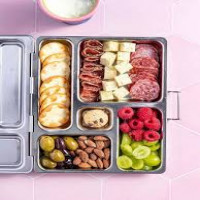
Bento layouts vary from fixed stainless dividers to removable plastic inserts. Fixed dividers are durable and easy to clean; removable inserts can improve flexibility but introduce extra parts to manage and may include nonmetal surfaces that require separate cleaning instructions.
Sealing, lids, and leak resistance
Consider whether the lid uses a silicone gasket, clip locks, or a press‑fit design. Gaskets improve leak resistance but require care when cleaning. Completely leakproof performance is rare in multi‑compartment metal boxes without specialized lids; evaluate the expected meal types (soups vs. dry foods) and choose accordingly.
S.T.E.E.L. Bento Checklist (named framework)
Use the S.T.E.E.L. checklist before buying to compare models quickly.
- Size & capacity — Does it fit typical portions and any included accessories?
- Type of wall — Single or insulated double wall?
- Ease of cleaning — Dishwasher safe or handwash only; removable parts?
- Engineering of seal — Gasket quality, clips, and leak test evidence.
- Lid materials & safety — Food‑grade lids, BPA‑free plastics if present, and venting.
How to clean and maintain (stainless steel bento box care and cleaning)
Daily cleaning steps
Rinse immediately after use to prevent staining from sauces. Wash with warm soapy water and a soft sponge, paying attention to gasket grooves. Dry thoroughly to avoid water spots.
Dealing with odors and stains
For persistent odors or stains, soak in a solution of baking soda and warm water or use a diluted vinegar rinse. Avoid abrasive steel wool on polished finishes; a soft nylon pad removes food residue without scratching.
Food contact safety
For claims about food‑contact safety and materials, refer to official guidance from regulatory authorities such as the U.S. Food and Drug Administration on packaging and food contact substances: FDA guidance on packaging and food contact materials.
Practical tips for use
- Preheat or prechill insulated boxes with hot/cold water for better temperature retention during use.
- Pack liquids in a separate leakproof container if the bento is not explicitly labeled leakproof.
- Store gaskets separately when long‑term drying is needed to prevent trapped moisture and mold.
- Use silicone food cups to separate wet and dry foods in fixed‑divider boxes without adding more containers.
Common mistakes and trade-offs
Expecting full leakproof performance from multi‑compartment metal boxes
Many multi‑compartment stainless steel boxes are designed for dry foods and are not fully leakproof for soups or dressings. For meals with sauces, consider a small sealed dressing container.
Choosing the heaviest option for insulation
Some shoppers assume heavier equals better insulation. While insulated double‑wall options hold temperature longer, quality of seals and lid fit matter equally for practical performance.
Overlooking lid material
Lids may include silicone or plastic components that are not as durable as the steel base—check replacement gasket availability and compatibility with dishwashers.
Real‑world example
Scenario: A commuter needs a balanced midday meal—hot curry and rice plus a cold salad. A double‑wall insulated stainless steel box with a removable inner divider plus a separate small leakproof sauce container keeps the curry warm and the salad crisp. The commuter preheats the insulated container with hot water, packs the curry in the insulated compartment, and stores the sauce in a small sealed cup to avoid leaks. Daily rinses and a weekly baking soda soak prevent lingering odors.
Core cluster questions
- What grade of stainless steel is best for food storage?
- How to pack liquids in a bento without leaks?
- Which bento layouts are best for portion control and meal prep?
- How does insulated stainless steel compare to plastic thermo boxes?
- What are the maintenance steps to prevent rust and odors?
FAQ
Is a stainless steel bento lunch box leakproof?
Not always. Leakage depends on lid design and gasket quality. Multi‑compartment stainless steel lunch boxes are often not fully leakproof for liquids—use sealed inner cups for dressings and soups unless the product explicitly states leakproof performance.
How should a stainless steel bento box be cleaned?
Handwash with warm soapy water, clean gasket grooves, and dry thoroughly. Many stainless steel boxes are top‑rack dishwasher safe, but check manufacturer guidance and remove any silicone gaskets before high‑heat cycles where recommended.
What stainless steel grade is best for a bento box?
18/8 (304) stainless steel is the common recommendation for a balance of corrosion resistance, safety, and cost. For more aggressive environments (high salt or coastal use), 316 grade has better resistance but at higher cost.
Can a stainless steel bento lunch box keep food hot?
Double‑wall insulated stainless steel boxes retain heat longer than single‑wall ones. Performance varies by wall thickness, lid fit, and preheating—double‑wall designs are recommended when warm food retention is important.
Are there common mistakes when buying a stainless steel bento?
Yes. Common mistakes include choosing an unnecessarily heavy insulated model for simple sandwiches, assuming compartments are leakproof, and not checking gasket replacement options. Use the S.T.E.E.L. checklist to avoid these pitfalls.