How To Use A Steam Cleaner: A Complete Guide
-

- March 25th, 2026
- 7,776 views
Nobody enjoys spending their entire afternoon on their hands and knees scrubbing floors and surfaces with chemical-loaded products that barely do the job anyway. It's exhausting, it's time-consuming, and half the time the results are just... underwhelming. There has to be a better way — and honestly, there is.
Steam cleaning flips the whole thing on its head. Instead of chemicals and elbow grease, you are working with nothing but hot pressurized steam that cuts through dirt, wipes out bacteria, and leaves surfaces genuinely clean. No residue, no harsh smells, no damage to the environment. Just clean.
Whether you are a homeowner trying to keep things tidy, a business owner maintaining a workspace, or someone in Bergen County looking into steam cleaner rental in Bergen County before committing to a purchase — this guide breaks down everything you need to know from start to finish.
What is a Steam Cleaner and How Does It Work
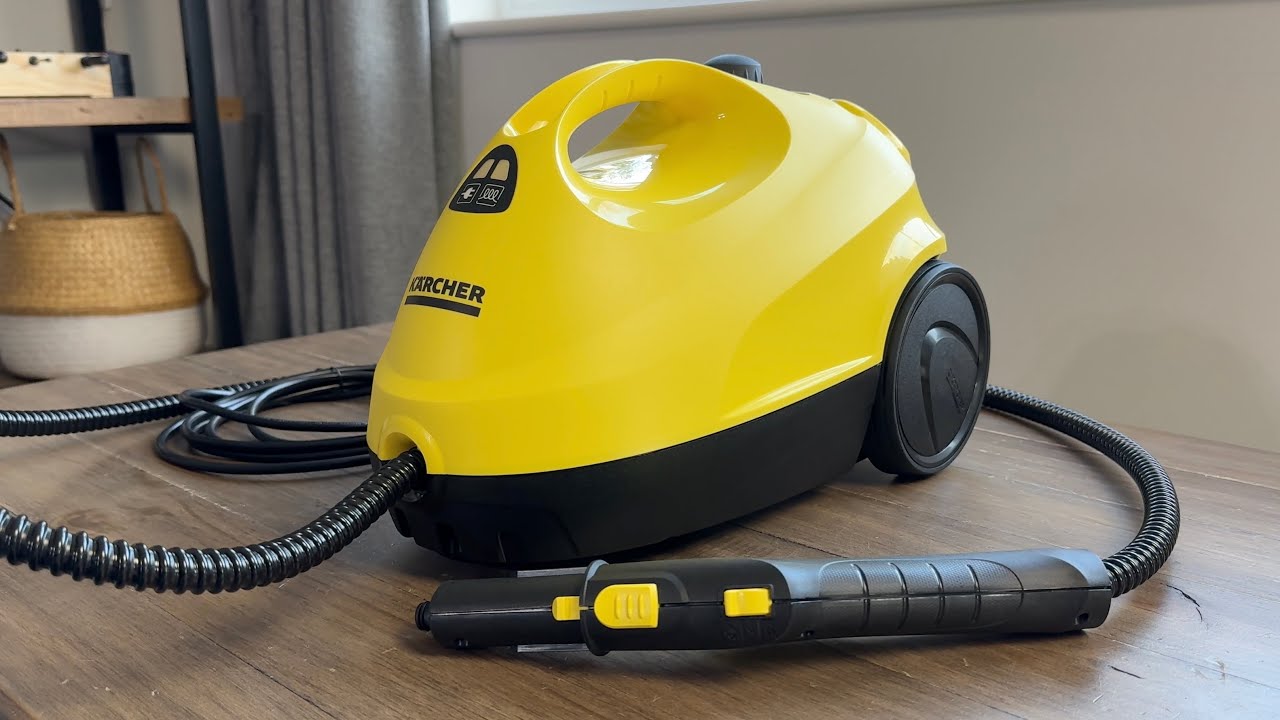
Here is the short version — a steam cleaner heats water until it becomes pressurized steam, then pushes that steam through an attachment or nozzle onto whatever surface you are cleaning. The combination of heat and pressure does the heavy lifting, loosening stubborn grime, killing off bacteria, and sanitizing without a single drop of chemical cleaner involved.
What really stands out is the temperature. Steam reaches levels high enough to eliminate up to 99 percent of bacteria and allergens on contact. For families with young kids, pets running around, or anyone dealing with allergies — that is a genuinely big deal. It is not just cleaning. It is actually sanitizing.
Types of Steam Cleaners
Knowing what kind of machine you are dealing with makes everything easier. Here is a quick rundown of what is out there.
Handheld Steam Cleaners
Compact, light, and easy to grab when you need a quick fix. These are perfect for targeting grout lines, tile edges, small countertops, and tight corners. Not built for whole-room cleaning but absolutely brilliant for spot jobs.
Cylinder or Canister Steam Cleaners
Bigger tanks, more power, and a whole lot of attachments to work with. These are the machines that get serious cleaning done. A proper professional steam cleaner setup almost always involves a canister style unit when thorough, detailed work is on the agenda.
Steam Mops
Looks like a regular mop, works like a completely different beast. Instead of pushing dirty water around, a steam mop blasts hot steam directly onto hard floors and lifts dirt right up. Tile, vinyl, laminate — these handle all of it beautifully.
Vapor Steam Cleaners
The steam these produce is drier — less moisture content, faster drying time, lower risk of damage to sensitive surfaces. If you are working on upholstery or anything that does not love getting wet, vapor steam is the smarter call.
Multifunction Steam Cleaners
The ultimate all-rounder. Floors, counters, grout, upholstery, car interiors — one machine, a pile of attachments, endless possibilities. A commercial steam cleaner of this type is exactly what cleaning businesses and facility managers across Bergen County reach for when they need something that handles everything without switching machines.
What Can You Clean with a Steam Cleaner
Honestly, the list is pretty impressive. Hard floors, ceramic tiles, carpets, rugs, kitchen appliances, stovetops, bathroom grout, shower walls, sofas, curtains, car seats, windows, mirrors — steam cleaning covers an enormous range of surfaces. If a surface can handle a bit of heat and light moisture, chances are a steam cleaner can work on it.
What You Need Before You Start
A little preparation goes a long way here. Start by picking the right machine for the job — a handheld unit is not the right tool for cleaning an entire warehouse floor, and a heavy canister model might be overkill for cleaning a bathroom countertop.
Round up your attachments next. Flat pads for floors, stiff brushes for grout, pointed nozzles for tight gaps — having the right attachment ready before you start saves a lot of back-and-forth mid-job.
One thing a lot of people skip — always use distilled or demineralized water. Regular tap water is loaded with minerals that slowly build up inside the tank and eventually wreck the machine. Distilled water costs very little and adds years to your machine's life. And seriously, read the manual before you start. It takes five minutes and answers most of the questions you are going to have anyway.
How To Use A Steam Cleaner Step by Step
Fill the Water Tank
Pour distilled water into the tank carefully, stopping at the fill line. Do not overfill — it causes problems. Cap it tight before powering on.
Let the Machine Heat Up
Patience here pays off. Give the machine its full warm-up time — usually a few minutes — before you start spraying steam. The indicator light will tell you when it is ready. Starting too early means weak steam and disappointing results.
Choose the Right Attachment
Match the attachment to the surface. Floor pad for hard floors, scrub brush for grout and tiles, soft attachment for fabric and upholstery. Using the wrong attachment either damages surfaces or just does not clean properly — neither is ideal.
Test on a Small Area First
Before going full speed, test the steam on a small, hidden section of whatever you are cleaning. This is non-negotiable with upholstery, carpet, and anything delicate. A quick test saves you from a big mistake.
Start Cleaning in Sections
Break the area into manageable sections and work through them one at a time. Do not try to blast through everything at once. Slow, steady movement gives the steam time to actually penetrate and do its job properly.
Wipe Away Loosened Dirt
Right after steaming a section, go over it with a clean cloth to pick up everything the steam has broken loose. This is where the visible difference really shows up — the surface goes from grimy to genuinely clean.
Let the Surface Dry
Steam leaves behind very little moisture, but letting the surface dry fully before putting things back or walking on it is still the right move. A few extra minutes of drying time makes a noticeable difference in the final result.
Tips for Best Cleaning Results
Slow down — seriously, this one tip alone will transform your results. Most people move too fast and wonder why the steam is not doing much. Pair that with always matching your attachment to the surface, never hovering in one spot too long, and cleaning your attachments after every session. Work from the top of a room downward too — that way any loosened debris falls onto areas you have not hit yet and nothing gets double-dirty.
Common Mistakes to Avoid
Tap water in the tank is probably the single most common mistake and it quietly destroys machines from the inside out. Not waiting for a full heat-up is another — weak steam barely touches stubborn dirt. Holding the steamer too close to delicate surfaces causes damage that is sometimes irreversible. And skipping the wipe-down step after steaming leaves surfaces looking streaky and unfinished rather than actually clean.
Surfaces You Should Never Steam Clean
Steam is powerful but it is definitely not a one-size-fits-all solution. Unsealed hardwood floors are a no-go — moisture seeps in and warps the wood badly. Cold glass windows can crack from the sudden temperature shift. Painted walls, waxed surfaces, and delicate or loosely woven fabrics should all stay well away from the steam nozzle. When in doubt, test a tiny hidden spot first or skip it entirely.
How to Maintain Your Steam Cleaner
Your machine works hard for you — return the favor. Descale the water tank on a regular schedule to clear out any mineral buildup that sneaks in over time even with distilled water. Store it empty and somewhere dry. Check your attachments regularly and swap out anything that is worn or damaged. A machine that gets basic, consistent care will outlast a neglected one by years — easily.
For anyone in Bergen County who is not quite ready to buy a full setup yet, checking out floor cleaning machine rentals is a genuinely smart move. You get access to professional grade equipment, try out different machine types, and get great results — all without dropping serious money upfront.
Conclusion
Steam cleaning really is one of those things that once you try it properly, you wonder how you ever cleaned without it. Chemical-free, deeply effective, and surprisingly versatile — it works across more surfaces than most people expect. Whether you already own a professional steam cleaner or you are just getting started by exploring steam cleaner rental in Bergen County, the approach is the same — learn the right technique, avoid the rookie mistakes, and let the steam do what it does best. Cleaner spaces genuinely change the feel of a home or business. And honestly, you deserve results that actually match the effort you put in.
Frequently Asked Questions
How long does a steam cleaner take to heat up
Warm-up time varies depending on the model but most machines are ready to go within three to five minutes. Higher end commercial units often heat up a bit faster. Either way — always wait for the ready signal before starting. Rushing it gives you weak steam and weak results every single time.
Can a commercial steam cleaner be used on all floor types
Most hard floor surfaces handle commercial steam cleaning just fine — tile, vinyl, laminate, and sealed hardwood all respond well. The ones to avoid are unsealed hardwood and highly sensitive specialty flooring. When you are unsure, check the flooring manufacturer's guidelines and your machine manual before going ahead with any steam cleaning session.
Is steam cleaner rental in Bergen County a good option
Renting makes a lot of sense — especially if deep cleaning is something you only tackle a few times a year. You get access to powerful, professional grade machines without the full purchase price. Most rental options come loaded with attachments too, so you are not limited in what you can clean. Smart, flexible, and genuinely cost effective.
Learn More:
https://pressurekinginc.com/floor-cleaning-machine/steam-cleaners/