How to Get a Certified Translation Portuguese to English — Step-by-Step Guide
-
- Published Updated
- 448 views
Obtaining a certified translation Portuguese to English is often required for immigration, legal, academic, and official purposes. This guide explains the exact steps, documents, and verification needed so the translation will be accepted by government agencies and institutions.
Detected intent: Informational
How to get a certified translation Portuguese to English: step-by-step
1. Confirm the exact requirement from the receiving authority
Before commissioning a translation, verify what the receiving institution requires. Government agencies, courts, universities, and employers may have different standards: some accept a translator's signed certification, others require a notarized affidavit or a translation from a specific certified body. Always check official instructions from the agency or institution.
Example authoritative resource: American Translators Association consumer guidance.
2. Choose the correct type of certified translation
Understand the difference between common terms:
- Certified translation: Translator signs a statement declaring the translation is accurate and complete.
- Notarized translation: The translator's signature is notarized by a notary public.
- Sworn translation / sworn translator: A translator authorized by a court or government to certify translations (varies by country).
3. Hire an appropriate translator or service
Look for a translator with experience translating Portuguese to English for the document type (e.g., birth certificates, diplomas, court records). If a credential is required, confirm the translator meets the receiving authority's credential requirements. Include the secondary keyword "Portuguese to English certified translator requirements" in communications to verify qualifications.
4. Provide clear originals and specify formatting
Supply high-quality scans or the original documents. Request that the translator mirror formatting, punctuation, and annotations. If seals or stamps are present, ensure they are visible in the images and referenced in the translation.
5. Obtain the certification statement
The translator should provide a signed certification statement that typically includes the translator's name, contact information, a statement of competence, a declaration that the translation is complete and accurate, and the date and signature. If required, have the signature notarized or accompanied by a translator affidavit.
6. Add notarization or apostille only if required
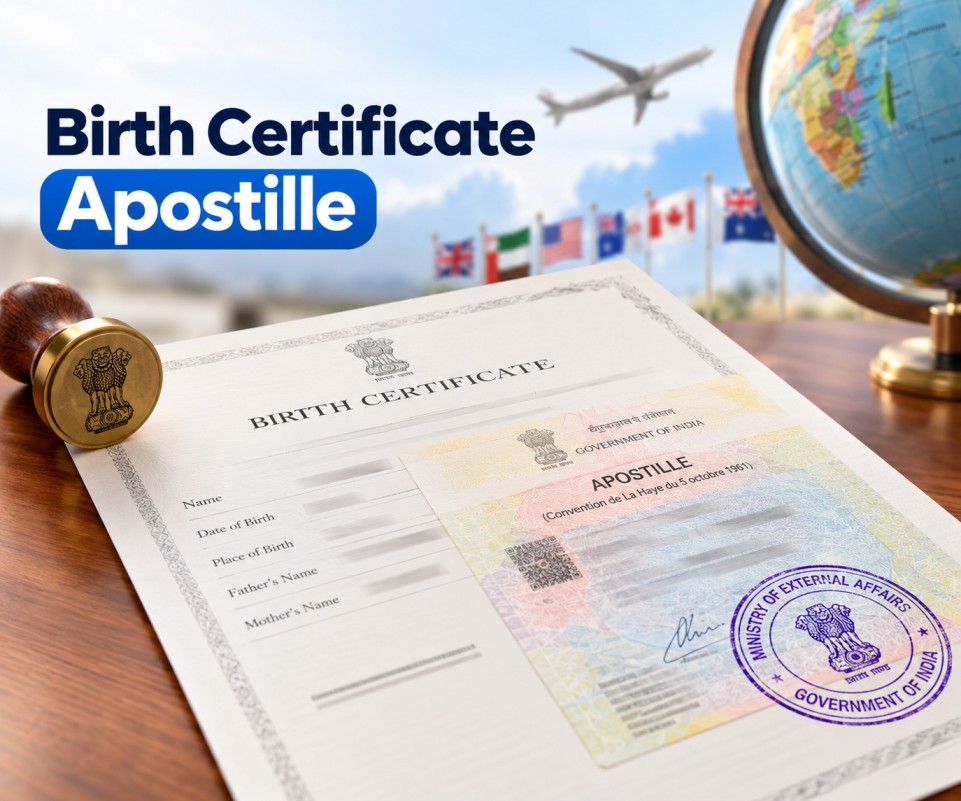
If the receiving authority requires notarization or an apostille, follow local processes for notarizing the translator's signature and obtaining an apostille from the issuing country's competent authority. Do not add these steps unless specified, as they add time and cost.
CERTIFIED checklist (named framework)
Use this quick checklist to simplify the process:
- C — Check receiving authority rules
- E — Evidence: gather originals and scans
- R — Recruit an experienced Portuguese–English translator
- T — Terms: confirm certification/notarization needs
- I — Instruct about formatting and seals
- F — Finalize the translator's signed certification
- I — Inspect the final files for accuracy
- E — Enclose any required notarization/apostille
- D — Deliver according to submission rules (hard copy or digital)
Common mistakes and trade-offs
Common mistakes
- Assuming all agencies accept the same certification format — requirements vary.
- Using a translator with general language ability but no experience in legal/official documents.
- Submitting poor-quality scans where stamps or signatures are unreadable.
- Skipping notarization when it is explicitly required by the receiving authority.
Trade-offs to consider
Cost vs. speed: Certified translations from highly experienced translators or agencies cost more but reduce the risk of rejection. Local sworn translators may be faster for documents intended for use in the translator's country but may not be recognized abroad. Notarization and apostilles add official weight but also processing time.
Short real-world example
Scenario: A student needs a certified translation Portuguese to English of a university diploma for a U.S. university application. The university requires a translator's signed certification (notarization optional). The student requests a translator experienced in academic records, provides a clear scan of the diploma, receives a certified translation with a signed statement of accuracy, and uploads the PDF to the application portal. Because the university accepts certified translations without notarization, the process completes in two business days.
Practical tips
- Ask the receiving authority for a written or online statement of their translation rules to avoid guesswork.
- Request a translator reference or sample of prior certified translations for the same document type.
- Keep both the original and translated files saved as high-resolution PDFs and include a cover letter describing the attachments.
- Allow extra time for notarization or apostille — these can take days to weeks depending on jurisdiction.
Core cluster questions
- What documentation does a certified translation need for immigration?
- How long does a certified Portuguese to English translation take?
- What is the difference between certified and notarized translations?
- How to verify a translator's credentials for official documents?
- When is an apostille required for translated documents?
Frequently asked questions
How do I get a certified translation Portuguese to English?
Verify the receiving authority's requirements, hire a translator experienced with official documents, provide clear originals, request a signed translator certification (and notarization if required), and submit following the institution's preferred method.
Is a notarized translation the same as a certified translation?
No. A certified translation includes a translator's signed statement of accuracy. Notarization is an additional step where a notary public verifies the identity of the signer; some institutions require both, others accept only the certified translator's statement.
How long does a certified Portuguese to English translation usually take?
Turnaround depends on document length and complexity. Short documents (1–3 pages) commonly take 1–3 business days; longer or technical documents can take a week or more. Notarization and apostille add extra time.
What qualifications should a Portuguese to English certified translator have?
Look for translators with experience in the document type, membership in professional bodies (where applicable), references, and a clear policy on certification and privacy. When a specific credential is required by the receiving authority, confirm it before hiring.
Can a machine translation be certified?
Most authorities do not accept machine-only translations. If machine translation is used as a draft, a qualified human translator must review, correct, and provide the signed certification statement.