What to Check Before Choosing a Storage Warehouse in Singapore?
-

- September 24th, 2026
- 94 views
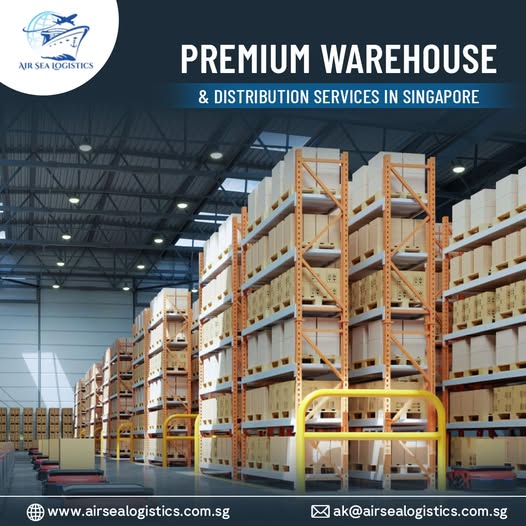
Choosing the place to store your goods is a very important decision for any business. If you sell items, store equipment, spare parts or imported goods the right Storage Warehouse can keep your stock tidy and make everyday work smoother. A bad choice of storage can raise costs create access problems, damage goods or slow down deliveries. Singapore offers warehouse choices so it is smart to compare the facilities carefully before deciding. You should look at location how much space is available security, the conditions, inside the Storage Warehouse how easy the Storage Warehouse is to reach and the price.
Consider the Warehouse Location
Location can really affect transportation costs. The time it takes to deliver goods. Being away from a supplier or customer often means higher fuel costs and longer travel times. A place that is close, to highways or ports might get things delivered faster and cheaper. So where something is located matters a lot when it comes to moving things around. A warehouse that is near roads, ports, industrial areas or your main customers can make moving goods much easier. Before you choose a warehouse to rent make sure it is easy for trucks and other vehicles to get to the place. You should also think about how it is from your office from your suppliers from your customers and, from places where transportation happens.
A good location might cost a more but it can save time and money on transportation over time. If your business gets a lot of shipments having access becomes even more important.
Check the Available Storage Space
Do not pick a warehouse just because it fits the space you need now. Think about how stock you expect to hold in the next months. You need plenty of room for your items. You should not pay for a big empty area that you will never use.
Look at the warehouse layout the height of the ceiling the loading areas, the aisles and the shelving choices. If you keep pallets or big items make sure the place can hold the equipment and the ways you move things.
It is also good to find out if the warehouse can give you space if your business expands. Flexible storage plans can save you from having to move your inventory to a place later.
Look at Security Measures
Your goods may represent a significant investment, so security should not be overlooked. Ask the warehouse operator about the measures used to protect stored products.
Important points to check include:
CCTV monitoring
Access control systems
Security personnel
Visitor management
Fire alarms and safety equipment
Secure loading and unloading areas
Procedures for handling damaged or missing goods
Ask how access to your inventory is controlled and who can enter the storage area. A clear security process can help reduce the risk of theft, loss, and unauthorized access.
Check Storage Conditions
I know that different products have storage requirements. Electronics, food products, chemicals, machinery and general merchandise may need conditions.
Before signing an agreement I recommend checking whether warehouse can provide temperature, ventilation, humidity, cleanliness and pest‑control measures where needed. If products are sensitive to conditions I suggest asking how these conditions are monitored.
Facility should also have procedures to keep goods away, from water leaks, excessive heat, dust and other potential sources of damage.
Understand Loading and Unloading Facilities
A warehouse might seem like a choice just by looking at it from the outside but can still create issues if its hard to load and unload things. Make sure that trucks can get into the building without any problems and that there is room for all the loading work.
Find out if the warehouse has loading docks, forklifts, pallet jacks, ramps or any other tools that you need for your products. You also need to learn about the times when the warehouse's open. If your company needs to use the warehouse in the morning during the evening or on weekends make sure those plans are, in place before you sign any agreement.
Being able to load and unload quickly can help cut down on waiting time and make sure your deliveries arrive when they are supposed to.
Review Pricing and Additional Charges
Price is naturally an important part of the decision, but the cheapest option may not always provide the best value. Ask for a clear breakdown of all costs before committing.
The total cost may include:
Monthly or annual rent
Security deposit
Handling fees
Loading and unloading charges
Pallet or shelving costs
Administrative fees
Utilities
Insurance
Additional access charges
Make sure you understand what is included in the quoted price. Comparing several warehouses using the same cost factors can make it easier to identify the option that fits your budget.
Check Inventory Management Support
When you have an amount of inventory keeping track of every item can become difficult. Ask whether the warehouse offers inventory management services or software support.
Useful features often include inventory tracking, barcode scanning, inventory reports receiving records and dispatch updates. Good inventory control helps businesses know what inventory is available where inventory is stored and when inventory needs to be replenished.
If your business has inbound and outbound shipments this type of inventory support can save considerable time.
Read the Agreement Carefully
Before you sign a warehouse agreement read every term carefully. Pay attention to the contract period the payment schedule, the notice period, the insurance responsibilities the access rules and the conditions that allow the agreement to be ended.
Ask questions, about what will happen if your storage requirements change. It is better to clarify these details before you move your goods into the warehouse than dealing with unexpected costs later.
A warehouse provider should be able to explain the terms and give you written details of the services that are included.
Key Points to Remember
When comparing storage facilities in Singapore, keep these factors in mind:
Choose a location that suits your supply chain.
Make sure there is enough space for current and future stock.
Check security and fire-safety arrangements.
Confirm that storage conditions suit your products.
Inspect loading and unloading facilities.
Understand the complete pricing structure.
Ask about inventory management services.
Check warehouse access hours.
Read the agreement before signing.
Compare several facilities before making your choice.
Frequently Asked Questions
1. What should I consider when choosing a warehouse in Singapore?
Think about the location the storage capacity, the security, the accessibility, the storage conditions the handling facilities and the pricing. Also think about the services that the warehouse operator offers.
2. How much warehouse space does a business need?
The space you need depends on how much you have, in stock how big your products are, how you store them and how much your business is likely to grow. It makes sense to keep some space for more items later.
3. Is warehouse location important for business operations?
Yes. A good location can make moving things and getting deliveries easier. It can also help save time and money when it comes to traveling and sending things for companies that send out a lot of shipments.
4. What security features should a warehouse have?
I have seen common security features in different places. Security features such as CCTV cameras, controlled access, security personnel, visitor records, secure loading areas, fire‑safety equipment and clear procedures, for handling inventory are what I trust.
5. Should I compare warehouse prices before choosing one?
Yes. Look at the cost instead of just the advertised rental price. Make sure to check for charges related to handling, utilities, equipment, access, insurance and any other services. These fees can add up quickly so it's important to see the picture before making a decision.
Final Thoughts
Selecting a warehouse is not, about finding an empty space. The right warehouse should fit your products match your budget and meet your delivery needs. It should also support how much you expect your business to grow. Spending time to visit the location checking what facilities are available understanding all the costs and carefully reading the agreement can stop problems from happening. A good warehouse choice helps keep inventory organized and makes daily logistics run smoothly.