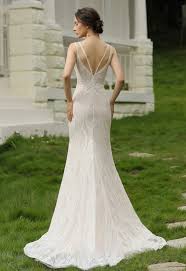
Summer Nursing Dresses & Covers: Breathable, Discreet Styles for Nursing Mothers
-

- February 23rd, 2026
- 1,062 views
Choosing a nursing cover and summer dress can make breastfeeding in warm weather more comfortable and discreet. The right combination balances airflow, ease of access, sun protection and personal comfort while supporting breastfeeding goals and day-to-day activities.
- Prioritize breathable natural fabrics like cotton, linen or lightweight muslin for summer wear.
- Look for dress designs with easy nursing access (hidden panels, button-down fronts, wrap styles).
- A lightweight, breathable nursing cover can add modesty and sun protection without overheating.
- Consider fit, laundering, UPF, and layering options to match climate and routine.
Nursing Cover and Summer Dress: Choosing the Right Combination
When selecting a nursing cover and summer dress, consider how fabric, cut and features affect ventilation and access. Breathable materials reduce overheating and skin irritation; functional closures and discreet openings make feeding easier while preserving privacy. Design choices should reflect local climate, typical daily activities and personal comfort preferences.
Fabrics and Breathability
Natural fibers
Cotton, linen and bamboo blends are common summer choices because they allow air circulation and wick moisture. Lightweight muslin is especially popular for both covers and dresses due to softness and drape. Fabrics labeled as breathable or lightweight typically perform better in heat than dense synthetics.
Synthetic and mixed fabrics
Performance fabrics that blend synthetics with natural fibers can offer stretch and quicker drying, useful for active days. However, pure synthetics often trap heat and may not be ideal for prolonged wear in very hot conditions.
Design Features That Matter
Nursing access options
Common designs include wrap-front dresses, discreet side openings, button-down fronts, and hidden panels that lift or pull aside. Each option balances visibility and speed: button-down fronts are straightforward, while lift-up panels preserve modesty but may need one hand to manage.
Coverage and modesty
A nursing cover can provide an additional layer of privacy when desired. For summer use, choose covers made from lightweight, breathable fabric and consider shapes that allow airflow around the baby’s face. Some covers double as light shawls or stroller covers for multiuse convenience.
Fit and silhouette
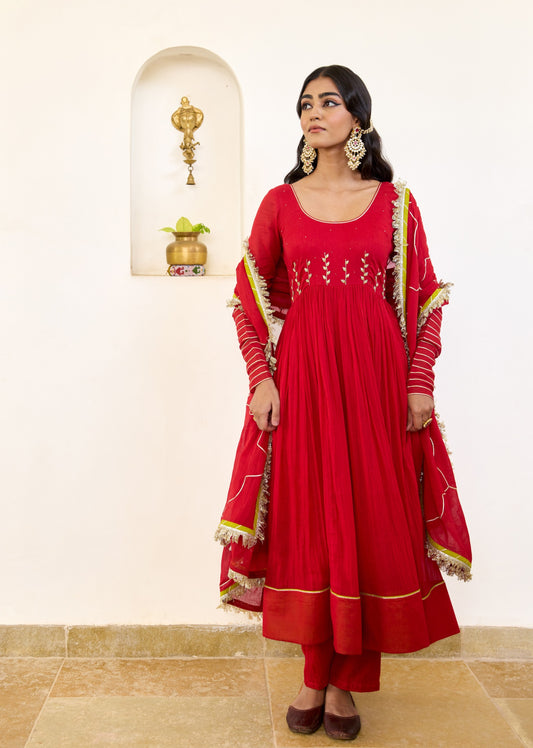
Loose or A-line silhouettes increase airflow and reduce cling in heat. Empire waists and wrap styles can accommodate changing body size while still allowing discreet nursing. Consider a dress that fits comfortably at the bust for latch and positioning without excessive compression.
Practical Considerations for Warm Weather
Layering and sun protection
Layering a breathable nursing cover over a dress can add sun protection for both parent and baby. Some fabrics have UPF ratings; when sun exposure is a concern, look for clothing with documented sun-protective properties. Light colors reflect sunlight and can feel cooler than dark shades.
Laundering and durability
Summer clothing may need frequent washing. Choose fabrics and constructions that withstand repeated laundering and retain shape. Pre-shrunk natural fibers or items with clear care instructions reduce surprises after washing.
Accessories and extras
Magnetic or snap closures on nursing covers provide quick access; adjustable neck straps increase flexibility for different caregivers. Consider a multiuse cover that can serve as a scarf or blanket, but confirm breathability when used around the baby’s face and upper body.
Safety, Comfort and Evidence-Based Context
Balancing discretion and infant comfort
When using a nursing cover, ensure the baby’s airway remains unobstructed and that the infant is positioned comfortably. Breathable fabrics help reduce heat buildup for both adult and child. For general information on breastfeeding benefits and recommended practices, consult guidance from recognized public health organizations such as the World Health Organization: WHO breastfeeding information.
Choosing what fits daily life
Consider the typical routine—outdoor errands, social events or extended travel—and select dresses and covers with features that simplify feeding under those conditions. Ease of use, laundering and comfort often matter more in daily life than highly stylized details.
Shopping and Care Tips
Try on with movement in mind
Test how the dress and cover behave when sitting, bending and holding a baby. Check that closures stay in place and that access remains practical in common nursing positions.
Care label and storage
Follow care labels to preserve fabric performance. Store covers in a clean, dry place and keep a spare in diaper bags or travel kits for convenience.
Conclusion
Choosing a suitable nursing cover and summer dress involves balancing breathability, access, sun protection and laundering needs. Prioritizing lightweight natural fabrics, practical nursing openings and designs that match daily activities helps create a comfortable, discreet system for breastfeeding in warm weather.
How does a nursing cover and summer dress work for breastfeeding in public?
A coordinated nursing cover and summer dress make public breastfeeding more discreet by combining easy access points (buttons, wrap openings, hidden panels) with a lightweight outer layer that provides modesty and sun protection while maintaining airflow. Selecting breathable fabrics and testing the fit in common nursing positions supports comfort for both caregiver and baby.
Can certain fabrics cause overheating for mother or baby?
Yes. Dense synthetic fabrics may trap heat and moisture, increasing discomfort in hot weather. Breathable natural fibers like cotton, linen and muslin typically allow better air circulation. Choose fabrics labeled lightweight or breathable for warm climates.
Are there features that make a summer nursing dress easier to care for?
Pre-shrunk fabrics, simple closures (buttons or ties), and machine-washable materials reduce maintenance. Look for clear care instructions and durable stitching to withstand frequent laundering.