Summer Performance Tires: Everything You Need to Know for Warm Weather Driving
-

- Published Updated
- 1,943 views
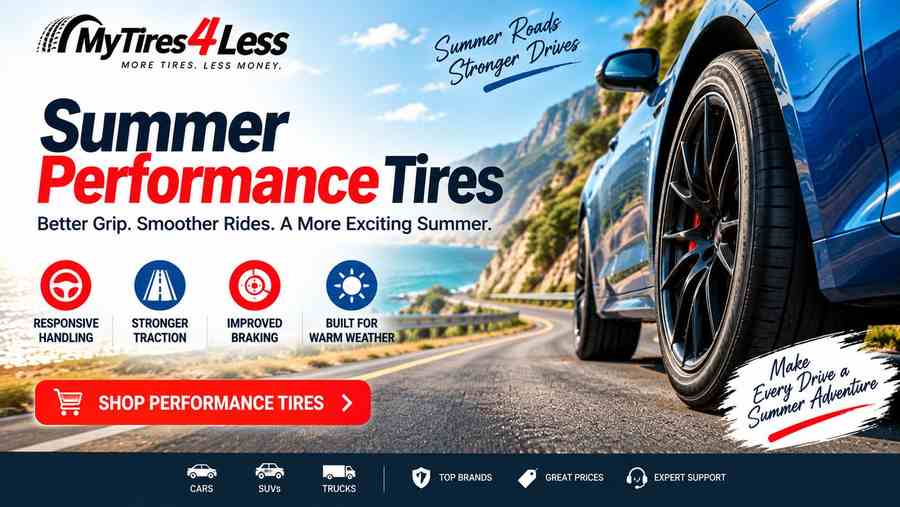
As temperatures rise and roads become warmer, drivers often start thinking about how their vehicles will perform during the summer months. Tires have a major influence on handling, traction, braking, comfort, and overall driving experience. For drivers who want responsive steering and stronger road grip during warm weather, summer performance tires can be an option worth considering.
Unlike tires designed to perform across a wide range of weather conditions, summer performance tires are developed with warm temperatures in mind. Their rubber compounds, tread patterns, and construction are designed to provide strong road contact and responsive handling when conditions are suitable.
What Are Summer Performance Tires?
Summer performance tires are specifically designed for warm weather driving. They use specialized rubber compounds that are intended to remain responsive when road temperatures increase. Their tread patterns are also designed to provide substantial contact with the road.
These characteristics can help improve handling and steering response on dry roads. They are commonly found on sports cars, performance sedans, coupes, and other vehicles where handling is an important part of the driving experience.
However, summer performance tires are not only for sports car owners. Drivers of everyday vehicles may also choose them when they want a more responsive feel and stronger warm weather performance.
Every tire model is different, so it is important to check the specifications and intended use before purchasing.
Why Choose Summer Performance Tires?
One of the main reasons drivers choose summer performance tires is their focus on handling. The tread design and rubber compound can help maintain strong contact with the road, allowing the vehicle to respond more precisely to steering inputs.
This can be particularly useful when driving through curves or making quick steering adjustments. A suitable tire can make the vehicle feel more connected to the road and provide a more controlled driving experience.
Dry road traction is another important advantage. Warm and dry conditions allow performance focused tire compounds to provide strong grip. This can be beneficial during acceleration, cornering, and braking.
Summer performance tires can also provide a sportier driving experience. Drivers who enjoy weekend trips, winding roads, or simply want their vehicle to feel more responsive may appreciate the difference that a performance focused tire can make.
How Do Summer Performance Tires Work?
The performance of a tire comes from several factors working together. The rubber compound is one of the most important elements. Summer performance tires use compounds designed for warmer conditions, helping maintain the desired level of flexibility and grip when temperatures are higher.
The tread pattern also plays an important role. Performance oriented tread designs are created to provide strong road contact while managing water on wet roads.
The internal construction of the tire can also influence steering response and stability. A well designed performance tire can help the vehicle respond more quickly to steering movements.
These features work together to create a tire that is optimized for warm weather handling rather than trying to provide the same performance across every possible season.
Summer Performance Tires and Dry Roads
Dry roads generally provide ideal conditions for summer performance tires. Without snow or ice on the road, the tire can maintain strong contact with the pavement.
Drivers may notice improved steering response and stronger cornering grip compared with tires designed primarily for comfort or all season versatility.
This does not mean that every summer tire will perform exactly the same way. Tire design, vehicle type, road conditions, and driving style all influence the actual experience.
For this reason, it is important to compare different tire models before making a purchase.
What About Wet Roads?
Summer does not always mean completely dry roads. Rain can create challenging driving conditions, so wet traction should also be considered when selecting a tire.
Many summer performance tires feature grooves and tread patterns designed to help move water away from the contact area. This can help maintain traction on wet roads.
However, drivers should always reduce speed and drive according to road conditions during heavy rain. No tire can eliminate the risks associated with standing water, excessive speed, worn tread, or poor road conditions.
When comparing tires, look at the manufacturer's information regarding wet weather performance and choose a model that matches your typical driving environment.
Summer Performance Tires Compared With All Season Tires
All season tires are designed to provide balanced performance across a broader range of conditions. They can be convenient for drivers who experience moderate weather throughout the year and do not want to change tires seasonally.
Summer performance tires have a more specific purpose. They focus on warm weather handling, traction, and responsiveness.
If you live in an area with long, warm summers and prioritize handling, summer performance tires may be worth considering. If your area experiences significant temperature changes throughout the year, an all season or seasonal tire strategy may make more sense.
The right choice depends on your climate, vehicle, driving habits, and priorities.
Can You Use Summer Performance Tires in Cold Weather?
Summer performance tires are not designed for snow and freezing conditions. When temperatures become very low, the rubber compounds used in these tires can become less flexible.
This can affect traction and handling. Drivers who regularly experience snow, ice, or very cold temperatures should consider tires specifically designed for those conditions.
If you live in an area with cold winters, you may need to change from summer tires to an appropriate all season or winter tire when temperatures and road conditions require it.
How to Select the Right Summer Performance Tires
Before buying new tires, start by checking the tire size recommended for your vehicle. You can find this information in the vehicle owner's manual or on the tire information label located near the driver's door.
The load rating is also important. It indicates how much weight the tire is designed to support. The speed rating should also be appropriate for your vehicle and driving requirements.
Consider your typical driving conditions as well. Drivers who spend most of their time on city streets may have different priorities from someone who regularly travels on highways.
Think about handling, comfort, tread life, wet traction, road noise, and price before making your decision.
Tire Maintenance Matters
Even the right tires need proper maintenance. Checking tire pressure regularly is one of the simplest ways to maintain good performance.
Incorrect tire pressure can affect handling, fuel efficiency, tread wear, and overall tire performance. Always follow the pressure recommendation provided by your vehicle manufacturer.
It is also important to inspect the tires for uneven wear, cracks, punctures, or other visible damage. If you notice unusual wear, your vehicle may have an alignment or suspension issue that needs attention.
Regular tire rotation and wheel alignment can also help promote more even tread wear and extend tire life.
When Should You Replace Your Tires?
Knowing when to replace your tires is just as important as choosing the right ones. Tires gradually lose tread as they are used, and worn tread can reduce traction.
Check the tread regularly and look for signs of excessive wear or damage. If you notice vibration, unusual noise, cracks, bulges, or uneven tread wear, have the tires inspected by a qualified professional.
The age of a tire should also be considered. Even when a tire has not been heavily used, rubber can deteriorate over time. Follow the tire manufacturer's recommendations regarding inspection and replacement.
Finding Summer Performance Tires Online
Shopping online can make it easier to compare different tire options. You can review tire sizes, specifications, brands, prices, and other details before deciding which model is suitable for your vehicle.
When looking for summer performance tires, avoid choosing based only on price. A tire should be selected according to your vehicle specifications, driving conditions, and performance requirements.
MyTires4Less offers a selection of performance tires for different vehicles and driving needs. You can explore available options and compare specifications to find tires that fit your vehicle.
Final Thoughts
The right tires can make a noticeable difference in how a vehicle feels on the road. For drivers who experience warm weather and want responsive handling, strong dry road traction, and a more engaging driving experience, summer performance tires can be a suitable option.
Before purchasing, always check the recommended tire size, load rating, and speed rating for your vehicle. Consider your local climate, driving habits, road conditions, comfort preferences, and budget.
With the right selection and regular maintenance, performance focused tires can help you enjoy a more responsive driving experience throughout the warmer months.
Explore performance tire options at MyTires4Less:
https://mytires4less.com/tire-type.html?type=performance