Is Your Basement at Risk of Flooding? When a Sump Pump Becomes a Must Have
-

- Published Updated
- 9,472 views

Homeowners often overlook their basement until water starts creeping in. By that point, the damage can be extensive and expensive. If you live in an area with heavy rainfall, clay-heavy soil, or a high water table, your basement may be far more vulnerable than you think. That is where sump pump services in Cleves, OH become not just helpful but absolutely essential. A properly installed and maintained sump pump is one of the most reliable tools for keeping your basement dry, protecting your home's foundation, and avoiding the kind of water damage that can cost thousands of dollars to repair.
This guide walks you through the warning signs that your basement is at risk, what causes water to build up in the first place, when a sump pump becomes a necessity, and how to keep your system running when it matters most.
Warning Signs Your Basement Is at Risk of Flooding
Most basement flooding does not happen without warning. The signs are often subtle but consistent. Learning to recognize them early can save you from a costly disaster.
One of the most telling signs is visible moisture on your walls or floors. If you notice white or gray mineral deposits forming on concrete walls, known as efflorescence, it means water has been moving through those walls over time. Similarly, rust stains near floor joints or base of walls often indicate ongoing moisture infiltration.
Another warning sign is a musty or earthy smell that does not go away even after cleaning. This odor is typically caused by mold or mildew thriving in damp conditions. Mold can begin growing within 24 to 48 hours of water exposure, according to the U.S. Environmental Protection Agency, making early detection critical.
Cracks in your foundation walls or floor are also red flags. While some hairline cracks are normal in older homes, horizontal cracks or cracks that are widening over time can allow significant water entry. Standing water after heavy rain, water stains along the base of walls, or a sump pit that frequently fills up are all signs that your home needs immediate attention.
If your home sits at the bottom of a slope or in a low-lying neighborhood, your risk is naturally higher. Properties in flood zones or with a history of water intrusion should be treated as high-priority candidates for sump pump installation.
What Causes Water to Build Up in Basements
Understanding where water comes from helps you address the root problem rather than just the symptoms.
The most common cause is hydrostatic pressure. When the soil around your foundation becomes saturated after heavy rain or snowmelt, water pushes against the walls and floor of your basement with significant force. Over time, this pressure causes water to seep through concrete, which is naturally porous.
A high water table is another major contributor. In many parts of Ohio and the Midwest, the water table sits close to the surface, especially during spring. When groundwater rises, it has nowhere to go but up and into your home.
Poor grading around your home also plays a role. If the ground slopes toward your foundation rather than away from it, rainwater naturally collects against the walls instead of draining away. Gutters and downspouts that discharge water too close to the foundation add to the problem.
Drainage issues in the yard, such as compacted soil, clay-heavy ground, or blocked French drains, prevent water from moving away from your home efficiently. The USDA Natural Resources Conservation Service notes that clay soils retain water significantly longer than sandy or loamy soils, which is particularly relevant for homeowners in southwestern Ohio.
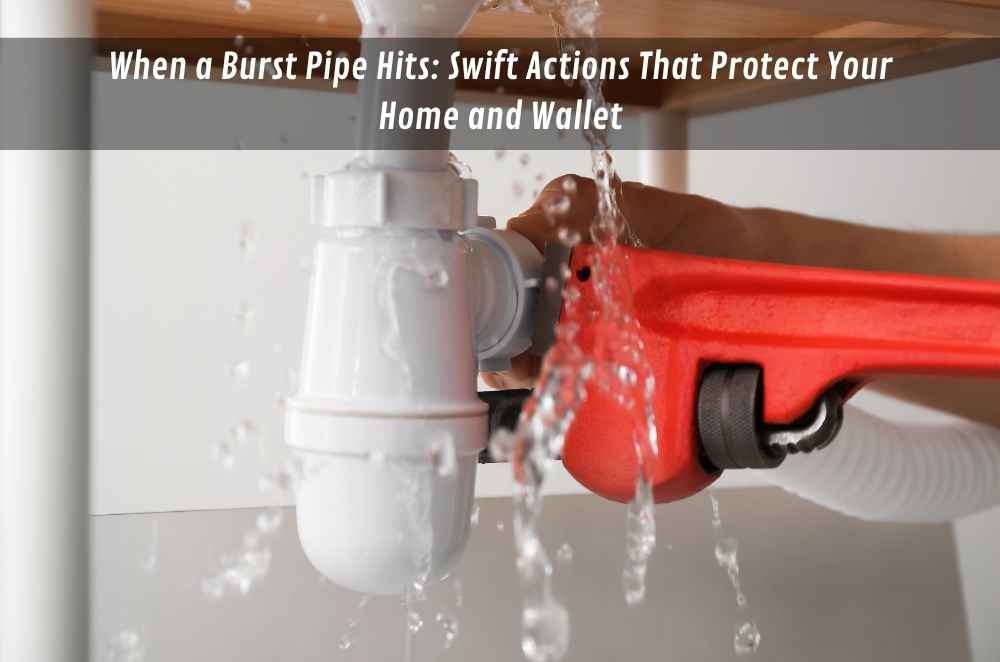
Finally, plumbing failures such as burst pipes or a backed-up sewer line can cause sudden and severe basement flooding that has nothing to do with weather.
When a Sump Pump Is Truly Necessary
Not every home needs a sump pump, but many do. Here is how to determine whether you fall into that category.
If your home has experienced flooding or water intrusion at least once, a sump pump is no longer optional. Even a single flood event can cause structural damage, ruin stored belongings, and create ongoing mold problems. Once water finds its way in, it tends to return.
Homes built in flood-prone areas, near rivers, lakes, or low-lying ground, should have a sump pump as standard equipment. The same applies to homes with a finished basement. The more you have invested in that space, whether as a family room, home office, or guest bedroom, the more critical it is to protect it.
If your current sump pump runs frequently during rain events, that is actually a sign it is doing its job. However, it also means your home is under regular water pressure and the system needs to be reliable and well-maintained.
New construction in many municipalities now requires sump pump installation as part of building code compliance, which reflects how widely recognized the need has become.
Understanding Installation and Backup System Options
Sump pump installation involves more than just dropping a pump into a pit. A complete system includes the pump itself, a sump basin dug into the lowest point of your basement floor, a discharge pipe that routes water away from your home, and in most cases, a check valve to prevent backflow.
The two most common types are pedestal pumps and submersible pumps. Pedestal pumps have a motor mounted above the water, making them easier to access but noisier. Submersible pumps sit inside the pit and are generally quieter and more powerful, making them the preferred choice for most residential applications.
One of the most important investments a homeowner can make alongside their primary pump is a backup system. During a major storm, power outages are common. That is exactly when you need your sump pump most. There are two primary backup options.
A battery backup system operates on a charged battery and kicks in automatically when the power goes out. Most battery backups can run for several hours, giving you time to get through the worst of a storm. According to Family Handyman, battery backups are the most popular choice for homeowners who want simple, reliable protection.
A water-powered backup uses your home's water pressure to operate and requires no electricity or battery. While less common, it is an effective option for extended outages and does not require battery replacement.
Factors that affect overall system performance include the horsepower of the motor, the diameter of the discharge pipe, the distance water must travel to exit the home, and the quality of installation. A system that is undersized for your water volume will wear out faster and fail when you need it most.
Maintenance Checklist and How to Avoid Unexpected Breakdowns
A sump pump is not a set-it-and-forget-it appliance. Regular maintenance is what separates a system that works when it counts from one that fails during a flood.
Here is a straightforward maintenance routine every homeowner should follow.
Test the pump at least once every three to four months by pouring a bucket of water into the sump pit. The float should rise and trigger the pump to activate, then shut off once the water drains. If this does not happen, the float switch may be stuck or the pump may need servicing.
Inspect the discharge pipe to make sure it is not frozen, clogged, or blocked by debris. In winter months, the pipe exit point should be checked regularly to ensure water can flow freely.
Clean the sump pit annually by removing any gravel, dirt, or debris that may have accumulated. Buildup in the pit can interfere with the float or clog the pump intake.
Check the power connection and make sure the pump is plugged in and the circuit breaker is functional. It sounds simple, but unplugged pumps are a surprisingly common cause of flooding.
Test the backup system separately to confirm the battery holds a charge and the unit switches over automatically.
Common sump pump failures include a burned out motor, a stuck or broken float switch, a clogged intake screen, a failed check valve that allows water to flow back into the pit, and a pump that is simply too old. Most sump pumps have a lifespan of seven to ten years. If yours is approaching that age, having it evaluated by a professional is a smart move before the next rainy season arrives.
For homeowners who want to have full confidence in their system, sump pump services in Cleves, OH are available to handle inspections, repairs, and full replacements by experienced plumbing professionals who understand the specific drainage challenges of the region.
Conclusion
Basement flooding is not a minor inconvenience. It is a serious threat to your home's structure, your family's health, and your financial wellbeing. The good news is that it is largely preventable. Recognizing the early warning signs, understanding what drives water into your home, and investing in a properly installed and regularly maintained sump pump system gives you a powerful line of defense.
Whether you are dealing with a high water table, heavy seasonal rain, or a basement that has already seen water damage, a sump pump is one of the most practical and effective tools available to protect your home. Pairing it with a reliable backup system and a consistent maintenance routine ensures that when the next major storm rolls in, your basement stays dry.
Do not wait for standing water to tell you there is a problem. A proactive approach to sump pump installation and maintenance is always more affordable than water damage restoration.
Frequently Asked Questions
How do I know if I need a sump pump installed in my home?
If your basement has experienced water intrusion, you live in a region with heavy rainfall or a high water table, or your home sits on ground that slopes toward the foundation, a sump pump is strongly recommended. Homes with finished basements or valuable storage in the lower level benefit especially from having a reliable pump in place. Even if you have never had flooding, the absence of previous problems does not guarantee future safety without proper drainage protection.
What is the difference between a primary sump pump and a backup system?
A primary sump pump is your main line of defense against groundwater and handles day-to-day drainage during rain events. A backup system, either battery-powered or water-powered, is designed to take over automatically when the primary pump fails or when a power outage occurs during a storm. Having both in place is considered best practice by plumbing professionals because the situations most likely to cause flooding are often the same ones that knock out electricity.
How often should a sump pump be replaced?
Most sump pumps have a functional lifespan of seven to ten years under normal operating conditions. Pumps that run frequently due to high water table conditions may wear out faster. Signs that replacement may be needed include unusual noises, vibrations, visible rust or corrosion, the pump running continuously without shutting off, or a system that is more than a decade old regardless of visible wear.
Can a sump pump handle both groundwater and heavy rainfall at the same time?
Yes, but only if it is properly sized for the volume of water your home receives. A pump that is too small will struggle to keep up during major storm events, leading to overflow and potential flooding. When having a system installed or replaced, a professional plumber should assess the drainage conditions specific to your property to recommend the right horsepower and pump type for your situation.
What happens if my sump pump runs constantly?
A sump pump that runs continuously usually means there is a constant source of water entering the pit, often from a high water table, a failed check valve that is allowing discharged water to return, or an undersized pump that cannot keep up with inflow. In some cases, it may indicate a plumbing leak elsewhere in the home. Continuous operation accelerates motor wear significantly, so this issue should be inspected by a professional sooner rather than later to prevent premature pump failure.