Super Sack Bag Filler for Efficient Bulk Packaging Systems
-

- May 22nd, 2026
- 6,812 views
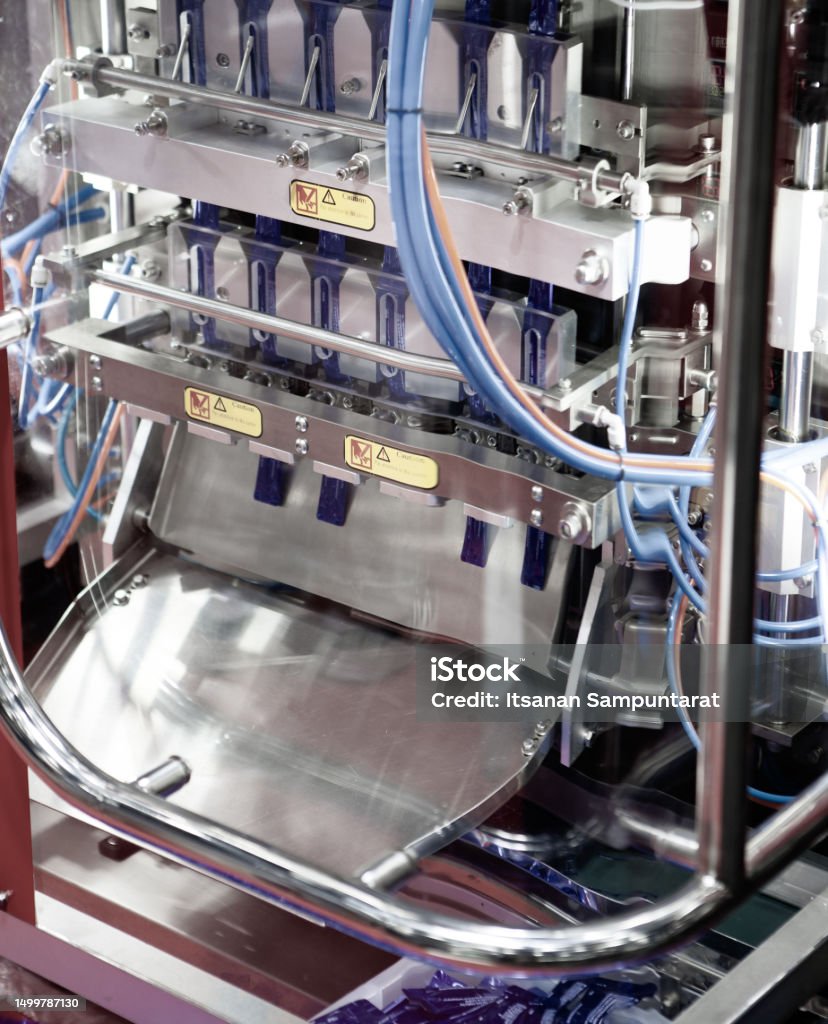
Bulk material packaging can become a major challenge for industries handling powders, granules, and heavy materials every day. Problems like inaccurate filling, excessive dust, product waste, slow production speed, and high labor costs can reduce operational efficiency and increase expenses. A reliable super sack bag filler solves these issues by automating the filling process with precision, speed, and consistency.
Designed for high-capacity packaging operations, the super sack filling machine is widely used in industries such as agriculture, chemicals, construction, food processing, mining, and plastics. These machines are engineered to fill large FIBC bags safely and accurately while maintaining a clean and productive working environment.
What Is a Super Sack Bag Filler?
A super sack bag filler is an industrial packaging machine designed to fill large bulk bags, also known as FIBC bags or jumbo bags. These bags are commonly used to transport and store dry bulk materials such as cement, flour, fertilizer, plastic pellets, grains, sand, minerals, and chemical powders.
The machine automates the filling process by weighing materials accurately and transferring them into large bags with minimal manual labor. Modern systems include advanced weighing technology, dust collection systems, and PLC controls for improved performance and productivity.
Why Businesses Need a Super Sack Filling Machine
Many manufacturing facilities struggle with inefficient bulk packaging systems that slow down production and increase material loss. Manual filling methods often create inconsistent bag weights and dusty environments that impact worker safety.
A bulk bag filling machine eliminates these problems by providing:
Accurate filling and weighing
Faster packaging cycles
Reduced product waste
Cleaner production areas
Lower labor costs
Improved workplace safety
For businesses handling high-volume materials, investing in a reliable filling system can significantly improve operational efficiency and long-term profitability.
Key Features of a Super Sack Bag Filler
High-Precision Weighing System
The machine uses advanced electronic weighing technology to ensure precise filling accuracy. Features like automatic tare adjustment, zero calibration, and weight correction help maintain consistent bag weights throughout production.
Large Filling Capacity
Most super sack bag fillers can handle bags ranging from 500 kg to 2000 kg. This makes them suitable for industries requiring heavy-duty packaging solutions.
Fast Packaging Speed
These systems are built for high-output operations and can typically fill 20–50 bags per hour depending on material type, feeding method, and bag size.
Dust Collection System
Dust control is essential when packaging powders and fine materials. Integrated dust removal systems help maintain a clean environment while protecting workers and reducing material loss.
PLC Automation Control
Modern bagging machines are equipped with PLC touchscreen controls that allow operators to monitor and manage the filling process easily. Automated controls improve consistency and reduce operator errors.
Durable Industrial Design
The robust structure ensures long-term durability even in demanding industrial environments. High-quality components also reduce maintenance requirements and downtime.
How a Super Sack Bag Filler Works
The operation process is simple and efficient:
1. Bag Placement
The operator places the empty FIBC bag onto the filling station and secures the lifting loops.
2. Bag Clamping
The machine automatically clamps and seals the bag opening to prepare for filling.
3. Material Feeding
Bulk materials enter the bag through gravity feeding, belt feeding, or screw feeding systems depending on product characteristics.
4. Accurate Weighing
The integrated weighing system continuously measures material weight to achieve precise filling targets.
5. Dust Control
The dust collection system captures airborne particles during filling to maintain a cleaner workspace.
6. Bag Release
Once the target weight is reached, the machine automatically releases the filled bag for transport or palletizing.
Industries That Use Super Sack Fillers
A super sack filling system is widely used across multiple industries because of its versatility and efficiency.
Construction Industry
Used for packaging cement, lime powder, sand, concrete additives, and dry mortar products.
Food Industry
Ideal for flour, sugar, rice, starch, grains, animal feed, and food powders.
Chemical Industry
Commonly used for fertilizers, PVC powder, chemical granules, and industrial additives.
Mining & Minerals
Suitable for ore powder, silica sand, minerals, metal powders, and other heavy materials.
Plastic Industry
Efficient for packaging plastic pellets, resins, and recycled materials.
Benefits of Using a Super Sack Bag Filling Machine
Improved Productivity
Automation increases production speed while minimizing manual labor requirements.
Better Accuracy
Precise weighing systems reduce overfilling and product waste, helping businesses save money.
Cleaner Work Environment
Dust control systems improve air quality and reduce contamination during packaging.
Reduced Labor Costs
Automated operations decrease dependence on manual packaging processes.
Enhanced Worker Safety
Minimizing direct contact with heavy materials improves workplace safety standards.
Flexible Packaging Solutions
Machines can be customized for different bag sizes, materials, and production capacities.
Choosing the Right Super Sack Bag Filler
When selecting a bulk bag filling machine, businesses should consider:
Material type and flow characteristics
Required filling speed
Bag size capacity
Automation level
Dust control requirements
Available factory space
Future production growth
Choosing the right equipment ensures maximum efficiency and long-term reliability for your packaging operations.
Conclusion
A super sack bag filler is an essential solution for industries that require accurate, fast, and reliable bulk material packaging. With advanced weighing technology, automated controls, and dust management systems, these machines help businesses improve productivity while reducing operational costs.
Whether you handle powders, granules, minerals, food products, or industrial materials, investing in a high-quality super sack filling machine can streamline your packaging process and support long-term business growth. Modern bulk bag filling systems are designed to deliver consistent performance, cleaner operations, and better packaging efficiency for demanding industrial environments.
FAQs
1. What is a super sack bag filler used for?
A super sack bag filler packages powders, granules, and bulk materials into large FIBC bags with high speed and accuracy.
2. Which industries use bulk bag filling machines?
Food, chemical, mining, agriculture, plastics, and construction industries commonly use bulk bag filling systems.
3. How accurate is a super sack filling machine?
Most machines provide highly accurate filling with minimal weight variation using electronic weighing systems.
4. Does a super sack bag filler reduce dust?
Yes, integrated dust collection systems help maintain cleaner air and reduce product waste during filling.
5. Can super sack fillers handle different materials?
Yes, they are designed for powders, pellets, grains, minerals, chemicals, and many other bulk materials.