Top 10 Supermarket Billing Software Development Companies in 2026
-

- Published Updated
- 78 views

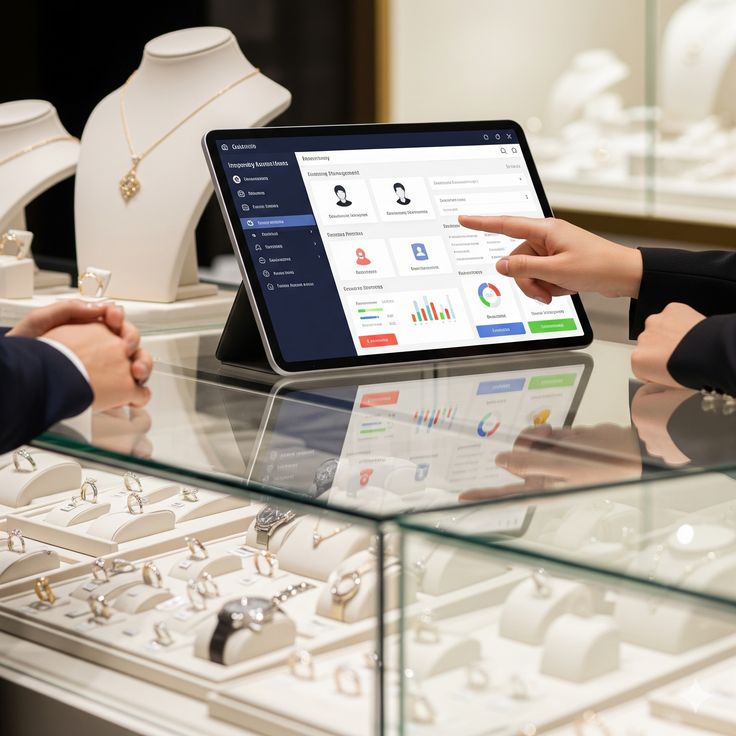
The retail industry is experiencing significant digital transformation as supermarkets and grocery stores adopt advanced technologies to improve operational efficiency and customer satisfaction. From automated checkout systems to real-time inventory tracking, modern retail businesses require reliable software to manage daily operations. Choosing the right supermarket billing software development company can help retailers simplify transactions, reduce billing errors, improve stock management, and make informed business decisions.
If you are searching for the best supermarket billing software development companies in 2026, it is essential to evaluate their technical expertise, customization capabilities, integration options, and experience in developing retail management solutions. The right software can help businesses streamline billing operations, improve customer experiences, and support long-term growth.
1. Dev Technosys
Dev Technosys is a software development company that offers customized technology solutions for businesses across different industries. Its supermarket billing software development services are relevant to retailers looking to automate checkout processes, manage product information, and improve inventory control.
The company can be considered by businesses seeking tailored retail software with features such as automated billing, barcode scanning, payment integration, sales reporting, and inventory management. Custom development can help supermarkets build solutions around their specific workflows instead of relying entirely on standard software packages.
Dev Technosys is worth exploring for businesses that want to develop scalable supermarket management systems, integrate existing business tools, and improve retail operations through technology.
Key benefits to consider:
Customized supermarket billing software
POS and payment integration possibilities
Inventory and product management capabilities
Sales reporting and operational automation
Software designed around individual business requirements
Businesses should contact the company to confirm specific features, implementation timelines, and pricing.
2. Square
Square is a well-known provider of point-of-sale and payment processing solutions. Its retail technology helps businesses manage transactions, accept payments, monitor sales, and organize important business information.
For retailers evaluating supermarket billing software, Square can be an option when payment processing and straightforward checkout operations are major priorities. Depending on the product and region, businesses may also access inventory management, sales analytics, and customer management features.
Square is particularly relevant to retailers seeking an integrated POS experience without building every component from scratch. However, supermarkets should verify whether its available plans support their specific grocery operations, hardware requirements, and regional payment methods.
Key benefits to consider:
Point-of-sale transaction management
Integrated payment processing
Sales tracking and reporting
Retail management tools
Options for expanding business operations
3. Shopify
Shopify provides e-commerce and point-of-sale solutions that connect online and physical retail operations. Businesses that sell products through multiple channels can use its technology to manage product information, sales, and customer data in a more coordinated way.
For supermarkets with online grocery ordering, physical stores, or plans to expand into digital commerce, Shopify may be worth evaluating. Its retail capabilities can help businesses create a connected shopping experience across supported sales channels.
However, grocery retailers should assess whether their required features, such as perishable inventory tracking, weight-based product pricing, and specialized supermarket checkout workflows, are supported by the selected configuration or require additional integrations.
Key benefits to consider:
Online and in-store sales management
Product and order management
Retail payment options
Customer data management
Integration possibilities for digital commerce
4. Lightspeed
Lightspeed offers cloud-based point-of-sale and retail management technology. Its solutions support transaction processing, inventory management, sales analysis, and other retail workflows.
Retailers looking for centralized sales information and improved visibility into business performance may consider Lightspeed when comparing retail POS software providers. Depending on the product, businesses can access tools to manage products, review sales trends, and coordinate aspects of retail operations.
For supermarkets, it is important to confirm that the selected solution supports grocery-specific requirements, including barcode-based checkout, high-volume transactions, and appropriate inventory workflows.
Key benefits to consider:
POS and transaction management
Inventory tracking tools
Sales analytics and reporting
Cloud-based business management
Retail operations support
5. Oracle
Oracle provides enterprise technology and retail management solutions designed for organizations with complex operational requirements. Its retail offerings can help larger retailers coordinate business processes, analyze performance, and manage information across multiple locations.
For supermarket chains and established retail organizations, Oracle may be relevant when evaluating enterprise-grade systems that support centralized management and integrations with other business applications.
Implementation complexity, licensing, integration requirements, and ongoing support should be evaluated carefully before selecting an enterprise retail platform.
Key benefits to consider:
Enterprise retail management capabilities
Business intelligence and reporting
Support for complex retail operations
Integration with enterprise applications
Tools for multi-location business management
Note: These companies offer different products and services, and not all specialize exclusively in supermarket billing software development. Confirm current features, regional availability, pricing, and grocery-specific suitability before making a decision.
Essential Features of Supermarket Billing Software
When comparing supermarket billing software development companies, retailers should understand which features are necessary for their operations.
1. Automated Billing and Invoicing
Automated billing software calculates product prices, taxes, discounts, and totals while generating receipts. This helps cashiers process purchases efficiently and reduces the risk of manual calculation errors.
2. Barcode Scanning
Barcode scanning allows cashiers to identify products quickly and retrieve their prices from the product database. It can speed up checkout and improve transaction accuracy, especially during busy shopping hours.
3. Inventory Management
Inventory management helps supermarket owners monitor stock levels, record incoming products, and identify items that need replenishment. Advanced workflows may also support expiry-date monitoring and batch tracking for perishable goods.
4. Payment Gateway Integration
Modern supermarket billing systems can integrate supported payment methods, such as cards, digital wallets, and other regional payment services. Businesses should select payment integrations that meet their customers' needs and comply with applicable security requirements.
5. Sales Reporting and Analytics
Sales reports help business owners understand revenue, popular products, transaction volumes, and purchasing trends. These insights can support better decisions about pricing, promotions, staffing, and inventory planning.
6. Multi-Store Management
Supermarket chains may require centralized dashboards to monitor multiple branches. Multi-store functionality can improve visibility into stock, sales, and store performance while helping management maintain consistent processes.
7. Customer Loyalty and Discounts
Loyalty programs, promotional offers, and customer rewards can encourage repeat purchases. Billing software can help retailers apply eligible discounts and maintain records of customer transactions where appropriate.
How to Choose the Best Supermarket Billing Software Development Company
Selecting a software provider requires more than comparing prices. Businesses should assess several important factors before making a final decision.
Technical expertise: Review the company's experience with POS systems, retail applications, databases, payment integrations, and inventory management.
Customization capabilities: Determine whether the provider can develop features tailored to your supermarket's specific workflows and business model.
Integration options: Confirm compatibility with barcode scanners, receipt printers, accounting software, payment gateways, and existing business systems.
Security and reliability: Evaluate access controls, data protection, backup procedures, and system reliability, particularly when processing frequent transactions.
Scalability: Choose a solution that can accommodate additional products, users, transactions, and store locations as the business grows.
Support and maintenance: Ask about software updates, troubleshooting, technical assistance, and ongoing maintenance arrangements.
Retailers should also compare the total cost of supermarket billing software development, including design, implementation, integrations, hardware, licensing, and ongoing support.
Benefits of Investing in Custom Supermarket Billing Software
Custom supermarket billing software can help retailers address operational challenges that generic solutions may not fully cover. A tailored platform can combine billing, inventory tracking, reporting, and customer management within a workflow designed for the business.
Automation can reduce repetitive administrative tasks, improve checkout consistency, and provide more accurate sales information. Better inventory visibility can help retailers avoid unnecessary stock shortages and identify products that require attention.
A well-planned system can also support business expansion by allowing retailers to add new features or connect additional stores as their requirements evolve. The overall benefits depend on implementation quality, staff training, and how effectively the software fits the business's processes.
Conclusion
Choosing the right supermarket billing software development company can help grocery stores and supermarket chains improve checkout efficiency, inventory management, reporting, and customer service. Dev Technosys, Square, Shopify, Lightspeed, and Oracle are options worth researching, depending on whether a business needs custom software development, payment-focused POS tools, omnichannel retail capabilities, or enterprise-level retail technology.
Businesses seeking a tailored solution can explore Dev Technosys supermarket billing software development services to learn more about potential solutions for their operational needs.
Before making a decision, compare each provider's capabilities, pricing, integration options, support, and suitability for your supermarket. The best choice is the one that meets your current requirements while supporting future business growth