Sustainable Commercial Cleaning Strategies for Closter Businesses
-
- February 28th, 2026
- 1,340 views
Adopting green cleaning for Closter businesses reduces chemical exposure, lowers waste, and supports municipal sustainability goals while maintaining a healthy commercial environment. This guide outlines benefits, implementation steps, product and equipment considerations, and local regulatory factors relevant to businesses in Closter, New Jersey.
- Green cleaning uses low-toxicity products, efficient equipment, and waste-reduction practices.
- Benefits include improved indoor air quality, reduced regulatory risk, and potential operational savings.
- Implementation involves assessment, procurement standards, staff training, and measuring performance.
- Local guidance from the New Jersey Department of Environmental Protection (NJDEP) and national standards such as EPA Safer Choice can inform choices.
Green cleaning for Closter businesses: benefits and priorities
Green cleaning delivers multiple benefits for commercial properties in Closter. Priorities should include improving indoor air quality, reducing hazardous waste, and minimizing environmental impact from cleaning activities. Healthier indoor environments can reduce absenteeism and improve occupant comfort. Environmental benefits include lower volatile organic compound (VOC) emissions and less contaminated wastewater entering local sewer systems. Many municipalities and tenants increasingly expect sustainability practices; demonstrating progress can support leasing and corporate sustainability reporting.
How to implement a green cleaning program
1. Conduct a site assessment
Begin with a walkthrough to document high-traffic areas, sensitive surfaces, maintenance schedules, and existing product inventories. Identify opportunities to eliminate unnecessary cleaning steps and to replace high-toxicity products.
2. Set clear procurement standards
Adopt specifications that require low-VOC, biodegradable, concentrated formulas, refillable dispensing, and minimal packaging. Consider certifications or ecolabels as part of tender requirements; include handling and storage instructions to minimize spills and waste.
3. Train staff and contractors
Provide written procedures, dosing guidance, and safety data sheet (SDS) access. Training should cover correct dilution, use of microfiber, safe handling of concentrated products, and spill response. Regular refresher sessions help maintain consistency when staffing changes occur.
4. Update cleaning schedules and practices
Move from routine, time-based cleaning to needs-based cleaning where appropriate. Use targeted cleaning for high-touch surfaces and adopt maintenance strategies that reduce excessive chemical use—for example, dry dusting before wet cleaning to minimize product volumes.
Products, equipment, and waste management
Low-toxicity products and ecolabels
Choose products with clear ingredient disclosure and prefer formulations designed to minimize aquatic toxicity and biodegrade. Ecolabels and program recognitions can simplify selection when paired with technical review; life-cycle impacts such as packaging and transport should also be considered.
Tools and technology
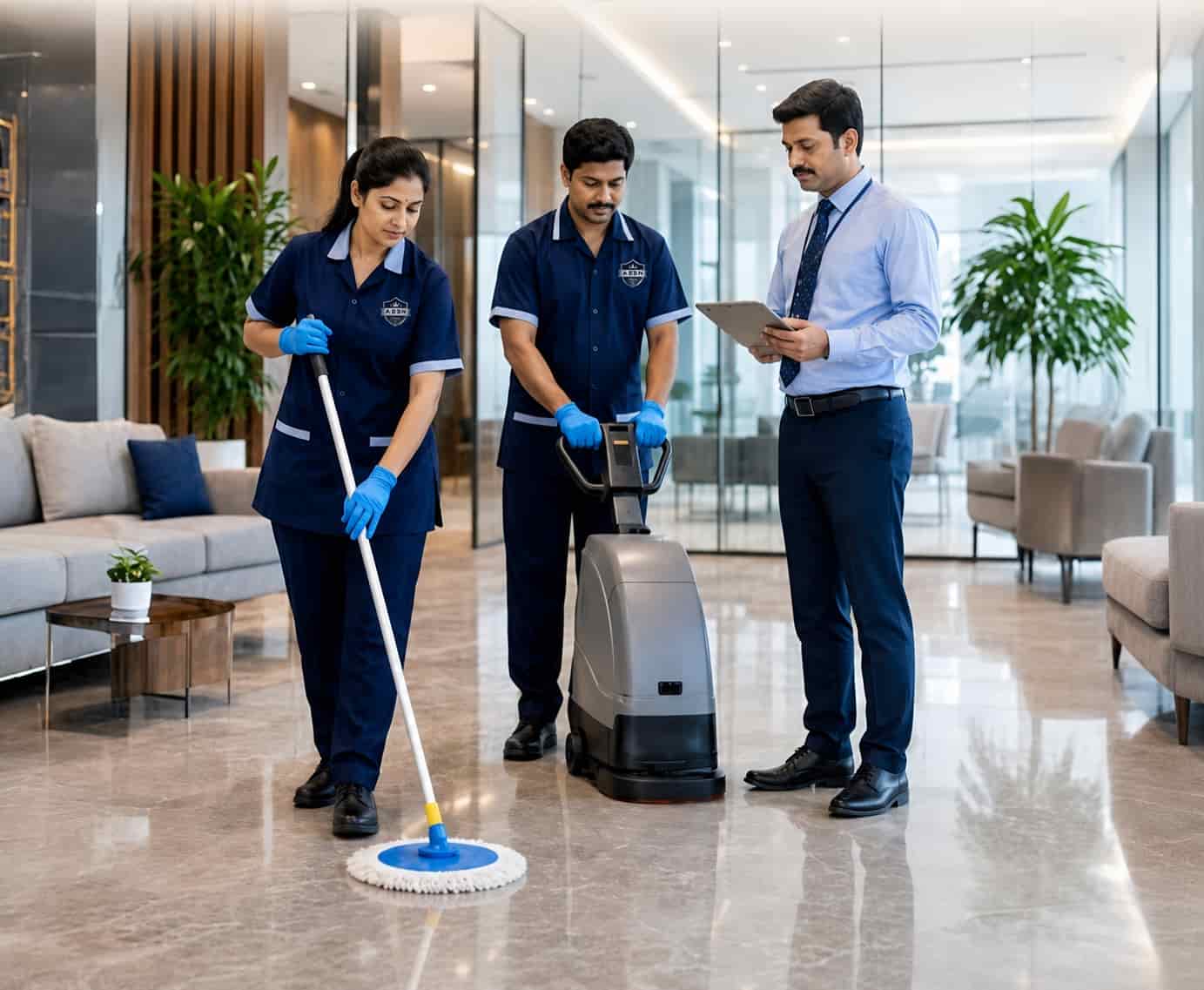
Microfiber cloths, high-efficiency particulate air (HEPA) vacuum cleaners, and low-water cleaning systems can reduce chemical and energy use while improving cleaning effectiveness. Proper maintenance of equipment ensures long life and performance.
Waste reduction and disposal
Establish recycling streams for packaging, use concentrate refill systems, and minimize single-use items. For hazardous waste or regulated disposals, follow New Jersey Department of Environmental Protection (NJDEP) guidance and local Bergen County programs to ensure compliant handling and disposal.
Regulatory guidance and certifications
Businesses should be aware of federal and state requirements that may affect cleaning operations, including chemical labeling and disposal rules. National programs such as EPA Safer Choice provide criteria for safer cleaning products and can be a useful reference when evaluating options. For product selection and compliance details, consult the EPA Safer Choice resource: EPA Safer Choice. Local regulatory agencies, including the New Jersey Department of Environmental Protection, provide guidance on waste management and stormwater protection relevant to commercial cleaning activities.
Measuring impact and communicating results
Metrics to track
Track product volumes, number of spill incidents, waste diverted from landfill, and indoor air quality indicators if monitoring is feasible. Energy and water use associated with cleaning activities can also be included in sustainability metrics.
Reporting and tenant communication
Document procedures, product lists, and training records to support stakeholder inquiries and sustainability reporting. Clear labeling of cleaning products and instructions for occupants (for example, guidance on shared spaces) helps maintain program integrity.
Cost considerations and return on investment
Initial costs may include procurement of new equipment, staff training, and transition to bulk or refill systems. Many organizations report operational savings over time from reduced product use, lower water consumption, and longer equipment life when adopting efficient technologies. Consider pilot projects in one building or floor to measure costs and benefits before scaling up.
Conclusion
Green cleaning for Closter businesses provides a structured way to reduce environmental impact, improve occupant health, and align with local and state sustainability expectations. A phased approach that begins with assessment, adopts clear procurement standards, invests in training, and measures outcomes will produce the most reliable results.
Frequently asked questions
What is green cleaning for Closter businesses?
Green cleaning for Closter businesses refers to using lower-toxicity products, efficient equipment, and waste-reduction practices tailored for commercial properties in Closter to minimize environmental and health impacts.
Are green cleaning products effective for commercial spaces?
When selected and used correctly, green cleaning products and best practices—including proper dilution, microfiber use, and equipment maintenance—can meet or exceed the cleaning performance of conventional products while reducing harmful emissions.
Which local regulations affect disposal of cleaning chemicals in Closter?
Disposal and hazardous waste management are governed by state-level rules from the New Jersey Department of Environmental Protection (NJDEP) and local Bergen County programs. Consult NJDEP resources for specific disposal requirements and reporting obligations.
How can a business verify product claims?
Review Safety Data Sheets (SDS), ingredient disclosure, and relevant third-party certifications or standards. Where available, reference official program criteria such as EPA Safer Choice to validate safer product formulations.
How should a small business start a green cleaning program?
Begin with a site assessment, set procurement specifications, pilot product and equipment changes on a limited scale, provide staff training, and track simple metrics such as product use and waste diversion to evaluate effectiveness before wider rollout.