Choosing the Best Commercial Kitchen Flooring
-

- May 15th, 2026
- 5,579 views

FREE SEO Topical Map Generator: Find Your Next Content Ideas
Selecting the right surface for a high-traffic culinary environment is a major decision for any business owner. The foundation of your workspace dictates the safety and efficiency of your daily operations. A poor choice leads to cracks, while the right material ensures longevity.
In professional settings, the demands placed on the ground are immense. From heavy equipment to constant foot traffic, the surface must remain resilient. It is not just about aesthetics; it is about creating a workspace that supports the rigorous pace of a modern kitchen.
Durability and Commercial Kitchen Flooring
When we discuss the longevity of a facility, we have to look at the structural integrity of the materials used. Many traditional options fail when exposed to the harsh conditions of a food prep area. Investing in high-quality Commercial kitchen flooring is the only way to guarantee a seamless and non-porous environment.
These industrial systems are engineered to handle the weight of heavy ovens and rolling racks without buckling. Unlike residential options, these coatings are designed specifically for the "no-fail" zones of the hospitality industry. They provide a dense, rock-hard barrier that protects the underlying concrete slab from damage.
Why Thermal Shock Resistance Matters
Thermal shock is a common cause of floor failure in the culinary world. This happens when boiling water hits a cold floor or when ice-cold spills occur near hot ovens. This rapid temperature change causes materials to expand and contract, often leading to delamination or deep structural cracking.
Urethane cement systems are specifically formulated to match the thermal expansion of concrete. This ensures that the bond remains tight regardless of the temperature fluctuations. By choosing this technology, managers can avoid the costly downtime associated with frequent floor repairs and replacements.
Slip Resistance and Safety Standards
Safety is a non-negotiable factor in any zone where oil and water are present. Slippery surfaces are a major liability for employers and a danger to the staff. Specialized coatings include adjustable textures that provide maximum traction even in the wettest conditions of a dishwashing area.
Regional Needs for Commercial Kitchen Flooring NJ
Operating a business in the Northeast involves adhering to strict regional health and safety codes. The local climate and building standards require a specialized approach to facility maintenance. Finding a team that understands Commercial kitchen flooring nj ensures that your installation meets all local USDA and FDA compliance requirements perfectly.
These regional experts are familiar with the specific challenges of Tri-State area buildings. They provide heavy-duty solutions that are built to last in high-volume urban environments. A professional local installation means faster turnaround times and a floor that is optimized for the local market's intense demands.
The Science of Slip Resistance
Slip resistance is not a one-size-fits-all solution; it must be tailored to specific zones. A dry storage area may require less texture than a high-moisture dish pit or prep station. Industrial coatings allow for customized grit levels to be added during the installation process for maximum safety.
This prevents common workplace injuries that lead to lost time and insurance claims. A staff that feels secure on their feet is more confident and efficient in their roles. Investing in a high-traction surface is a proactive step that demonstrates a commitment to the well-being of every team member.
Resistance to Thermal Shock
Thermal shock occurs when floors are subjected to extreme temperature shifts in seconds. In a kitchen, this is a daily occurrence near walk-in freezers and industrial ranges. Standard epoxy or tile will often crack under this stress, but urethane cement is designed to handle these fluctuations with ease.
Maximizing Hygiene with Commercial Kitchen Flooring
Cleanliness is the hallmark of a world-class culinary operation. A floor that absorbs liquids will eventually produce foul odors and harbor dangerous pathogens. Implementing a high-performance Commercial kitchen flooring system creates an impenetrable barrier that keeps contaminants on the surface where they can be easily washed away.
These systems are non-porous, meaning they do not allow liquids to seep into the concrete slab. This protects the building's structure from water damage and prevents the growth of mold. It is a critical component of a comprehensive food safety plan that protects both the customers and the business reputation.
Benefits of Seamless Installations
Eliminates grout lines where bacteria thrive.
Provides a smooth transition for rolling racks and carts.
Simplifies the nightly deep-cleaning process for the staff.
Enhances the professional appearance of the facility.
The Role of Coved Bases
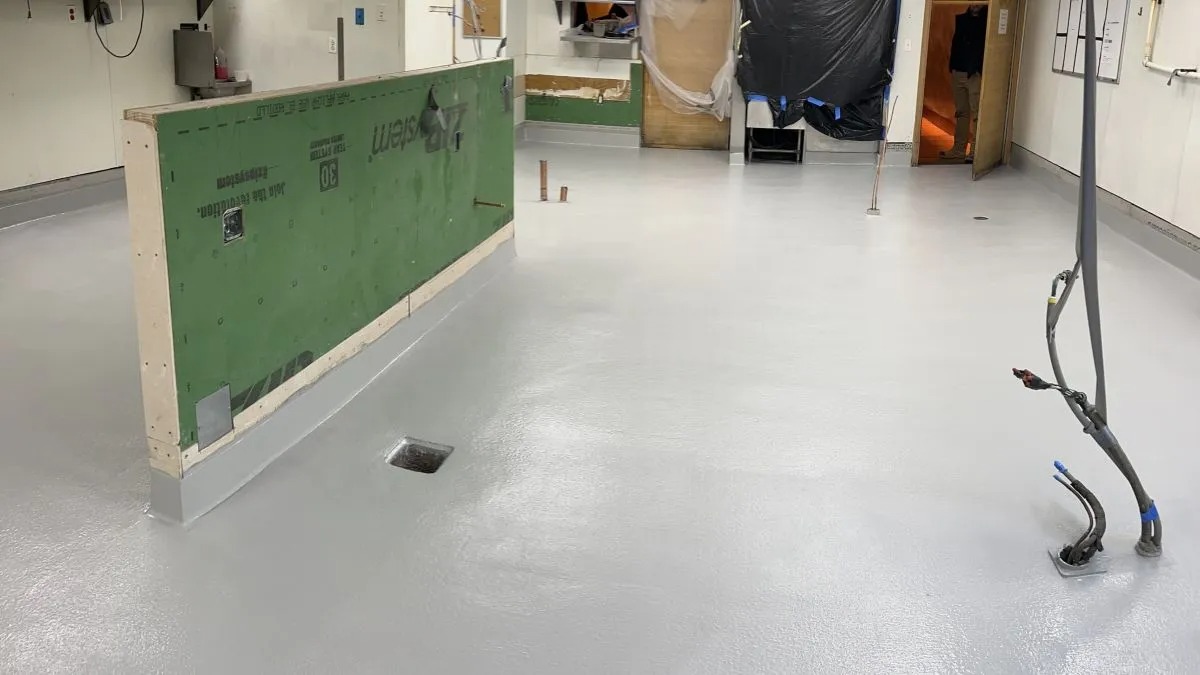
Coving is the process of curving the flooring material up the wall to create a seamless joint. This prevents water from pooling in the corners where the wall meets the floor. It is a requirement in many health jurisdictions because it makes the entire room significantly easier to sanitize with a hose or mop.
Durability Against Heavy Traffic
A professional kitchen never sleeps, and neither does the floor. The surface must endure constant foot traffic and the movement of heavy machinery without showing signs of wear. High-performance urethane systems offer superior impact resistance compared to traditional ceramic tiles or vinyl options.
Maintenance and Sanitation Efficiency
A seamless floor is significantly easier to clean than one with grout lines. Bacteria and mold often hide in the cracks of traditional tile, leading to health code violations. Resinous systems eliminate these hiding spots, allowing for a much faster and more effective sanitization process every night.
Industrial-grade floors are also resistant to the harsh chemicals found in professional degreasers. You can scrub these surfaces repeatedly without worrying about the finish dulling or peeling. This chemical resistance ensures that the facility looks professional and stays sanitary for many years of constant service.
Long-Term Value for Business Owners
While the initial investment in a professional floor might be higher, the long-term savings are substantial. You save money on repairs, reduce the risk of workplace accidents, and ensure your facility passes every inspection. A durable floor is a silent partner in the success of your culinary enterprise.
Conclusion
The right flooring system is the backbone of any successful commercial kitchen. By prioritizing thermal shock resistance, slip-proof textures, and regional expertise, you protect your staff and your investment. Choosing a high-performance urethane system ensures a safe, sanitary, and productive environment for your entire team to excel in.