How Workplace Design Can Improve Employee Experience and Business Performance
-
- Published Updated
- 4,277 views
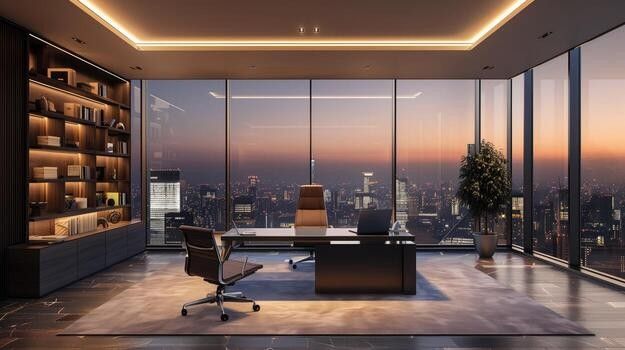
How Thoughtful Office Layouts Improve Everyday Productivity
A modern office is more than a collection of desks, chairs, and meeting rooms. The way a workplace is planned can influence how employees communicate, concentrate, collaborate, and complete their daily responsibilities. A thoughtful office layout brings together comfort, functionality, lighting, storage, technology, and visual appeal to create a space that supports different working styles.
Understand the Purpose of Each Area
Before selecting furniture or decorative elements, businesses should understand how each part of the office will be used. A reception area should feel welcoming and professional, while private work zones should support concentration. Meeting rooms need suitable seating, presentation facilities, and enough space for discussion. Break areas can provide employees with a comfortable place to relax and recharge.
When every area has a clear purpose, the office becomes easier to navigate and more efficient. This type of planning also prevents valuable floor space from being wasted on areas that are rarely used.
Create Flexible Work Zones
Modern teams often move between individual tasks, group discussions, online meetings, and creative activities. A fixed layout may not support all these requirements. Flexible work zones can provide a better solution by allowing employees to choose an environment that matches the task.
Movable furniture, adaptable tables, small collaboration areas, and multipurpose rooms can make an office easier to change as business requirements develop. Flexibility is particularly useful for growing companies because the workplace can be adjusted without completely redesigning the space.
Choose Furniture for Comfort and Function
Office furniture should look professional, but appearance should not be the only consideration. Employees spend many hours working at their desks, so comfortable seating and practical work surfaces are important. Chairs should provide suitable support, while desks should offer enough room for computers, documents, and other equipment.
Storage should also be planned carefully. Cabinets, shelves, and organized filing areas can reduce clutter and keep frequently used materials accessible. A clean workspace can make daily activities easier and create a more organized professional environment.
Use Lighting to Support Different Activities
Lighting has an important role in workplace design. A combination of natural and artificial lighting can help create a balanced environment. Where possible, workstations can be positioned to benefit from daylight while avoiding uncomfortable glare on computer screens.
Different areas may also require different lighting levels. Meeting spaces, reception areas, focused work zones, and relaxation areas can each benefit from suitable lighting choices. Thoughtful lighting design can improve the overall atmosphere and make the workplace feel more comfortable throughout the day.
Support Collaboration Without Creating Distractions
Teamwork is an important part of many businesses, but constant noise can make concentration difficult. Instead of placing all employees in one open area, offices can combine collaborative spaces with quieter zones.
Small meeting rooms, informal discussion corners, and shared tables can support communication when teams need to work together. At the same time, designated quiet areas can give employees a place to focus on tasks that require attention. This balance allows collaboration and individual productivity to exist within the same workplace.
Make Technology Part of the Layout
Technology should be considered during the planning stage rather than added later. Power outlets, charging points, network connections, display screens, video conferencing equipment, and cable management can all influence furniture placement.
A well-planned technology setup reduces unnecessary cables and makes equipment easier to access. Meeting rooms should have convenient connections for presentations and online meetings, while individual workstations should provide practical access to power and communication tools.
Add a Professional Visual Identity
An office can also communicate the character of a business. Materials, furniture finishes, artwork, signage, and carefully selected colours can create a consistent visual identity. The goal should not be excessive decoration. Instead, design elements should complement the company's professional image and create a pleasant environment for employees and visitors.
A balanced design can make the workplace feel modern without becoming distracting. Natural materials, plants, simple decorative elements, and well-organized displays can add personality while maintaining a professional appearance.
Plan for Future Growth
Business needs can change quickly. Teams may grow, departments may move, and technology requirements may develop. For this reason, office planning should consider future flexibility.
Modular furniture and adaptable layouts can make it easier to add workstations, change meeting areas, or reorganize departments. Planning for future requirements can reduce the need for frequent major renovations and help businesses make better use of their investment.
Conclusion
A successful workplace combines practical planning with comfort and professional design. By creating purposeful work zones, choosing suitable furniture, using effective lighting, supporting collaboration, integrating technology, and planning for future changes, businesses can develop offices that work well for everyday needs.
Good office design is not simply about making a workplace look attractive. It is about creating an environment where people can focus, communicate, collaborate, and perform their responsibilities comfortably. With careful planning, even a compact office can become an efficient and welcoming workspace that supports both employees and long-term business goals.