Antimicrobial Food Service Flooring: The Science Behind Safer Processing Plants
-

- Published Updated
- 7,323 views
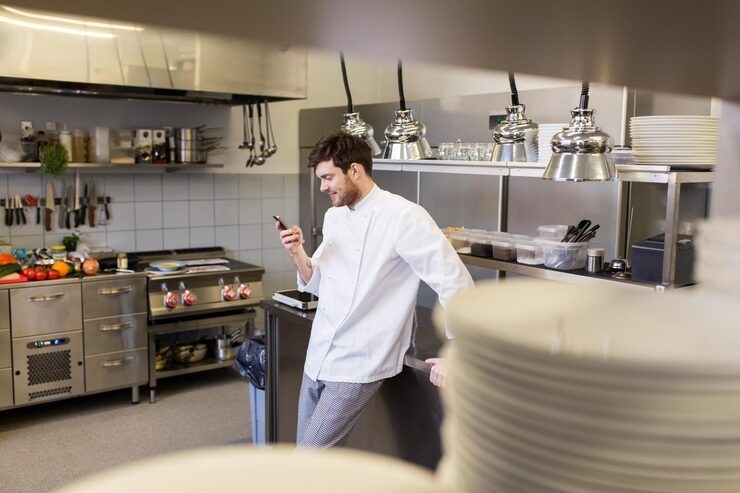
When food safety professionals talk about contamination control, conversations naturally gravitate toward equipment sanitation, temperature management, and worker hygiene protocols. What often gets underweighted is the floor itself. The floor in a food processing facility is the most exposed surface in the entire building. It contacts everything, every piece of equipment, every dropped item, every cleaning cycle, and every worker's footwear. Getting the floor right isn't a detail. It's a foundational safety decision.
High Performance Systems has specialized in certified industrial flooring since 1988, exclusively serving commercial and industrial clients in NJ, NY, and PA. Their expertise in antimicrobial floor coating systems for food environments comes from decades of real installations in genuinely demanding facilities.
How Bacteria Actually Colonize Food Facility Floors
Understanding why certain floors fail microbiologically requires looking at the physical structure of contamination. Bacteria don't spread randomly and uniformly across a smooth, clean surface. They colonize specific locations where organic material accumulates and physical conditions prevent thorough cleaning. In floors, those locations are joints, grout lines, surface cracks, and porous areas. Even micro-pores invisible to the naked eye can harbor significant bacterial populations.
Once a bacterial colony establishes itself in a floor crevice, routine surface cleaning removes the superficial layer but leaves behind deep-seated populations. Without eliminating the physical harborage point, you're managing symptoms rather than solving the problem.
What Seamless Flooring Does That Tiled Floors Cannot
The fundamental advantage of seamless food service flooring over tiled or grouted alternatives is the elimination of every harborage point. When a certified contractor installs a seamless urethane concrete or epoxy system, the resulting surface is continuous and non-porous from wall to wall. There are no joints, no grout lines, and no seams where bacteria can establish colonies beyond the reach of your cleaning protocols.
This isn't just an incremental improvement over tile. It's a fundamentally different sanitation outcome. Facilities using properly installed seamless systems can achieve genuine microbial surface cleanliness that tiled floors simply cannot deliver regardless of cleaning frequency.
How Antimicrobial Properties Are Built Into the Floor System
Modern food-grade floor coating systems don't just prevent bacterial harborage through their seamless structure. They also incorporate antimicrobial additives within the coating material itself. These additives create a surface environment that actively inhibits bacterial growth between cleaning cycles. Combined with the seamless installation approach, the result is a floor that doesn't just pass inspections visually but performs microbiologically throughout the operational day.
High Performance Systems installs these antimicrobial coating systems as standard practice for food service environments. This isn't an optional upgrade. It's part of the baseline specification for any certified food facility floor installation.
The Connection Between Non-Porous Surfaces and USDA Compliance
USDA inspection criteria for food processing facilities specifically address floor surface characteristics. Non-porous, cleanable, and impervious surfaces are required in areas where food is processed, handled, or stored. A floor that looks clean but retains micro-porosity doesn't meet this standard regardless of its visual appearance.
The non-porous nature of properly installed urethane concrete and thermal-cured epoxy systems directly satisfies this USDA requirement. Choosing food and beverage flooring that meets the non-porous standard from installation day one removes compliance uncertainty and gives your facility a defensible record during regulatory audits.
Why Poultry and Meat Processing Plants Have the Highest Flooring Standards
Poultry and meat processing environments operate under some of the strictest USDA oversight in the entire food industry. These facilities deal with raw animal products that carry inherent pathogen risks, combined with the environmental conditions needed for processing. Wet floors, aggressive cleaning chemicals, blood and fat residue, and temperature-controlled environments all combine to create extreme demands on flooring systems.
High Performance Systems serves these facilities with heavy-duty urethane concrete systems engineered specifically for the combination of biological, chemical, and thermal stressors present in meat and poultry operations. The result is a floor that maintains its antimicrobial integrity and structural performance throughout years of continuous use.
Drainage Integration and Floor-to-Wall Junctures
Antimicrobial flooring performance isn't just about the flat surface. The way the floor meets drains and walls is equally critical from a sanitation standpoint. Poorly designed floor-to-wall junctures create moisture traps and bacterial accumulation points that undermine even the best floor surface. Drain integration that leaves gaps or rough transitions creates the same problem.
Certified industrial contractors like High Performance Systems understand that a complete sanitation solution requires proper engineering at every transition point. Floor-to-wall coves, drain surrounds, and ramp transitions are all part of a fully engineered installation that eliminates sanitation vulnerabilities at every surface interface.
Conclusion
Antimicrobial food service flooring is the engineered answer to one of food processing's most persistent contamination challenges. By eliminating bacterial harborage points through seamless installation, incorporating antimicrobial surface additives, and engineering every transition point for maximum cleanability, certified floor systems deliver safety outcomes that conventional flooring can't match. High Performance Systems has been building these solutions for commercial and industrial clients since 1988, bringing the expertise and certification that food facility compliance demands.
FAQ
Q: How do antimicrobial floor coatings work in food processing environments? A: Antimicrobial coatings combine seamless, non-porous surface installation with built-in antimicrobial additives that inhibit bacterial growth between cleaning cycles, reducing contamination risk throughout the operational day.
Q: Do food facility floors need to meet specific USDA surface standards? A: Yes. USDA guidelines require food facility floors to be non-porous, impervious, and cleanable. Seamless urethane concrete and thermal-cured epoxy systems from certified contractors satisfy all of these requirements.
Q: What makes floor-to-wall junctures important in food facilities? A: Poorly designed floor-to-wall junctures create moisture and bacterial accumulation points that undermine floor sanitation. Properly engineered coved junctures eliminate these contamination points as part of a complete installation.