Why the Right Office Chair Manufacturer Matters for Modern Workplaces
-
- Published Updated
- 5,340 views
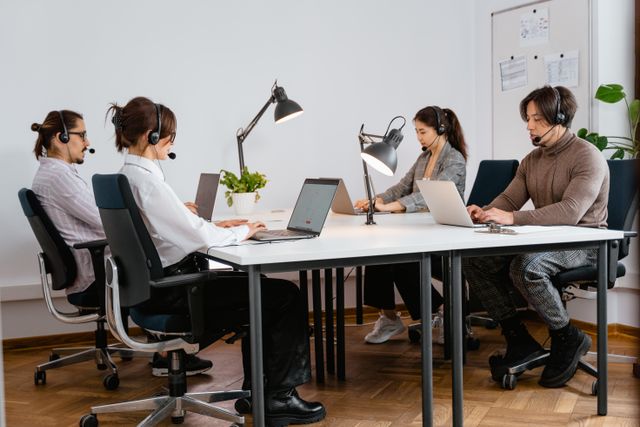
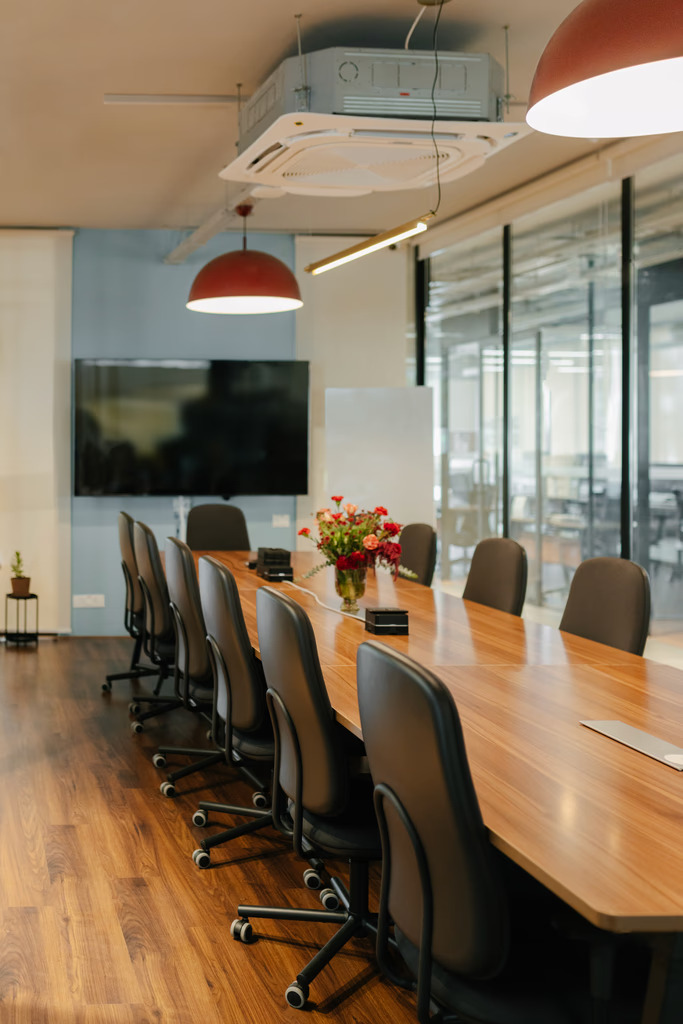
Workplace design has changed dramatically over the past few years, with companies rethinking not just how much office space they need but how that space should feel and function for a workforce that now splits time between home and the office. Within this shift, the choice of office chair manufacturers has quietly become a strategic decision rather than a routine procurement task, because seating directly influences whether employees actually want to spend time in the office. This same intentionality - designing spaces people are genuinely drawn to rather than merely required to occupy - runs through the interiors featured on Espora Spaces' project page, where every element, seating included, is chosen to support how people want to work today.
Seating as a Retention and Wellbeing Tool
With hybrid work giving employees a genuine choice about where they work each day, offices are competing with the comfort of a home setup. A poorly designed chair that causes back strain by mid-afternoon is a small but real reason for someone to choose working from home over commuting into the office. Forward-thinking HR and facilities teams increasingly treat quality seating as part of the broader employee wellbeing strategy, alongside natural lighting, air quality, and breakout spaces. Office chair manufacturers who understand this shift are designing products specifically marketed around this retention angle, emphasizing long-duration comfort testing and posture health data rather than just price points.
The Cost of Getting It Wrong
Choosing the wrong manufacturer has costs that extend well beyond the purchase price. Chairs that break down within a year lead to repeated procurement cycles, increased maintenance overhead, and, in some cases, employee complaints that escalate into occupational health concerns. There is also a less obvious cost: visual inconsistency. When chairs from an unreliable manufacturer wear unevenly across an office floor, some looking newer than others within the same batch, it creates a subtly unprofessional impression during client visits or interviews, undermining the broader investment a company has made in its office design.
Aligning Manufacturer Choice with Brand Identity
Seating is one of the most visually prominent elements of any office, appearing in nearly every photograph, video call background, and client walkthrough. Because of this visibility, the manufacturer chosen needs to offer more than ergonomic performance — it needs to offer design flexibility that aligns with brand identity. A creative agency and a law firm have very different visual languages, and office chair manufacturers who offer a genuinely broad range of finishes, from minimalist mesh-back task chairs to upholstered leather executive seating, give design teams the flexibility to keep furniture consistent with the rest of the brand experience rather than settling for whatever is available off the shelf.
Scalability for Growing Teams
Fast-growing companies also need manufacturers who can scale with them. A manufacturer capable of fulfilling a fifty-seat order today should ideally be able to support a five-hundred-seat expansion within the same design language a year later, without discontinuing the model or forcing a mismatched follow-up order. This kind of manufacturing continuity is an underrated factor in vendor selection, since inconsistent product availability can force facilities teams into awkward furniture mismatches during expansion phases, undermining the cohesive look a company worked hard to establish in its first office fit-out.
Bringing Facilities, HR, and Design Teams Together
One reason this decision is often mismanaged is that it sits awkwardly between departments. Facilities teams typically own the purchasing relationship with office chair manufacturers, HR cares about the wellbeing and retention impact, and design or brand teams care about visual consistency, yet these groups rarely sit in the same vendor evaluation meeting. Companies that deliberately bring these stakeholders together before finalizing a manufacturer tend to avoid the common scenario where a facilities team optimizes purely for cost, only for HR to later field complaints about discomfort or for the design team to discover the chairs clash with a recently rebranded office palette. A short, structured evaluation involving all three functions early in the process resolves most of these conflicts before a purchase order is ever signed.
This cross-functional approach also pays off when it comes time to negotiate contracts. A manufacturer relationship backed by facilities, HR, and design teams collectively is generally taken more seriously during pricing and service-level discussions than one negotiated by a single department in isolation, since the manufacturer recognizes the account carries broader organizational weight and long-term repeat business potential.
Making the Decision Strategically
Ultimately, the manufacturer behind an office chair shapes far more than comfort - it shapes retention, brand perception, long-term costs, and how well a growing company can maintain design consistency as it expands. Businesses that approach this decision strategically, evaluating manufacturers on ergonomic research, material transparency, and scalability rather than unit price alone, tend to build workplaces that employees are genuinely glad to walk into each day.
This is the same strategic, people-first thinking that defines great workplace design as a whole, and it is visible throughout the range of environments featured across Espora Spaces' portfolio of projects, where furniture, layout, and atmosphere are planned together to create offices people actually enjoy working from.