Choosing the Right Temporary Fencing Solution for a Secure Site
-

- Published Updated
- 4,689 views
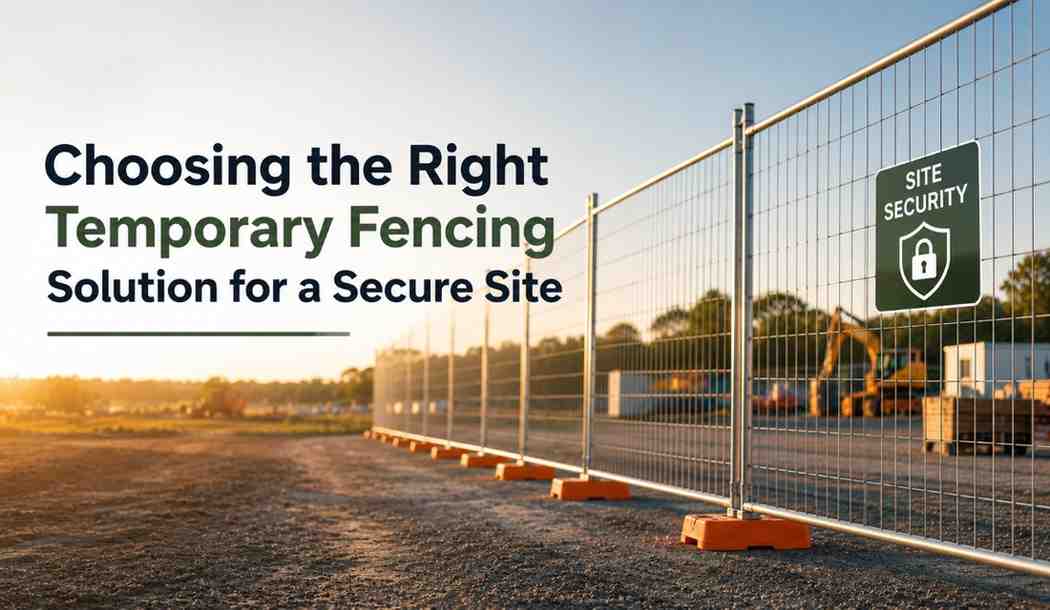
Temporary fencing is a practical solution for creating a safe and controlled area when permanent fencing is not suitable or required. It can be used for construction projects, events, property maintenance, temporary work areas and many other situations where site access needs to be managed.
Choosing the right temporary fencing solution is important because the fence needs to provide reliable separation, support site safety and remain stable throughout the period of use. The right setup can also make it easier to control movement, protect equipment and keep unwanted visitors away from restricted areas.
What is Temporary Fencing?
Temporary fencing is a removable fencing system designed to provide short-term security and separation. Unlike permanent fencing, it can be installed when required and removed once the project or activity has finished.
Temporary fencing panels are generally connected using suitable joining components and supported with stable bases. This creates a flexible barrier that can be adjusted according to the size and layout of the site.
Depending on the application, temporary fencing can be used to create boundaries around work areas, control pedestrian access, separate storage areas or provide additional protection during temporary projects.
Why Is Temporary Fencing Important?
Site safety is an important consideration for construction projects, events and other temporary activities. Open or poorly controlled areas can create risks for workers, visitors, equipment and members of the public.
Temporary fencing provides a clear physical boundary that helps separate restricted areas from accessible spaces. It can also help guide people towards designated entry points and reduce unnecessary movement around active work areas.
For businesses planning a temporary site setup, understanding the benefits of using temporary fencing can help when deciding whether this type of fencing is suitable for the project.
Temporary Fencing for Construction Sites
Construction sites are one of the most common applications for temporary fencing. Work areas can contain machinery, building materials, tools and unfinished structures that should not be accessible to unauthorised people.
A properly installed temporary fencing system can create a clear boundary around the construction area while allowing authorised workers and vehicles to enter through controlled access points. As the project develops, the fencing can also be moved or adjusted to match changes in the work area.
Businesses can also learn more about temporary fencing for construction sites when planning fencing requirements for different stages of a project.
Temporary Fencing for Events and Public Areas
Temporary fencing can also be useful for events, exhibitions, community activities and other public gatherings. It can help separate event areas, control pedestrian movement and protect specific sections of a venue.
Because temporary fencing can be installed and removed relatively easily, it provides flexibility for events that only operate for a limited period. The fencing layout can also be changed depending on the number of visitors, access requirements and overall site arrangement.
Choosing the Right Temporary Fencing
Not every site has the same fencing requirements. The right temporary fencing solution depends on the size of the area, expected usage, ground conditions and the level of access control required.
Before choosing a system, consider where the fencing will be installed and how long it will be required. Think about whether the fence needs to be moved regularly or remain in one position throughout the project.
The strength and quality of the panels are also important. Durable fencing should be able to handle regular use and changing outdoor conditions without becoming unstable or damaged.
Temporary Fencing and Site Safety
A well-planned temporary fencing system can contribute to a safer and more organised site. It creates a visible boundary and helps make it clear which areas are restricted.
Correct installation is just as important as choosing quality fencing. Panels should be positioned securely, joined correctly and supported properly to reduce the risk of movement.
It is also useful to understand the common mistakes when installing temporary fencing so avoidable installation issues can be identified before the fencing is put into use.
Portable and Flexible Fencing Solutions
One of the main advantages of temporary fencing is its flexibility. Unlike a fixed fence, temporary fencing panels can be dismantled and relocated when site requirements change.
This makes temporary fencing suitable for projects where work areas move over time. A business may use the same panels in different locations instead of installing a completely new fence for every project.
Portable fencing can also be useful when a temporary boundary is required for a short period and needs to be removed afterwards without making permanent changes to the property.
Temporary Fencing for Different Applications
Temporary fencing is not limited to construction sites. It can be used in many situations where a secure temporary boundary is required.
Businesses and property owners may use temporary fencing for maintenance work, temporary storage areas, outdoor projects, public events, restricted access zones and property repairs. Its adaptable design makes it possible to create different layouts depending on the specific requirements of the site.
For more ideas, you can also explore uses of temporary fencing other than construction sites.
Temporary Fencing vs Permanent Fencing
Temporary and permanent fencing serve different purposes. Permanent fencing is generally installed as a long-term boundary, while temporary fencing is designed to provide flexibility when a barrier is only required for a limited period.
If a site changes regularly or the fencing will only be needed during a particular project, temporary fencing can provide a more practical option. On the other hand, a permanent fence may be more appropriate when a fixed boundary is required for many years.
Understanding the difference between temporary fencing vs permanent fencing can help property owners and businesses make a more informed decision.
Understanding Temporary Fencing Requirements
Before installing temporary fencing, it is important to consider the conditions of the site and the purpose of the barrier. Ground conditions, weather exposure, pedestrian movement and vehicle access can all influence the type of setup required.
Local requirements and relevant regulations should also be considered where applicable. Businesses should ensure that their fencing arrangement is appropriate for the location and intended use.
You can learn more about temporary fencing regulations when planning a fencing system for a specific project.
Maintaining Temporary Fencing
Regular inspection helps keep temporary fencing in good working condition. Panels, connections, supports and access points should be checked periodically, particularly after strong weather or heavy site activity.
Any damaged or unstable components should be addressed as soon as possible. Keeping the fencing properly positioned and maintained helps ensure that it continues to provide an effective boundary throughout the project.
Final Thoughts
Choosing the right temporary fencing solution starts with understanding the purpose of the fence, the site conditions and how long the barrier will be required. A well-planned system can provide a practical way to improve site security, control access and create a clear separation between working and public areas.
Whether the fencing is required for construction, events, maintenance or another temporary application, selecting durable panels and installing them correctly can make a significant difference to the overall performance of the system. Temporary fencing also provides the flexibility to change or remove the boundary when the project is completed.
For businesses and property owners looking for practical fencing solutions, Gold Coast Racking provides temporary fencing options designed to support a range of temporary site requirements.
Frequently Asked Questions
1. What is temporary fencing used for?
Temporary fencing is used to create short-term boundaries around construction sites, events, work areas, storage areas and other locations where access needs to be controlled.
2. Why choose temporary fencing instead of permanent fencing?
Temporary fencing is useful when a boundary is only required for a limited period or when the site layout may change. It can be installed, moved and removed more easily than permanent fencing.
3. Can temporary fencing be moved?
Yes. One of the main advantages of temporary fencing is its flexibility. Panels can generally be dismantled and relocated when site requirements change.
4. Is temporary fencing suitable for construction sites?
Yes. Temporary fencing is widely used around construction areas to create boundaries, control access and separate active work zones from surrounding areas.
5. How can temporary fencing improve site safety?
Temporary fencing creates a clear physical boundary that can help restrict access to specific areas, guide movement and separate people from equipment or active work zones.
6. What should I consider before choosing temporary fencing?
Consider the size and layout of the site, ground conditions, expected duration, access requirements, weather exposure and the level of security or separation required.
7. How often should temporary fencing be checked?
Temporary fencing should be inspected regularly, particularly after severe weather, movement of heavy equipment or other activities that could affect the stability of the panels and connections.