Structural Retrofitting Services for Stronger Buildings
-

- Published Updated
- 4,141 views
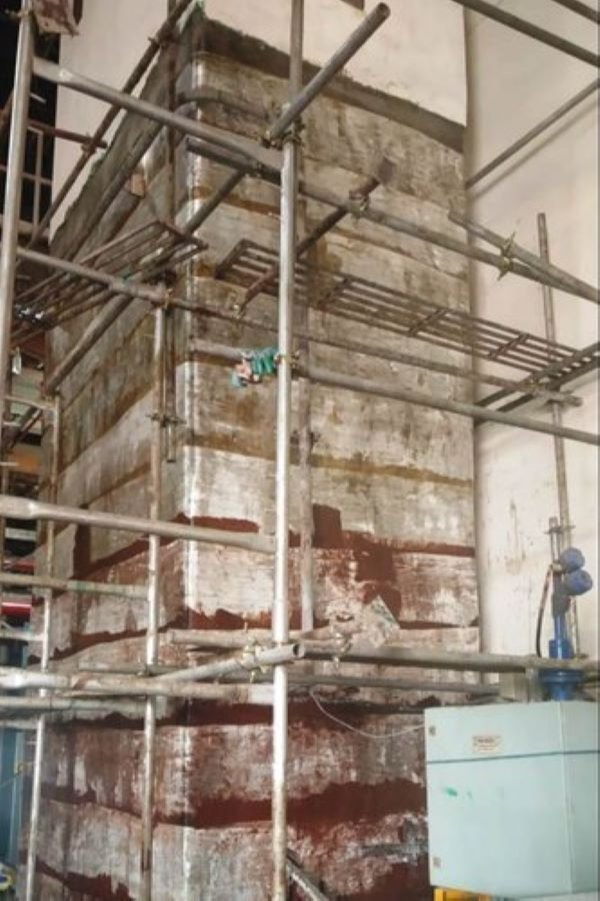
Retrofitting services help restore and improve existing buildings when their strength, safety, or performance no longer meets current requirements. Instead of demolishing a structure, engineers can strengthen selected structural members and extend the building’s useful life. Common solutions include column jacketing, concrete jacketing, and steel jacketing, depending on damage, load demands, site conditions, and project objectives. Choosing the right method begins with a detailed structural assessment and repair strategy.
When Does a Building Need Retrofitting?
Many property owners search for structural retrofitting services when they notice cracks, corrosion, settlement, increased loading, or changes in building use. Retrofitting may also become necessary when an older structure needs improved seismic resistance or when construction quality has affected structural capacity. A professional assessment identifies the cause of distress before strengthening begins. This approach helps avoid unnecessary repairs and ensures the selected strengthening system addresses the actual structural problem.
What Is Structural Retrofitting?
A structural retrofit is not simply an additional layer placed around a damaged member. It is an engineered intervention designed to improve load carrying capacity, stiffness, ductility, durability, or stability. The method depends on the existing concrete condition, reinforcement details, member dimensions, applied loads, accessibility, and expected service life. For this reason, structural strengthening should be planned after inspection, testing, analysis, and an understanding of the building’s intended future use.
Column Jacketing for Structural Strengthening
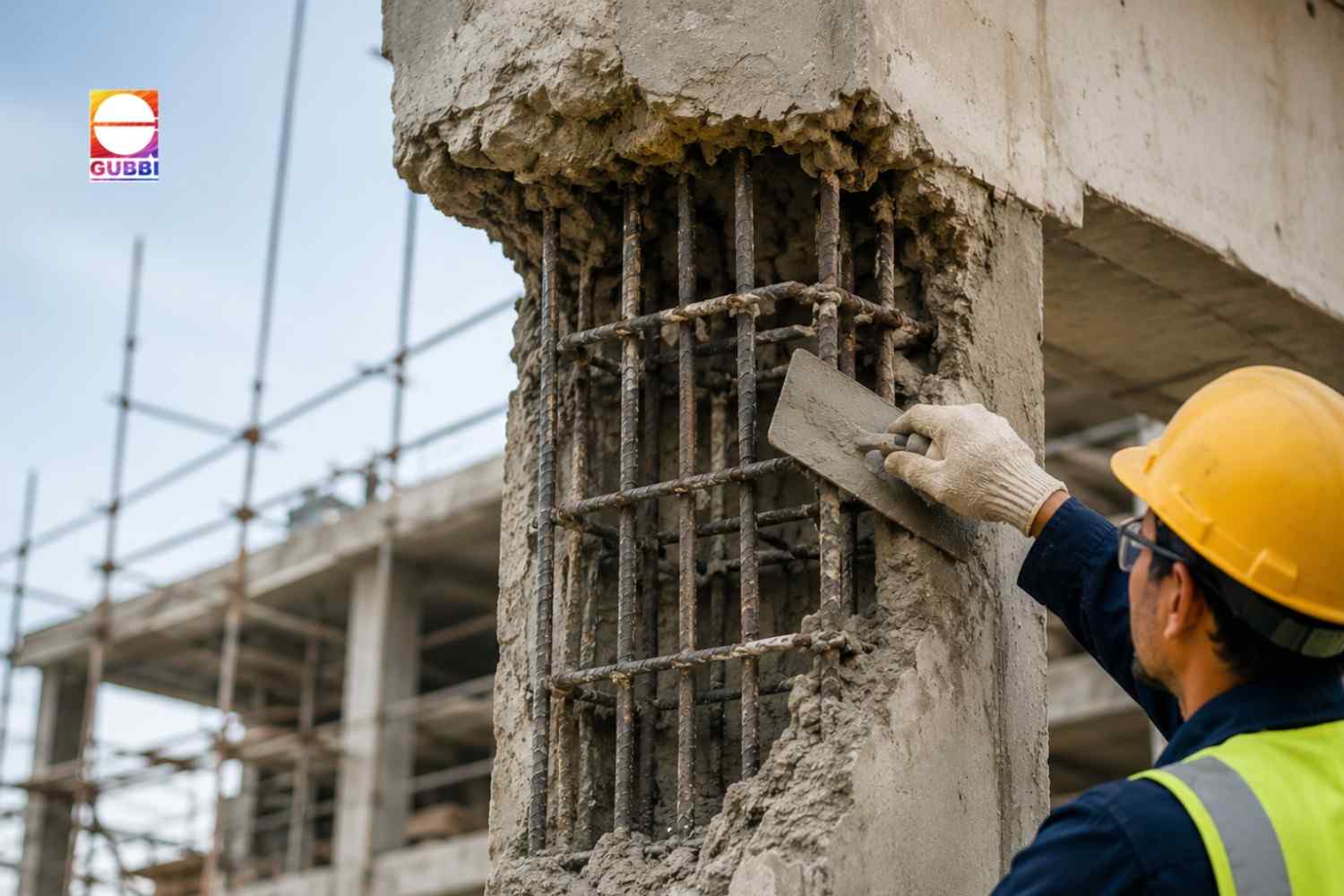
Column jacketing is widely used when existing columns require additional strength, stiffness, confinement, or protection. The technique increases the effective size and capacity of a column by adding a strengthening layer around the existing member. Depending on the design, the jacket can incorporate reinforcement and new concrete or other strengthening materials. It is commonly considered for aging buildings, damaged columns, increased floor loads, and structures requiring rehabilitation.
How Concrete Jacketing Works
Concrete jacketing strengthens an existing column by adding reinforced concrete around its perimeter. The process generally involves preparing the existing surface, exposing or connecting reinforcement where required, installing additional reinforcement, fixing formwork, and placing suitable concrete or microconcrete. Proper bonding and detailing are critical because the new jacket must work effectively with the existing member. Design considerations include load transfer, confinement, reinforcement arrangement, durability, and construction access.
Benefits and Limitations of Concrete Jacketing
Concrete jacketing can be useful where substantial strengthening is needed and additional member dimensions can be safely accommodated. It can improve axial and flexural capacity while providing a robust solution for heavily deteriorated concrete members. However, increasing column size may affect usable space, finishes, services, or clearances. Therefore, the decision should consider both structural requirements and practical site limitations before strengthening work begins on site.
Steel Jacketing for Existing Columns
Steel jacketing is another established method for strengthening existing columns, particularly where rapid installation, confinement, or limited concrete addition is important. Steel plates or sections are arranged around the existing member according to the engineered strengthening design. Connections, welding, bolting details, corrosion protection, and load transfer require careful attention. The column condition must also be evaluated so the jacket provides real structural contribution rather than simply covering visible deterioration.
When Is Steel Jacketing Suitable?
Compared with concrete jacketing, steel jacketing can sometimes reduce the amount of added concrete and provide a compact strengthening arrangement. It may be considered where space is restricted or where construction needs to minimize wet work. However, Components require proper detailing and protection against corrosion, fire, and environmental exposure. The column condition must also be evaluated so the jacket provides real structural contribution rather than simply covering visible deterioration.
Choosing Between Concrete and Steel Jacketing
Selecting between concrete jacketing and steel jacketing should never depend only on material preference. Engineers normally evaluate the extent of damage, required capacity increase, available working space, construction duration, access, existing reinforcement, environmental exposure, and future maintenance. The correct strengthening method is the one that satisfies structural performance while remaining practical to execute. A properly engineered solution can prevent overdesign, reduce disruption, and improve the long-term reliability of the structure.
Importance of Structural Inspection
Before starting column strengthening work, a structural inspection should identify cracks, spalling, exposed reinforcement, corrosion, honeycombing, deformation, and other visible defects. Testing may be recommended to understand concrete quality and reinforcement conditions. Drawings, previous repair records, loading information, and changes in occupancy can provide additional context. These findings help engineers determine whether the column needs repair, strengthening, or a combination of both before selecting the final retrofit system.
Retrofitting Corroded Concrete Columns
Corrosion is one of the common reasons existing reinforced concrete columns require rehabilitation. When reinforcement corrodes, rust expansion can cause cracking, delamination, and concrete spalling, gradually reducing the protection around steel. Simply covering the damaged area does not solve the underlying problem. A suitable repair and strengthening strategy should address deteriorated concrete, reinforcement condition, corrosion causes, and required structural capacity so the repaired column can perform reliably after rehabilitation.
Retrofitting for Increased Structural Loads
Increased building loads can also create a need for structural strengthening. Additional floors, heavier equipment, new machinery, storage changes, or modifications to building use may increase demands on existing columns. A structure that was adequate under its original design loads may require evaluation after such changes. Retrofitting can provide a practical alternative to major reconstruction when analysis shows that targeted strengthening can safely improve the capacity of existing structural members.
Seismic Retrofitting and Structural Safety
Seismic strengthening is another application of retrofitting services, especially for older buildings that were designed before current earthquake-resistant practices became common. Column confinement, improved ductility, stronger connections, and better load paths may be part of a broader seismic retrofit strategy. The intervention depends on the structural system and assessment findings. Strengthening should therefore consider the behaviour of the entire building rather than treating isolated columns without understanding overall structural response.
Assessing Existing Column Conditions
The condition of an existing column strongly influences the choice of jacketing method. Minor surface deterioration may require a different approach from a column with severe corrosion, cracking, reduced cross-section, or inadequate reinforcement. Engineers must understand what remains structurally effective before adding a strengthening system. Repairing damaged concrete first may be necessary in some cases, while heavily compromised members may require temporary support and carefully sequenced strengthening operations.
Construction Sequence for Retrofitting
Construction sequencing is especially important during structural retrofitting because the existing building may remain occupied or operational. Work may need to be completed around people, equipment, electrical services, production activities, or restricted access areas. Temporary supports, controlled demolition, surface preparation, reinforcement installation, and material placement should follow an approved sequence. Careful planning reduces disruption and helps maintain safety while strengthening activities are carried out within an existing structure.
Quality Control During Jacketing
Quality control plays a major role in the performance of concrete and steel jacketing systems. Surface preparation, reinforcement placement, anchorage, formwork, concrete or microconcrete placement, welding, bolting, and curing should be checked against the approved design and method statement. Poor workmanship can reduce the effectiveness of an otherwise suitable strengthening concept. Inspection and documentation during execution provide greater confidence that the completed retrofit will perform as intended.
Material Selection for Structural Retrofitting
Another important consideration is compatibility between new and existing materials. Concrete repairs, jacketing materials, steel components, bonding systems, and protective coatings should be selected according to the structural and environmental requirements. Differences in shrinkage, stiffness, thermal movement, or durability can affect long-term performance if they are ignored. Material selection should therefore be based on engineering requirements, exposure conditions, construction method, and the expected service life of the strengthened member.
Retrofitting vs Reconstruction
Property owners often compare the cost of retrofitting with demolition and reconstruction. The decision depends on the building’s condition, required strengthening, access, project duration, replacement cost, and operational impact. Retrofitting may preserve structural elements and reduce the disruption of rebuilding. However, cost should not be evaluated from the strengthening material alone. Inspection, design, temporary works, repairs, finishing, access, and future maintenance should also be considered.
Selecting a Structural Strengthening Contractor
A professional structural strengthening contractor should understand the existing condition, coordinate with structural engineers, follow approved designs, and execute work under controlled site conditions. Experience with concrete repair, column strengthening, steel fabrication, reinforcement detailing, surface preparation, and protective systems is valuable. For critical structures, choosing an experienced specialist such as Gubbi Civil Engineers Limited can support a systematic approach from assessment and planning through execution and quality control.
Applications of Retrofitting Services
Retrofitting services are used across residential buildings, commercial properties, industrial facilities, institutional structures, warehouses, parking structures, and other concrete buildings. The strengthening requirement can vary significantly between projects. An industrial column supporting heavy equipment may have different demands from a residential building column. Site access, operating conditions, exposure, loading, and future modifications must all be considered when developing a suitable structural strengthening solution for the project.
Common Retrofitting Mistakes to Avoid
One common mistake is selecting a strengthening method before understanding why the structure has deteriorated or become inadequate. For example, repairing cracks without addressing movement, corrosion, water ingress, or excessive loading may only provide temporary improvement. Similarly, adding a jacket without establishing the required capacity can lead to inefficient work. Effective retrofitting begins with diagnosis, followed by structural design, repair planning, method selection, controlled execution, and verification.
Maintaining a Strengthened Structure
Regular inspection after strengthening is also important for long-term performance. Owners should monitor repaired areas for new cracking, moisture ingress, corrosion signs, coating deterioration, or other changes that could affect the retrofit. Maintenance requirements depend on the strengthening system and exposure conditions. A planned inspection and maintenance programme can identify emerging issues early and help protect the investment made in structural rehabilitation and building safety.
Choosing the Right Retrofitting Solution
The best retrofitting solution is therefore not necessarily the largest or strongest-looking intervention. It should provide the required structural improvement while fitting the building’s geometry, use, budget, access limitations, and durability requirements. Column jacketing, concrete jacketing, and steel jacketing each have suitable applications, but their effectiveness depends on correct assessment, engineering design, detailing, and execution. A carefully planned retrofit can extend structural service life while avoiding unnecessary reconstruction.
Retrofitting provides a practical approach to improving the safety, strength, and service life of existing structures without completely replacing them. Depending on the structural condition and project requirements, column jacketing, concrete jacketing, and steel jacketing can address different strengthening needs. Proper assessment, engineering design, material selection, and quality execution are essential for achieving reliable results. With the right retrofitting services, aging or structurally deficient buildings can continue performing safely for years to come.