Boost Book Sales with Targeted Marketing Campaigns: Practical Strategies for Authors
-

- February 23rd, 2026
- 1,342 views
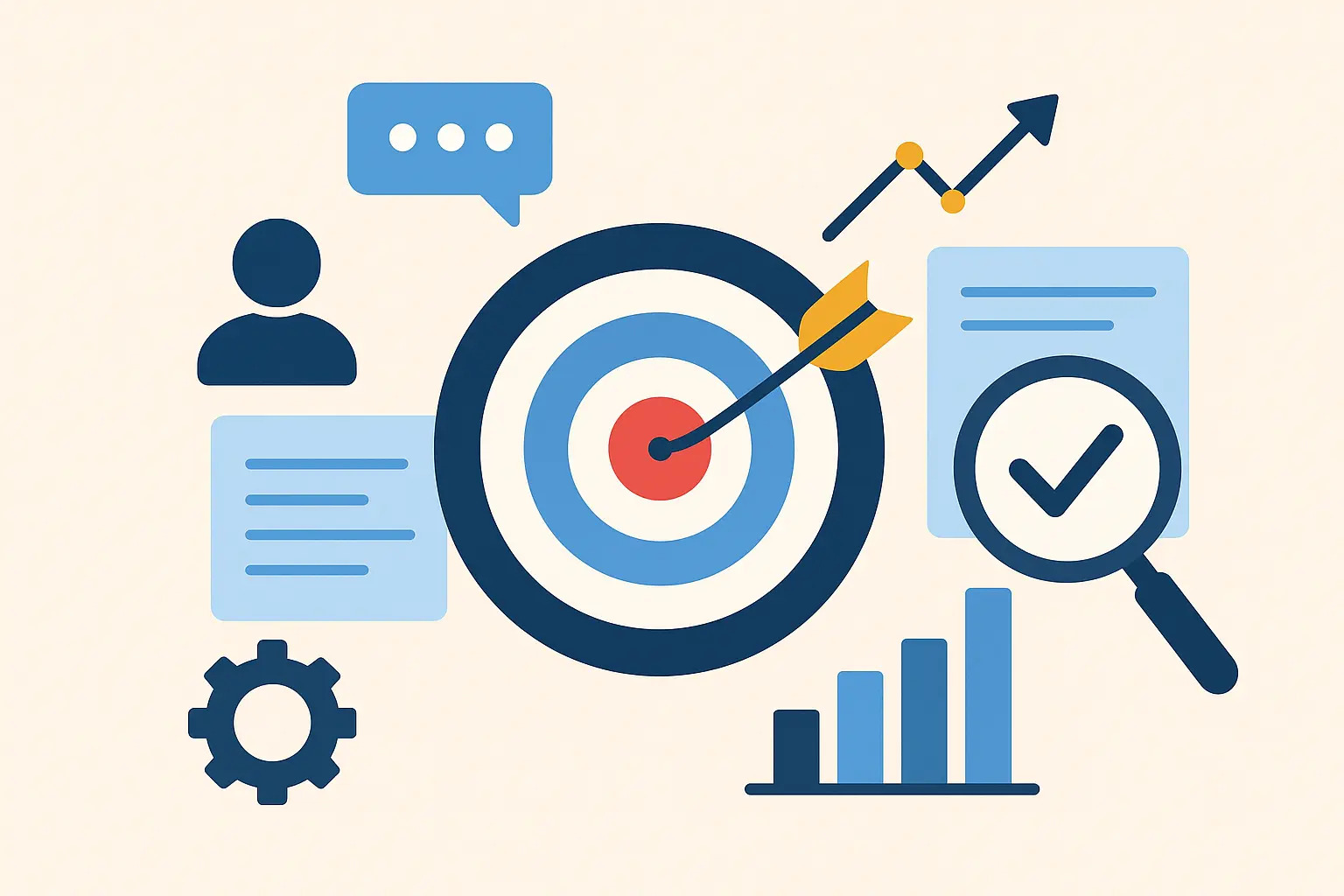
Effective targeted marketing campaigns are essential for authors and publishers who want to increase book sales in a crowded marketplace. By matching messaging, channels, and timing to defined reader segments, promotional efforts become more efficient and more likely to convert interest into purchases.
- Define reader personas and segments before planning campaigns.
- Use a mix of email, social advertising, content marketing, and metadata optimization.
- Measure results with conversion tracking and analytics; iterate using A/B tests.
- Follow data privacy and advertising regulations when collecting and using reader data.
How targeted marketing campaigns increase book sales
Targeted marketing campaigns focus resources on readers most likely to buy, reducing waste and raising conversion rates. Segmentation—by genre preferences, reading habits, purchase history, or demographic characteristics—enables tailored messaging that resonates with specific groups. Combining tailored content with optimized distribution (email, paid ads, social media, bookstore partnerships) improves discoverability and supports sustained sales momentum.
Plan: audience, goals, and positioning
Create reader personas
Develop detailed reader personas that include preferred genres, typical reading formats (e.g., ebook, paperback, audiobook), age ranges, interests, and where those readers spend time online. Personas guide tone, creative assets, and channel choice.
Set measurable goals
Define specific, measurable objectives for each campaign: preorders, launch-week sales, email list growth, or increased retailer visibility. Use key performance indicators (KPIs) such as conversion rate, cost per acquisition (CPA), click-through rate (CTR), and return on ad spend (ROAS) to evaluate performance.
Channels and tactics
Email marketing
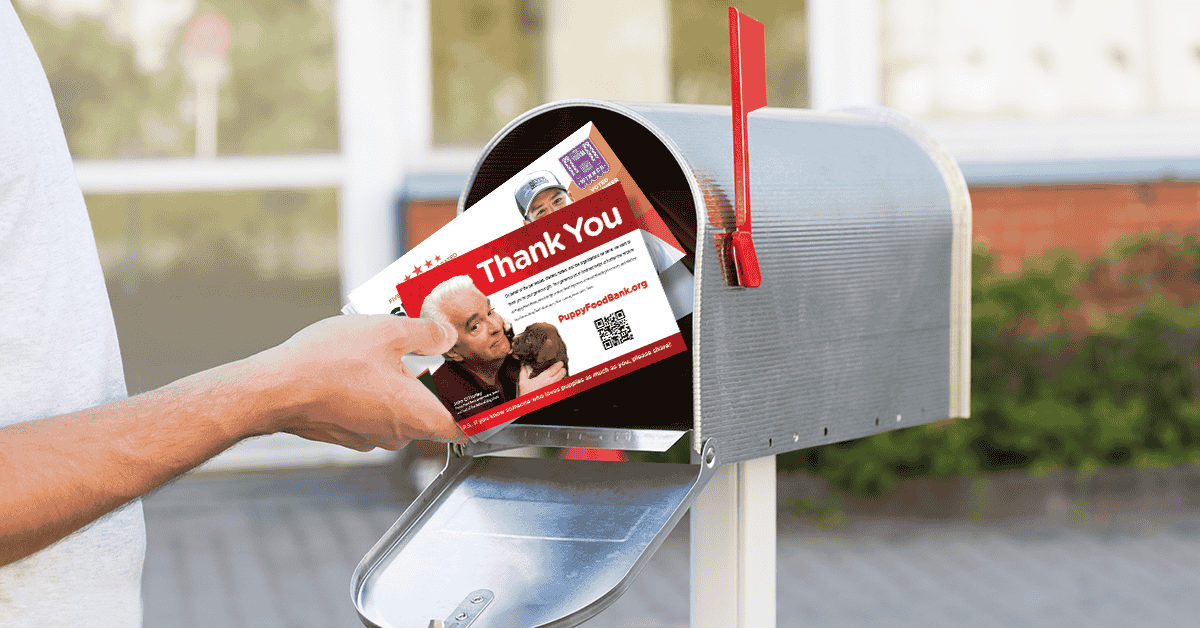
Email remains a high-impact channel for book promotion. Segment lists by interest and engagement level, craft subject lines that convey value (sample chapters, limited discounts, exclusive content), and automate sequences for new subscribers, launch reminders, and follow-ups.
Paid advertising and social media
Use platform targeting (interests, lookalike audiences, keywords) to reach likely readers. Allocate budgets across discovery and retargeting campaigns. For social ads, creative that highlights reviews, blurbs, or a compelling excerpt often performs well.
Content marketing and partnerships
Publish articles, guest posts, or excerpted content that aligns with reader interests. Collaborate with book bloggers, podcasters, and reviewers who reach the target audience. Consider coordinated promotions with authors in similar genres to expand reach.
Influencer outreach
Identify reviewers and micro-influencers who regularly discuss books in the relevant genre. Micro-influencers can deliver engaged audiences with higher conversion potential and lower cost than large-scale endorsements.
Retail discoverability and metadata
Optimize book metadata—title, subtitle, description, categories, and keywords—so retailer search algorithms surface the title to relevant shoppers. Ensure accurate ISBN and distribution details. Good metadata increases organic discoverability on retailer sites and library catalogs.
Measurement and optimization
Tracking and analytics
Implement tracking for traffic sources, link clicks, and conversions. Use UTM parameters and retailer reporting where available to attribute sales. Compare campaigns by CPA, conversion rate, and lifetime value (where measurable).
A/B testing and iteration
Test elements such as subject lines, ad creative, imagery, calls to action, and landing pages. Run controlled A/B tests, analyze results, and reallocate budget to the highest-performing variants.
Budgeting and timelines
Allocate spend by funnel stage
Distribute budget across awareness (discovery ads, content), consideration (email nurture, sample chapters), and conversion (launch-week discounts, paid promos). For many titles, a concentrated launch window supported by pre-launch list-building brings better early momentum.
Plan a launch sequence
Organize a timeline that includes pre-launch outreach to reviewers, a dedicated preorder period (if applicable), launch-day promotions, and post-launch follow-ups to sustain visibility.
Legal and ethical considerations
Data protection and advertising rules
Collect and use reader data in compliance with applicable laws such as the General Data Protection Regulation (GDPR) for EU readers and the CAN-SPAM Act in the United States. Follow advertising platform policies and disclose paid partnerships or sponsorships in accordance with Federal Trade Commission (FTC) guidance.
Respect platform and reviewer guidelines
Adhere to retailer and review platform rules regarding reviews, paid promotions, and giveaways. Transparency preserves credibility and long-term reader trust.
Evidence and industry context
Research on media consumption and readership can inform channel choices and messaging. For example, broad studies of reading habits and digital engagement provide context for where target readers are most likely to be reached. Additional data on digital advertising and email benchmarks can help set realistic performance expectations. For general audience research on reading and technology use, see the Pew Research Center's studies on reading and media habits: Pew Research Center.
Common mistakes to avoid
- Skipping audience research and promoting to a broad, undefined group.
- Neglecting metadata and retailer optimization in favor of only paid ads.
- Failing to track conversions, making it impossible to judge campaign effectiveness.
- Not accounting for platform policies and privacy regulations when collecting data.
FAQ
How can targeted marketing campaigns improve book sales?
Targeted campaigns increase relevance by matching creative and offers to reader interests, which typically raises conversion rates and reduces wasted spend. Segmentation and channel choice enable more precise outreach and better measurement of what drives purchases.
What are the best channels for promoting fiction versus nonfiction?
Fiction often benefits from social discovery, bookstagram/booktok communities, and reader groups. Nonfiction may perform better with content marketing, guest articles, podcasts in relevant fields, and targeted professional or hobbyist audiences.
How should success be measured for a book marketing campaign?
Measure success with KPIs aligned to goals: sales and revenue, conversion rates for specific channels, cost per acquisition, email list growth, and engagement metrics. Use analytics and retailer reports to attribute outcomes and refine strategy.
Is paid advertising necessary for most book launches?
Paid advertising is not strictly necessary but can accelerate reach and support discovery, especially for debut authors or niche genres. Combining organic tactics (email, partnerships, metadata) with a modest paid budget often yields better results than relying on a single approach.