Tattoo Removal Options in Riyadh: Methods, Costs, Clinics, and Aftercare
-

- February 23rd, 2026
- 1,314 views
Seeking tattoo removal Riyadh services requires understanding available methods, typical session counts, costs, and safety considerations before booking treatment. This guide summarizes common techniques, what influences results, and how local regulation and clinic standards affect outcomes.
- Common techniques: Q-switched lasers, picosecond lasers, surgical excision, and non-laser methods have different suitability profiles.
- Number of sessions varies by ink color, tattoo age, size, skin type (Fitzpatrick scale), and machine type.
- Costs in Riyadh depend on clinic, practitioner qualifications, and treatment complexity; ask about licensing and expected session plan.
- Choose providers accredited by the Saudi Commission for Health Specialties or operating under the Saudi Ministry of Health guidelines.
Tattoo Removal Riyadh: Overview of methods and considerations
Common removal methods
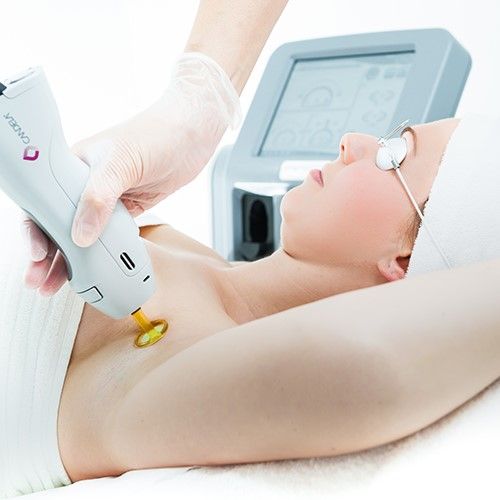
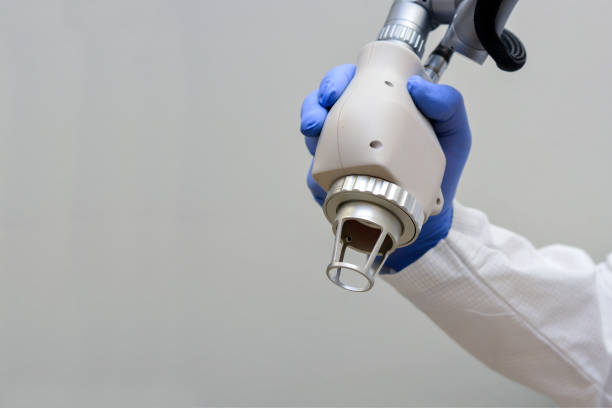
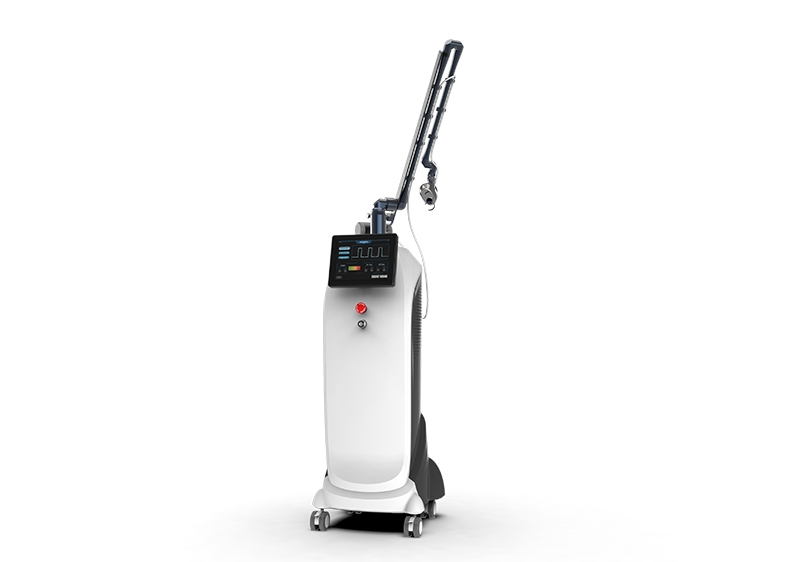
Laser removal is the most widely used method and includes Q-switched nanosecond lasers and picosecond lasers; both target ink particles with high-energy light pulses to break pigment into smaller fragments that the body can absorb. Surgical excision and dermabrasion are alternatives for some tattoos, but they can leave scars and are used less frequently for larger or complex tattoos. Topical creams marketed for 'tattoo fading' are generally ineffective for complete removal and are not endorsed by dermatology authorities.
How skin type and tattoo characteristics affect results
Removal outcomes depend on tattoo age, ink colors (black and dark blue respond best; greens, yellows, and whites are harder), ink depth, and the recipient's skin tone. The Fitzpatrick skin type classification is commonly used to assess risk of pigmentary changes. Darker skin tones often require specialized laser settings to reduce the risk of hypopigmentation or hyperpigmentation.
Safety and regulation
Clinics in Riyadh are expected to meet health and safety standards set by national regulators. When evaluating providers, check credentials with the Saudi Commission for Health Specialties and consider clinics that follow guidelines from dermatology organizations, such as the American Academy of Dermatology, for laser safety and informed consent. For national standards and public guidance, consult the Saudi Ministry of Health.
Types of lasers and technology
Q-switched vs picosecond lasers
Q-switched lasers emit high-energy pulses in the nanosecond range and have been a mainstay for decades. Picosecond lasers deliver pulses in a shorter timeframe and may fragment ink particles more effectively for some colors, potentially reducing the number of sessions. Neither technology guarantees complete removal in all cases; results vary by pigment composition and depth.
Fractional lasers and adjunctive approaches
Fractional lasers can be used for scar revision after removal or to improve texture, but they are not typically primary tools for ink elimination. Some clinics combine laser treatments with topical treatments or medical tattoo-lightening techniques under clinical supervision.
What to expect: sessions, downtime, and likely outcomes
Number of sessions and spacing
Multiple sessions are usually required, often spaced 6–12 weeks apart to allow the immune system to clear fragmented pigment. Small black tattoos might clear in fewer sessions, while colored or layered tattoos can take many treatments. Expect assessment and a personalized plan from a licensed practitioner.
Possible side effects and recovery
Common short-term effects include redness, swelling, blistering, and scabbing. Longer-term risks include textural changes, scarring, and pigment changes. Clinics should provide written aftercare instructions and explain signs that warrant medical follow-up. Information published by dermatology associations outlines typical risks and management steps.
Cost, clinic selection, and local considerations in Riyadh
Typical cost factors
Price depends on tattoo size, color complexity, the technology used, practitioner experience, and the number of sessions. Some clinics quote per-session rates and others package multiple sessions. Obtain an itemized estimate and written consent that outlines anticipated sessions and potential additional costs.
Choosing a clinic and practitioner
Select clinics with licensed dermatologists or trained laser specialists. Verify credentials with the Saudi Commission for Health Specialties and review clinic hygiene standards. Consider clinics located in established medical districts in Riyadh and seek before-and-after photos from comparable cases. Avoid providers who guarantee complete removal in a single session or discount safety consultations.
Aftercare and follow-up
General recovery practices
Aftercare typically includes keeping the treated area clean, protecting it from sun exposure, avoiding picking at scabs, and following any topical or dressing instructions provided by the clinic. Providers should explain when to return for review and how to recognize infection or adverse reactions. Official dermatology guidance emphasizes gradual healing and the role of follow-up assessments.
When to consult a healthcare professional
Seek medical attention for signs of infection (increasing pain, pus, spreading redness), unexpected pigment changes, or wound-healing issues. Licensed clinics should provide contact details for post-procedure concerns.
Finding reliable information
Official health authorities and peer-reviewed dermatology resources offer guidance on safety and expected outcomes. Clinic accreditation, practitioner licensing, and clear consent processes are useful trust signals when comparing options in Riyadh.
Frequently asked questions
How many sessions are typically required for tattoo removal Riyadh?
The number of sessions varies widely: small black tattoos may need only a few treatments, while colored or dense tattoos can require many sessions spaced several weeks apart. Expect a practitioner to assess the tattoo and provide an individualized estimate based on ink color, size, skin type, and chosen technology.
Is laser tattoo removal safe for darker skin tones?
Laser removal can be performed on darker skin tones but requires practitioners experienced with adjusting settings to reduce the risk of pigmentary changes. Discuss risk, test spots, and healing expectations during consultation.
Will tattoo removal leave a scar?
Laser removal aims to minimize scarring, but textural changes and scarring are possible, particularly after surgical excision or if complications occur. Providers should explain scarring risks and offer realistic expectations for appearance after treatment.
How much does tattoo removal Riyadh typically cost?
Costs vary by clinic and case complexity. Expect providers to offer per-session pricing or package options; obtain a written estimate and an explanation of what the estimate includes. Compare several accredited providers before deciding.