How Many Sessions Does Tattoo Removal Usually Take?
-

- Published Updated
- 4,196 views
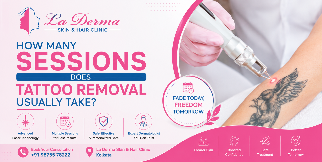
Removing an unwanted tattoo is usually a gradual process rather than a one-time procedure. The exact number of sessions depends on several factors, including the tattoo's size, color, age, ink depth, location, and the individual's skin type. Consulting a qualified Tattoo Removal Doctor is important because a professional can examine the tattoo and create a treatment plan based on its characteristics. Laser tattoo removal works by targeting tattoo pigments with controlled energy, allowing the body to gradually clear the fragmented ink. While some tattoos may show noticeable fading after only a few sessions, complete or significant removal can require several treatments spaced weeks apart.
How Many Tattoo Removal Sessions Are Usually Needed?
There is no fixed number of sessions that works for everyone. Many tattoos require multiple laser treatments, and the number may vary considerably from person to person. Some tattoos may need around 6–10 sessions, while more complex tattoos can require additional treatments.
During a consultation, a Tattoo Removal Doctor considers factors such as the tattoo's pigment, depth, location, age, and previous treatments before estimating the likely number of sessions. It is important to understand that an estimate is not a guarantee because every person's skin responds differently.
The goal may also differ between patients. Some people want complete removal, while others simply want enough fading to cover the tattoo with a new design. A cover-up may require fewer sessions than attempting to remove every visible trace of ink.
What Factors Affect the Number of Sessions?
Several factors can influence how quickly a tattoo fades.
Tattoo Color
Different ink colors respond differently to laser energy. Black and darker pigments are generally easier to target with commonly used laser wavelengths, while certain lighter or brighter colors may require specialized approaches and additional sessions.
Tattoo Size and Ink Density
A large tattoo naturally requires more treatment time than a small one. Tattoos containing dense or deeply deposited pigment may also take longer to fade than tattoos with lighter ink application.
Tattoo Age
Older tattoos may have already experienced some natural fading due to exposure to sunlight and the body's gradual breakdown of pigment. However, tattoo age alone does not determine how many sessions will be needed.
Location on the Body
The body's ability to clear fragmented tattoo pigment can vary depending on the treatment area. Tattoos located farther from the central body may sometimes respond differently from those in areas with better circulation.
Skin Type and Individual Response
Skin type, immune response, overall health, and how an individual heals can influence treatment outcomes. A personalized assessment is therefore more useful than relying on a standard number of sessions.
How Much Time Is Needed Between Sessions?
Laser tattoo removal sessions are usually spaced apart rather than performed on consecutive days. The skin needs time to recover after treatment, while the body's natural processes need time to clear the fragmented ink.
Depending on the treatment plan, sessions may be scheduled several weeks apart. Treating too frequently does not necessarily make the tattoo disappear faster and may increase the risk of unnecessary skin irritation. Your dermatologist can recommend an appropriate interval based on your skin's healing and response.
Patience is an important part of tattoo removal. Fading can continue between sessions, so the final result should be evaluated over time rather than immediately after treatment.
What Happens During Laser Tattoo Removal?
During treatment, laser energy is directed at the tattoo pigment. The energy causes the ink particles to break into smaller fragments. The body can then gradually process and eliminate these particles.
Patients may experience temporary redness, swelling, warmth, or sensitivity after a session. These effects generally depend on the treatment intensity and individual skin response. Following the recommended aftercare instructions is important for supporting proper healing.
A qualified Tattoo Removal Doctor can also assess the skin before each session and determine whether it is appropriate to continue treatment. This personalized approach can help reduce avoidable complications and ensure that treatment progresses safely.
Can Every Tattoo Be Completely Removed?
Complete tattoo removal cannot always be guaranteed. Some tattoos respond very well to laser treatment, while others may leave behind faint pigment or require a longer treatment course.
The type of ink, color combination, depth, tattooing technique, skin characteristics, and previous attempts at removal can all affect the outcome. In some cases, the realistic goal may be significant fading rather than completely restoring the skin to its original appearance.
A consultation with a Top rated Dermatologist can help you understand what level of fading may realistically be achieved in your particular case. A dermatologist can also discuss possible side effects, expected recovery, and whether additional sessions may be required.
Is Tattoo Removal Safe?
When performed using an appropriate laser system by a qualified professional, tattoo removal can be a safe treatment option. However, like other dermatological procedures, it may have temporary side effects.
Redness, swelling, tenderness, temporary changes in skin pigmentation, and other reactions can occur. The risk and severity depend on several factors, including the laser settings, tattoo characteristics, and skin type.
This is why choosing a qualified professional is more important than simply selecting a clinic based on the lowest price. Proper assessment, appropriate laser selection, safe settings, and suitable aftercare all play a role in treatment.
How Can You Prepare for Tattoo Removal?
Before starting treatment, discuss your medical history, previous tattoo treatments, medications, skin sensitivity, and any history of abnormal scarring with your dermatologist. Avoid unnecessary sun exposure to the treatment area and follow the specific preparation instructions provided by your clinic.
After treatment, protect the area from excessive sun exposure and follow the recommended skincare and wound-care instructions. Avoid picking, scratching, or irritating the treated skin while it heals.
Choosing the Right Clinic for Tattoo Removal
The expertise of the treating professional can make a significant difference in how your treatment is planned and monitored. When looking for the Best Skin Clinic in Kolkata, consider the qualifications and experience of the dermatologist, the technology available, consultation process, safety protocols, and whether treatment recommendations are personalized.
La Derma Skin & Hair Clinic provides dermatological and aesthetic care tailored to individual skin concerns. If you are considering tattoo removal, consulting a qualified Top rated Dermatologist can help you understand your treatment options and set realistic expectations. For patients searching for the Best Skin Clinic in Kolkata, professional consultation is an important first step toward planning safe and appropriate tattoo removal.