Techimaging: Key Technologies, Applications, and Future Trends
-

- February 23rd, 2026
- 1,357 views
Techimaging refers to the collection of technologies and methods used to capture, process, analyze, and interpret visual and sensor-derived data. This overview explains core components of Techimaging, common applications, regulatory and standards considerations, and emerging trends shaping research and deployment.
Techimaging combines sensors, optics, signal processing, and machine learning to turn raw image and sensor data into actionable information. Applications span medical imaging, remote sensing, industrial inspection, and consumer devices. Regulatory frameworks, standards organizations, and ethics around data quality and algorithmic transparency influence adoption and safety.
Techimaging: Core Technologies and Methods
Sensors and data capture
At the foundation of Techimaging are sensors and capture systems: optical cameras, multispectral and hyperspectral imagers, LiDAR, synthetic aperture radar (SAR), ultrasound transducers, computed tomography (CT) detectors, and magnetic resonance imaging (MRI) coils. Each modality encodes different physical properties—intensity, wavelength-dependent reflectance, time-of-flight, or electromagnetic response—requiring tailored acquisition pipelines and calibration routines.
Image processing and feature extraction
Raw sensor outputs typically undergo preprocessing steps such as denoising, geometric correction, radiometric normalization, and registration. Classical image processing techniques (filtering, edge detection, segmentation) remain important for many tasks. Feature extraction and representation—whether handcrafted descriptors or learned embeddings from convolutional neural networks—enable downstream analysis.
Machine learning and computer vision
Machine learning, especially deep learning, has accelerated capabilities in pattern recognition, object detection, semantic segmentation, and anomaly detection. Models trained on labeled datasets can classify tissue types in medical scans, detect defects in manufacturing, or identify land-cover changes from satellite imagery. Attention to dataset diversity, validation, and interpretability is critical for reliable performance.
Applications of Techimaging
Medical and clinical imaging
In healthcare, Techimaging supports diagnosis, treatment planning, and procedural guidance through modalities such as X-ray, CT, MRI, ultrasound, and nuclear medicine. Image analysis tools help quantify structures, track changes over time, and assist radiologists and clinicians with decision support. Clinical validation through peer-reviewed studies and oversight by medical device regulators is a common requirement.
Remote sensing and environmental monitoring
Satellites and airborne platforms equipped with multispectral, hyperspectral, and radar sensors enable mapping of land use, vegetation health, water resources, and natural hazards. Techimaging supports climate monitoring, disaster response, and precision agriculture by converting sensor measurements into geospatial insights.
Industrial inspection and automation
Machine vision systems inspect products on manufacturing lines, guide robotic pick-and-place operations, and detect surface defects. Non-destructive evaluation using ultrasonic or X-ray imaging is common for safety-critical components in aerospace and automotive industries.
Consumer and mobile imaging
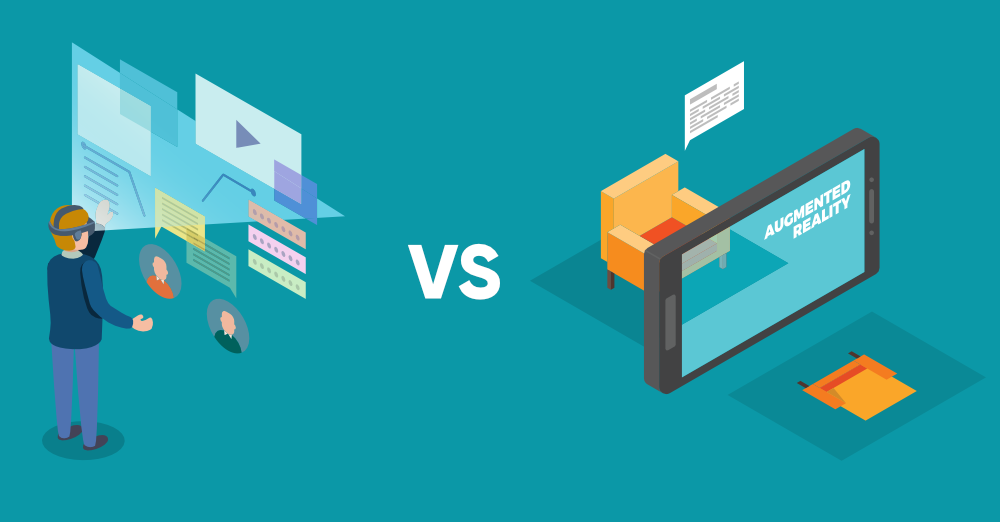
Smartphones, drones, and connected cameras bring Techimaging into everyday use: computational photography, augmented reality, facial recognition, and navigation. Edge computing enables on-device inference to reduce latency and privacy exposure in some scenarios.
Standards, Regulation, and Data Governance
Standards bodies and best practices
Standards from organizations such as ISO and IEEE provide specifications for image data formats, interoperability, and testing methodologies. Standards help ensure reproducibility, safety, and comparability across vendors and research groups.
Regulatory considerations
Medical-grade Techimaging systems are subject to regulation by authorities such as the U.S. Food and Drug Administration (FDA) and similar national regulators. Regulatory review typically evaluates safety, performance, and clinical validation of imaging devices and software. For information on regulatory pathways for imaging devices, see the U.S. Food and Drug Administration's medical imaging resources: U.S. Food and Drug Administration.
Data privacy and governance
Imaging datasets often contain sensitive personal or location information. Data protection frameworks such as HIPAA in the United States and GDPR in the European Union influence data handling, consent, and sharing. Ethical governance includes anonymization, access controls, and provenance tracking for datasets used to train models.
Challenges, Ethics, and Future Trends
Bias, explainability, and validation
Model bias can arise from unrepresentative training data, leading to poorer performance on underrepresented populations or unusual imaging conditions. Explainability methods and rigorous external validation—ideally across multiple institutions or acquisition devices—are necessary to build trust and identify limitations.
Integration and real-time processing
Edge computing, hardware accelerators, and optimized inference models enable near-real-time Techimaging in mobile and clinical settings. Sensor fusion—combining visual, thermal, LiDAR, and inertial measurements—can improve robustness in complex environments.
Research directions
Emerging topics include self-supervised learning to reduce dependence on labeled data, uncertainty quantification, federated learning for multi-institution collaboration without raw data sharing, and improved simulation tools for synthetic data generation. Academic publications in journals and conferences from IEEE, RSNA, and relevant remote sensing venues continue to shape best practices.
Frequently Asked Questions
What is Techimaging and how is it used?
Techimaging encompasses sensor hardware, image processing algorithms, and machine learning models used to capture and interpret visual or sensor-derived data. Uses include medical diagnosis, environmental monitoring, industrial quality control, and consumer applications such as photography and augmented reality.
How are Techimaging devices regulated?
Regulation depends on the intended use and risk profile. Medical imaging systems typically undergo review by national regulators like the FDA or equivalent agencies in other countries. Non-medical imaging may be subject to industry standards and safety regulations specific to the application domain.
What are common ethical concerns with Techimaging?
Key concerns include privacy of individuals captured in images, potential bias in algorithms, misuse of surveillance capabilities, and transparency about model limitations. Responsible development emphasizes data governance, explainability, and stakeholder engagement.
How can organizations improve reliability of Techimaging systems?
Reliability improves with diverse, well-annotated datasets, cross-device and cross-site validation, adherence to standards, clear documentation of model performance, and ongoing monitoring after deployment to detect drift or degraded performance.