Choosing Teeth Whitening in Dubai: A Clear Guide to Methods, Costs, and Safety
-
- Published Updated
- 1,500 views
Teeth whitening in Dubai is a commonly requested cosmetic dental procedure, offered in dental clinics and aesthetic centers across the city. This article outlines the available whitening methods, typical costs, clinical standards, safety considerations, and realistic expectations to help people make informed choices about brightening their smiles.
- Options include in-clinic bleaching, take-home kits from dentists, and over-the-counter products.
- Costs vary by method, practitioner experience, and clinic location.
- Regulation and practitioner credentials matter—check licensure and infection-control standards.
- Results depend on stain type and maintenance; sensitivity is the most common side effect.
How teeth whitening works
Whitening treatments use bleaching agents, most commonly carbamide peroxide or hydrogen peroxide, to break down colored molecules (chromogens) within tooth enamel and dentin. Professional systems vary in concentration and application method. Lighter, surface stains from food or drinks usually respond well; deeper, intrinsic discoloration may require alternative cosmetic treatments such as veneers.
Teeth Whitening in Dubai: Options, Effectiveness, and Costs
In-clinic professional whitening
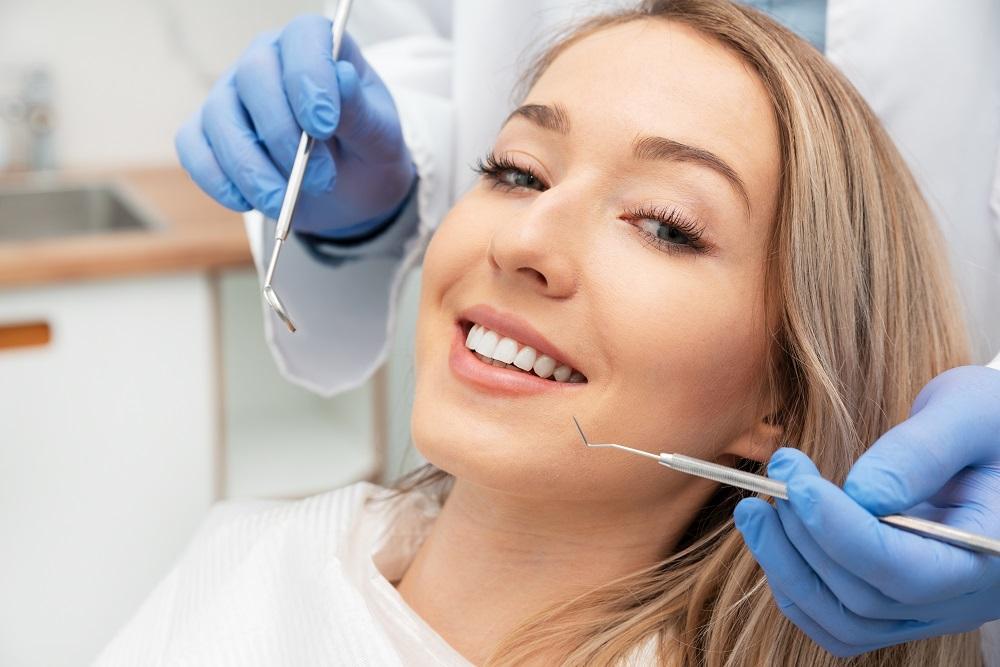
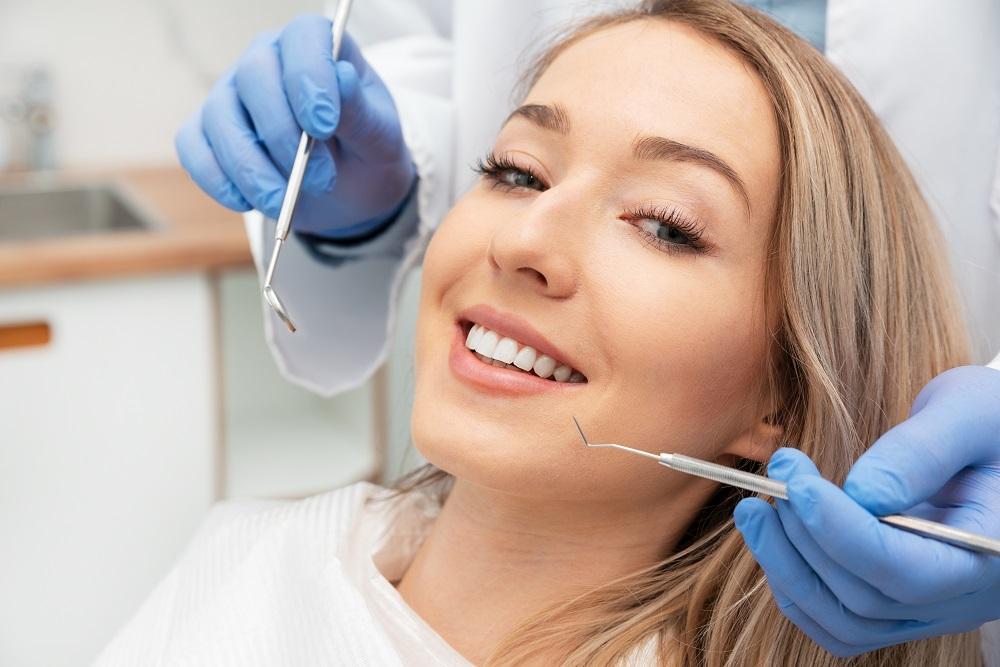
In-clinic bleaching is performed by licensed dentists and typically uses high-concentration bleaching agents with protective measures for gums and soft tissues. Treatments are usually completed in one or more sessions and can deliver noticeable improvement in a single visit. Clinics may offer light-activated systems or accelerated protocols to enhance results.
Take-home dental whitening kits
Custom trays supplied by a dentist and a professional-grade bleaching gel provide gradual whitening over days or weeks. These kits use lower concentrations than in-office systems but can achieve similar results with consistent use. A dentist monitors progress and provides instructions on safe use.
Over-the-counter products
Products such as whitening strips, toothpastes, and consumer trays are widely available. They generally contain lower concentrations of bleaching agents and may require longer use for modest improvement. Effectiveness varies and professional assessment is recommended before prolonged use.
Other cosmetic choices
For stains that do not respond to bleaching—such as fluorosis or tetracycline discoloration—options include composite bonding or porcelain veneers. These are restorative procedures and should be discussed with a dentist.
Safety, regulation, and standards
Regulatory oversight and professional standards are central to safe whitening treatment. In Dubai, licensure and clinical oversight fall under local health authorities; patients are advised to seek care from licensed dental providers and verify clinic accreditation. International dental organizations such as the American Dental Association (ADA) and public health bodies provide guidance on safe concentrations and the management of sensitivity. For local regulatory information, consult the Dubai Health Authority: Dubai Health Authority.
Choosing a clinic or practitioner
When selecting a clinic, consider the following:
- Verify professional licensure and clinic accreditation.
- Ask about the specific bleaching agent, concentration, and the expected number of sessions.
- Request information on infection control, patient reviews, and before-and-after photos when available.
- Discuss existing dental restorations (crowns, fillings) since bleaching does not change their color.
Costs and expected results
Costs in Dubai vary depending on the method and clinic. In-clinic professional whitening generally costs more than take-home kits or over-the-counter products. Factors that influence price include the dentist’s experience, clinic location, and whether follow-up or touch-up treatments are included. Results vary by stain type and individual tooth structure; realistic expectations and a pre-treatment examination improve satisfaction.
Aftercare and how long whitening lasts
Aftercare helps maintain results. Common recommendations include avoiding or limiting staining foods and beverages (coffee, tea, red wine, tobacco), practicing good oral hygiene, and using touch-up treatments as advised by a dental professional. Longevity can range from several months to a few years depending on habits and maintenance.
Common side effects and risks
The most common side effect is transient tooth sensitivity, often occurring during or shortly after treatment. Gum irritation can occur if the bleaching gel contacts soft tissues. Less common risks include uneven whitening or dissatisfaction when restorations do not match the natural teeth. A dental examination prior to treatment helps identify potential risks and contraindications.
Cost considerations and insurance
Cosmetic whitening is usually not covered by dental insurance plans because it is elective. Clear cost estimates should be requested before treatment. Clinics often provide breakdowns for examination, materials, and follow-up. Compare services and credentials, not just price.
Frequently Asked Questions
How much does teeth whitening in Dubai cost?
Prices vary widely by method and clinic. In-clinic professional bleaching is typically more expensive than dentist-provided take-home kits or over-the-counter options. Request an itemized quote from a licensed clinic to compare costs and included follow-up care.
Is professional whitening safe for sensitive teeth?
Professional systems often include protocols to reduce sensitivity, such as lower-concentration gels, desensitizing agents, or staged treatments. A dentist can assess sensitivity causes and recommend appropriate options.
How long before results are visible?
In-clinic treatments can show visible improvement in a single session, while take-home kits usually require days to weeks of use. Over-the-counter products may take longer and produce more modest results.
Will whitening change the color of crowns or fillings?
No. Whitening agents typically affect natural tooth structure only. Existing restorations may need replacement or adjustment after whitening to match the treated teeth.
Can anyone get their teeth whitened?
Not everyone is an ideal candidate. People with active tooth decay, gum disease, very thin enamel, or certain types of intrinsic staining may require alternative treatments. A pre-treatment dental examination is recommended to determine suitability.
How to verify a clinic’s credentials in Dubai?
Confirm that the dentist and clinic are licensed by local health authorities and inquire about clinic accreditation and infection-control practices. Request information about the dentist’s training in cosmetic dentistry and previous patient outcomes.