Terpene Extraction Equipment Guide for Better Processing
-

- Published Updated
- 2,926 views
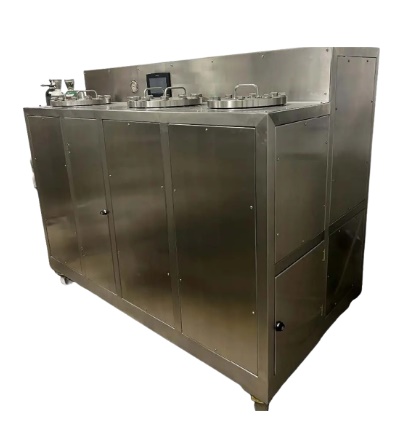
Terpenes are aromatic compounds found naturally in plants and are responsible for many of their distinctive scents and flavors. In botanical processing, recovering these compounds requires carefully controlled methods that protect their chemical characteristics. Terpene extraction Equipment refers to the specialized machinery and supporting components used to separate, collect, and process terpene-rich fractions from plant materials.
For readers new to extraction technology, understanding the basic equipment, extraction methods, operating conditions, and safety considerations can make the subject much easier to navigate. The right system depends on the plant material, desired compounds, production volume, purity requirements, and processing method.
What Is Terpene Extraction?
Terpene extraction is the process of separating volatile aromatic compounds from plant material. Terpenes can be sensitive to heat, oxygen, pressure changes, and prolonged exposure to unsuitable processing conditions.
Unlike some extraction processes that primarily focus on obtaining a broad botanical extract, terpene recovery often emphasizes preserving volatile compounds. This makes temperature control, vapor management, condensation, and material compatibility particularly important.
Why Terpenes Require Careful Processing
Many terpenes have relatively low boiling points compared with heavier plant compounds. Excessive heat can therefore alter the composition of a recovered fraction or cause valuable volatile compounds to evaporate before they can be collected.
Processing systems commonly focus on:
Controlled temperature
Appropriate pressure management
Efficient vapor movement
Rapid condensation
Oxygen exposure reduction
Clean product-contact surfaces
These factors help create a more predictable extraction environment.
Common Types of Extraction Equipment
Different extraction approaches use different combinations of vessels, pumps, condensers, collection chambers, filtration components, and control systems. No single configuration is ideal for every application.
Steam Distillation Systems
Steam distillation uses steam to carry volatile compounds away from plant material. The vapor mixture is then cooled and condensed so the resulting liquid can be separated.
This method is widely associated with essential-oil processing because it can handle substantial quantities of botanical material. However, the elevated temperature involved may not be suitable for every terpene-sensitive application.
Vacuum Distillation Equipment
Vacuum systems reduce pressure inside the processing environment. Lower pressure can allow certain compounds to vaporize at lower temperatures than they would under atmospheric conditions.
A typical vacuum-based setup may include a heated vessel, vacuum pump, temperature sensors, condenser, receiving flask, and control system. Maintaining stable vacuum conditions is essential because fluctuations can affect separation behavior.
Solvent-Based Systems
Some terpene recovery processes use solvents to separate desired compounds from botanical material. Equipment requirements vary according to the solvent and process design.
A solvent-based system may include extraction vessels, pumps, filtration equipment, solvent recovery components, condensers, and storage vessels. Because solvents can introduce flammability or exposure hazards, equipment selection must account for appropriate engineering controls and applicable regulations.
Key Components to Understand
Understanding individual components is useful when evaluating Terpene extraction Equipment for laboratory, pilot-scale, or industrial applications.
Extraction Vessel
The extraction vessel holds the botanical material or processing mixture. Its capacity, geometry, material, pressure rating, and heating method should match the intended process.
Stainless steel is frequently used in processing environments because it is durable, cleanable, and compatible with many botanical-processing applications.
Heating System
Heating systems provide controlled thermal energy. Depending on the equipment, heating may be supplied through electrical heaters, heating jackets, circulating fluids, or other controlled methods.
Precise temperature monitoring is more important than simply achieving a high temperature. Gradual and consistent heating can improve process control.
Condenser
A condenser converts vapor back into liquid. Efficient condensation is particularly important when working with volatile aromatic compounds because losses can occur if vapor is not captured effectively.
Condenser performance depends on factors such as surface area, coolant temperature, vapor flow, and equipment design.
Vacuum Pump
Vacuum pumps are used in systems designed to operate below atmospheric pressure. Pump selection should consider the required vacuum range, vapor compatibility, operating duration, and maintenance requirements.
A pump that is poorly matched to the process may cause unstable pressure or require frequent maintenance.
Collection Vessel
The collection vessel receives condensed material. It should be appropriately sized and designed for easy removal, cleaning, inspection, and storage.
For volatile compounds, minimizing unnecessary headspace and limiting exposure to heat and oxygen can be useful process considerations.
Comparing Common Approaches
| Method | Main Advantage | Main Limitation | Typical Consideration |
|---|---|---|---|
| Steam distillation | Relatively straightforward | Uses elevated temperatures | Suitable for many robust botanicals |
| Vacuum distillation | Lower operating temperatures may be possible | Requires vacuum control | Useful for temperature-sensitive fractions |
| Solvent extraction | Can target particular compound groups | Requires solvent management | Safety and recovery systems are important |
| Hybrid systems | Can combine process stages | More complex equipment | Requires careful process integration |
The best approach depends on the feedstock and desired outcome rather than the equipment category alone.
How to Choose the Right Equipment
Choosing Terpene extraction Equipment should begin with the process requirements rather than the equipment's advertised capacity.
Define the Feedstock
Different botanical materials contain different terpene profiles, moisture levels, physical structures, and concentrations. Identify the material being processed before selecting vessel size or extraction technology.
Determine Production Scale
Laboratory equipment may process small batches for experimentation and development. Pilot systems are useful for process validation, while larger systems are designed for continuous or high-volume production.
Avoid selecting equipment solely because it has a larger capacity. Oversized equipment can create unnecessary costs and may be inefficient when processing small batches.
Evaluate Temperature Control
Temperature stability is one of the most important factors in terpene processing. Look for systems that provide accurate sensors, adjustable controls, and consistent heating.
A system with a broad temperature range is less useful if it cannot maintain the desired operating temperature reliably.
Consider Material Compatibility
All product-contact surfaces should be compatible with the botanical material, solvents if applicable, cleaning procedures, and operating temperatures.
Equipment should also be designed to minimize contamination risks and make routine sanitation practical.
Actionable Tips for Better Process Control
Small operational decisions can have a significant impact on consistency.
Tip 1: Establish a temperature baseline.
Record the temperature at key stages rather than relying only on a single set point.
Tip 2: Monitor pressure continuously.
For vacuum-based systems, record pressure changes during processing. Unexpected fluctuations can indicate leaks, pump problems, or process instability.
Tip 3: Keep condensers efficient.
Check coolant temperature and flow before processing. Poor condenser performance can increase vapor losses.
Tip 4: Maintain clean product-contact surfaces.
Residue from previous batches can influence subsequent material and complicate quality control.
Tip 5: Document every batch.
Record feedstock characteristics, temperature, pressure, processing time, equipment configuration, and observations. Consistent documentation makes troubleshooting easier.
Tip 6: Inspect seals and connections.
Vacuum systems depend on proper seals and fittings. Routine inspection can help identify leaks before they affect a production run.
Safety Considerations
Extraction equipment should always be operated according to the manufacturer's instructions and applicable regulations. Heating systems, pressurized vessels, vacuum systems, and solvents can each introduce specific hazards.
Operators should receive appropriate training and understand emergency procedures. Where flammable solvents are involved, electrical classification, ventilation, grounding, ignition-source control, and solvent recovery requirements become especially important.
Pressure-rated components should never be operated beyond their specified limits. Similarly, vacuum-rated vessels should be used only within their intended operating range.
Maintenance and Quality Control
Regular maintenance helps preserve equipment performance and process consistency. A maintenance schedule should include inspection of seals, hoses, valves, pumps, sensors, heating elements, condensers, and collection vessels.
Calibration is also important. Temperature and pressure sensors can drift over time, potentially creating inaccurate process records.
A practical quality-control program can include:
Equipment inspection before each batch
Sensor calibration at scheduled intervals
Cleaning verification
Batch documentation
Preventive pump maintenance
Inspection of seals and fittings
Periodic process-performance reviews
People Also Ask
What is terpene extraction equipment used for?
It is used to separate and collect volatile aromatic compounds from botanical materials through processes such as distillation, steam extraction, or solvent-based extraction.
What equipment is needed for terpene extraction?
A system may include an extraction vessel, heating system, condenser, collection vessel, pumps, temperature sensors, pressure controls, and filtration components, depending on the extraction method.
Why is temperature important in terpene extraction?
Temperature affects how volatile compounds behave during processing. Excessive heat can increase evaporation or alter sensitive compounds, making accurate temperature control important.
Is vacuum extraction better than steam extraction?
Neither method is universally better. Vacuum processing may allow lower-temperature operation, while steam distillation can be practical for certain botanical materials. The appropriate method depends on the feedstock and process objectives.
How can terpene extraction losses be reduced?
Maintaining controlled temperatures, using an efficient condenser, checking system seals, minimizing unnecessary exposure to heat and oxygen, and monitoring process conditions can help reduce losses.
Frequently Asked Questions
How often should extraction equipment be cleaned?
Cleaning frequency depends on the material and production schedule. Product-contact components should generally be cleaned according to an established sanitation procedure between appropriate processing cycles.
What material is commonly used for extraction vessels?
Stainless steel is commonly selected for many botanical-processing systems because it is durable, cleanable, and compatible with a broad range of processing conditions.
Can one system process different botanicals?
A system may be capable of processing different botanicals, but operating parameters can vary substantially. Each material should be evaluated and processed according to its characteristics.
Does larger equipment always improve extraction?
No. Larger capacity does not automatically mean better performance. Equipment should be appropriately sized for the feedstock, batch volume, process requirements, and available utilities.
What is the most important equipment feature?
There is no single feature that determines performance. Reliable temperature control, appropriate pressure management, efficient condensation, compatible materials, and safe operation are all important.
Selecting Terpene extraction Equipment requires an understanding of the compounds being recovered, the botanical feedstock, the extraction method, production scale, and safety requirements. Equipment should be evaluated as part of an entire process rather than as an isolated machine.
Careful temperature and pressure control, efficient condensation, suitable materials, routine maintenance, and detailed process records can improve consistency and help reduce avoidable losses. For anyone researching extraction technology, starting with process requirements and safety considerations provides a more reliable foundation for comparing equipment options.
Author Bio: This educational overview was prepared for readers researching botanical extraction technologies. Pure5 Extraction is mentioned here solely as a reference point for readers interested in learning more about extraction equipment and processes.