Testosterone Enanthate 300mg — Uses, Pharmacology, Safety and Monitoring
-

- Published Updated
- 1,505 views
Introduction
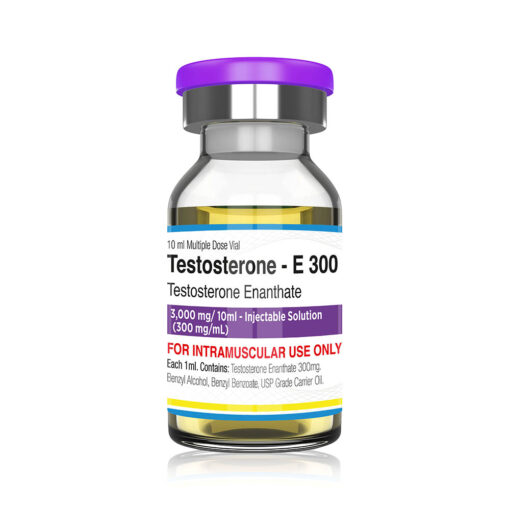
Testosterone Enanthate 300mg is a formulation of testosterone commonly discussed in clinical and performance contexts. The compound is an androgenic anabolic steroid available as an intramuscular injectable ester of testosterone; descriptions below cover pharmacology, typical clinical contexts, administration considerations, and known risks. This content is educational and does not substitute for personalized medical advice.
- Testosterone Enanthate is a testosterone ester delivered by intramuscular injection with a multi-day half-life.
- 300mg indicates the milligram quantity per injection vial or dose and is referenced in both clinical and non-clinical contexts.
- Uses include testosterone replacement therapy (TRT) in men with diagnosed hypogonadism, and other uses in research or off-label contexts.
- Potential risks include hormonal imbalances, cardiovascular changes, and hematologic effects; monitoring by qualified clinicians is recommended.
- Regulatory agencies and clinical societies provide guidance on appropriate use and safety monitoring.
What is Testosterone Enanthate 300mg?
Testosterone Enanthate 300mg refers to a vial or dose containing 300 milligrams of testosterone ester per administration, typically formulated for intramuscular injection. Testosterone Enanthate is an esterified form of the endogenous androgen testosterone; the ester (enanthate) slows release after injection, affecting pharmacokinetics and duration of action. As an androgen and anabolic steroid, it binds to androgen receptors and influences protein synthesis, erythropoiesis, and secondary sex characteristics.
Pharmacology and pharmacokinetics
The enanthate ester prolongs absorption from muscle into circulation compared with unesterified testosterone. After intramuscular injection, the ester is hydrolyzed to release active testosterone. Reported half-life values vary by source and individual factors; the extended-release profile leads to sustained elevations in serum testosterone for several days to weeks depending on dose and regimen.
Formulation and administration route
Testosterone Enanthate is supplied as an injectable oil solution intended for intramuscular use. Intramuscular injection sites include the gluteal or thigh muscles; sterile technique and appropriate training are important for safe administration. Storage, handling, and prescribing information are governed by product labeling and regulatory guidance.
Intended Uses and Clinical Context
In approved clinical settings, testosterone preparations are used to treat men with confirmed hypogonadism and low testosterone levels when symptoms and laboratory testing support replacement therapy. The term TRT (testosterone replacement therapy) appears in guidance from endocrine professional societies. Off-label and non-medical uses also exist; such uses may carry additional risks and legal considerations.
Clinical guidelines and regulators
Clinical societies such as the Endocrine Society publish guidelines on diagnosis and monitoring of testosterone deficiency. National regulators, including the U.S. Food and Drug Administration (FDA), provide product-specific safety communications and labeling requirements. For regulatory information and safety notices, see the FDA resource on testosterone products: FDA: Testosterone Products.
Dosage, Administration, and Monitoring Considerations
Dosage and frequency of administration depend on clinical indications, individual response, and laboratory monitoring. A single numeric dose such as 300mg may be part of various regimens; clinicians consider baseline testosterone levels, symptoms, age, comorbidities, and risk factors before selecting a dose and schedule. Routine monitoring often includes serum testosterone, hematocrit/hemoglobin, lipid profile, liver function tests, and prostate health assessments for those at relevant ages or risks.
Monitoring and safety checks
Monitoring aims to maintain testosterone within an appropriate target range, identify adverse effects such as polycythemia (elevated red blood cell mass), and assess cardiovascular and metabolic parameters. Recommended monitoring intervals are provided in clinical guidelines and product labeling; frequency may be adjusted by the treating clinician.
Potential Effects, Risks, and Side Effects
Testosterone and its esters produce physiological effects via androgen receptor activation and downstream mechanisms. Effects may include increased lean mass and libido in hypogonadal men, but also potential adverse outcomes. Risks associated with testosterone therapy or supraphysiologic use include erythrocytosis, changes in lipid profiles, fluid retention, possible impacts on blood pressure, mood changes, and interactions with existing medical conditions.
Specific safety concerns
- Aromatization: Conversion of testosterone to estrogen can lead to gynecomastia or fluid retention in some individuals.
- Hematologic effects: Increased erythropoiesis may raise hematocrit, increasing thrombotic risk when uncontrolled.
- Cardiovascular and metabolic: Data on cardiovascular outcomes vary; careful assessment of baseline cardiovascular risk is important.
- Prostate considerations: Monitoring prostate-specific antigen (PSA) and prostate health per clinical guidance is standard for men at appropriate ages.
Legal and Ethical Considerations
Regulations around prescription, distribution, and use of anabolic androgenic steroids differ by country and jurisdiction. Use without a prescription or outside approved indications may have legal and health consequences. Health care providers and patients should consult local laws and regulatory guidance before obtaining or using prescription testosterone products.
Practical Takeaways
Testosterone Enanthate 300mg denotes a specific quantity and formulation of an androgenic preparation with prolonged-release properties due to esterification. Appropriate use is grounded in clinical diagnosis, regulatory-approved indications, and monitoring by qualified clinicians. Awareness of potential side effects, laboratory monitoring, and legal frameworks supports safer decision-making.
Frequently Asked Questions
What is the purpose of Testosterone Enanthate 300mg?
Testosterone Enanthate 300mg serves as a means of delivering testosterone over an extended period via intramuscular injection. In approved medical contexts, testosterone formulations are used to treat men with diagnosed hypogonadism. Discussion of dose-specific use should occur with a licensed clinician who can assess indications, risks, and monitoring needs.
How long does Testosterone Enanthate 300mg last in the body?
The enanthate ester produces a sustained-release profile; individual pharmacokinetics vary by formulation, injection technique, body composition, and metabolism. Half-life estimates differ across studies, and therapeutic regimens adjust frequency to maintain target serum levels. Laboratory testing guides dosing intervals.
What are the common side effects to watch for?
Common effects and adverse events may include changes in mood or libido, fluid retention, increased red blood cell count (erythrocytosis), shifts in lipid levels, and potential estrogen-related effects such as gynecomastia. Any new or concerning symptoms should be evaluated by a healthcare professional.
Is Testosterone Enanthate 300mg legal to use without a prescription?
Laws vary by jurisdiction. In many countries, anabolic androgenic steroids are controlled substances and require a prescription for lawful use. Obtaining or using testosterone without appropriate medical supervision may have legal and health risks.
How should therapy be monitored if prescribed?
Monitoring typically includes periodic measurement of serum testosterone, hematocrit, lipid profile, liver function, and, when appropriate, prostate health markers. The specific monitoring schedule should follow clinical guidelines and the recommendations of the prescribing clinician or relevant medical society.
Where to find authoritative guidance on safety and labeling?
Regulatory agencies and professional societies publish product labeling, safety communications, and clinical practice guidelines. Examples include the U.S. Food and Drug Administration and specialty society guidance such as the Endocrine Society clinical practice statements.