How Australian Food Buyers Can Spot a Reliable Thai Jasmine Rice Supplier
-

- Published Updated
- 1,754 views
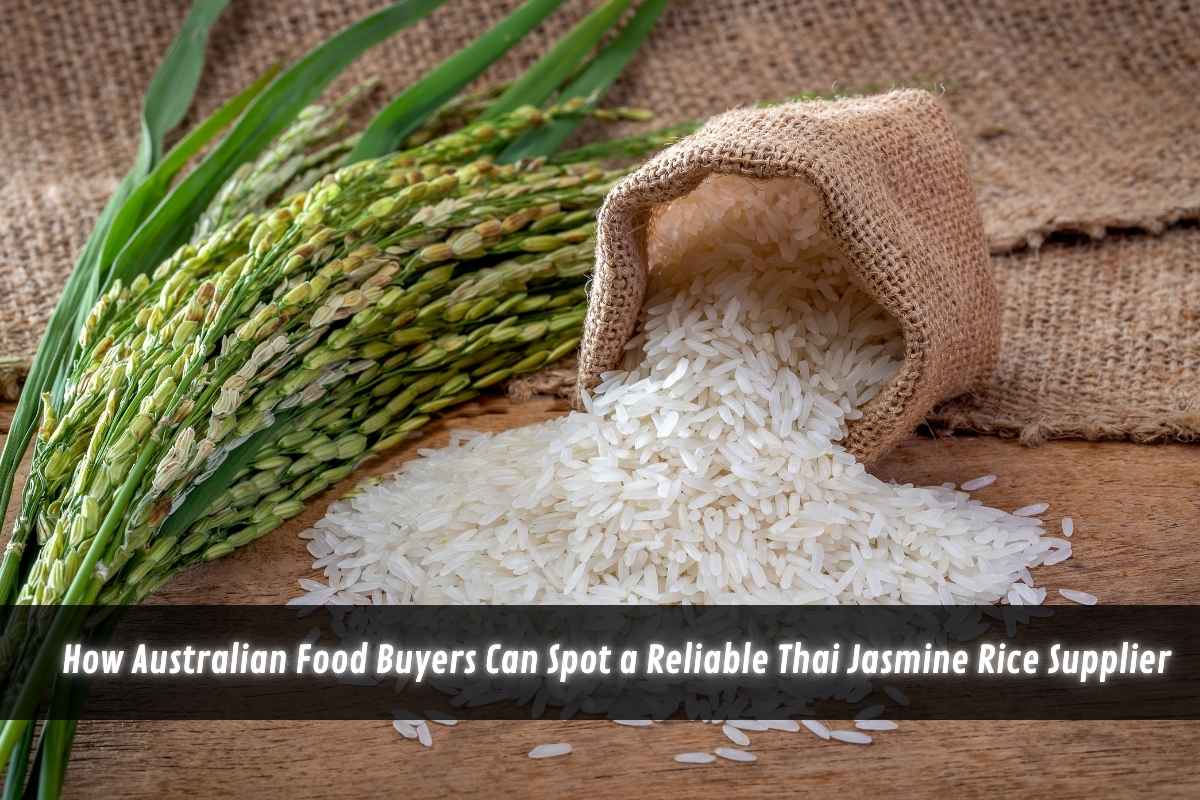
Australian demand for fragrant jasmine rice keeps climbing, from suburban takeaway shops to national supermarket chains. Yet not all bags stamped “Thai Hom Mali” are equal. Age of harvest, milling standards, and shipping conditions can turn a once-aromatic grain into a dull, broken product. Food-service businesses that overlook these details often pay twice—first in stock and again in customer dissatisfaction. Working with a reputable Thai jasmine rice supplier helps sidestep those pitfalls, but only if you know the right questions to ask.
Freshness Begins at the Mill
Jasmine rice’s signature scent—thanks to the compound 2-acetyl-1-pyrroline—fades quickly once the husk comes off. Export-grade rice is typically milled within weeks of shipping, but warehouse delays in Thailand or Australia can stretch that timeline. Ask potential partners for:
The most recent crop year (look for the current or previous season, never older).
Batch-specific milling dates, not just “packed on” codes.
Storage temperatures during transit and onshore.
Suppliers serious about quality usually maintain temperature-controlled containers and share digital logs upon request. If the information sounds vague or inconsistent, consider it a red flag.
Certifications and Laboratory Testing Matter
Independent certifications reassure buyers that every tonne meets Thai Government Grade A or equivalent standards. Reputable importers back those certificates with third-party lab results covering moisture, broken grain percentage, and aflatoxin levels. Skipping this paperwork might shave a few dollars per 25-kilogram bag, but it risks an entire menu if a contamination issue triggers a recall.
Of equal importance is the path from port to plate. Check whether the supplier holds HACCP accreditation for onshore handling facilities. An accredited warehouse reduces cross-contamination risk, particularly if multiple grain types are stored under one roof.
Logistics Often Decide Consistency
Price matters, but consistency keeps chefs loyal. Delivery hiccups can derail a lunch rush or unsettle long-term contracts with large retailers. When comparing vendors, note:
Lead times from purchase order to metro delivery.
National distribution coverage—can they reach regional venues without subcontracting?
Minimum order quantities versus your average weekly usage.
Flexibility during peak demand, for instance, during Lunar New Year or festival seasons.
A supplier operating its own fleet or holding guaranteed slots with major carriers usually performs better during the inevitable east-coast freight bottlenecks.
Storage Advice You Can Pass to Kitchen Teams
Jasmine rice retains aroma better when stored below 15 °C in low-humidity rooms. Many cafés and small eateries rely on back-of-house dry stores that exceed that range. Encourage kitchen staff to:
Keep unopened bags on pallets, not directly on concrete floors.
Rotate stock using a first-in, first-out system, marking invoice dates clearly.
Transfer opened bags into food-grade bins with tight-fitting lids to deter pests.
Passing on these practical tips protects your investment and improves plate consistency.
Reading the Fine Print on Contracts
Bulk rice agreements often span six or twelve months, locking in tonnage and price. Before you sign:
Confirm the currency denomination; some quotes list USD while the invoice lands in AUD.
Note surcharge triggers, such as fuel levies or biosecurity fee increases.
Check for substitution clauses allowing different origin rice if Thai supply tightens.
Small clauses rarely surface during a friendly sales call, but they decide margins when global prices fluctuate.
When a Trial Pallet Makes Sense
New operators or venues switching brands shouldn’t leap straight to container volumes. Ordering a mixed pallet—say, four or five different jasmine labels—lets kitchen staff test aroma retention, water absorption, and plate presentation side by side. Mid-contract trials also help benchmark your incumbent supplier against fresh entrants. An internal comparison can reveal whether loyal pricing still reflects top-tier quality.
Sustainable Practices Are Moving Up the Checklist
Environmental credentials have shifted from marketing buzz to tender requirements, especially for institutional caterers. Some Thai mills now capture husk by-products for biomass energy, cutting fossil fuel use. Others run on solar arrays or hold ISO 14001 environmental management certification. While sustainability might not trump flavour today, aligning early with greener producers positions your menu for upcoming procurement audits.
The Cost of Cutting Corners
Cheap jasmine rice often shows its true price in the kitchen—clumping, uneven cooking, and a flat aroma that pushes chefs to add extra seasoning. Diners may not identify the grain, but they notice when a fragrant rice dish suddenly tastes bland. Reworking or re-plating meals erodes margins quicker than paying an extra few cents per serve for higher-grade grain.
Weighing Your Next Step
Sourcing high-grade jasmine rice in 2026 involves more than scanning a price list. Freshness, certification, logistics support, and sustainability practices together determine total value. Investing time in these checks today saves headaches when a menu item takes off or a supply hiccup hits the east-coast freight network.