Thambi View Point Sikkim: Scenic Guide to Visiting, Views & Travel Tips
-

- Published Updated
- 1,476 views
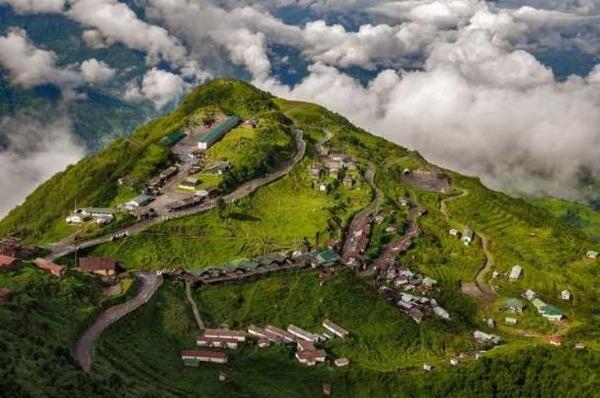
Thambi View Point is a popular lookout in Sikkim known for panoramic views of the Himalayan range and the Teesta valley. The viewpoint attracts photographers, nature lovers, and visitors seeking a quiet highland escape near Gangtok and East Sikkim. This guide explains where Thambi View Point is located, how to reach it, what to expect, and practical travel tips.
- Location: East Sikkim, accessible from Gangtok and nearby towns
- Elevation: Moderate hill viewpoint; altitude varies by access road
- Highlights: Panoramic Himalayan views, sunrise and cloud formations
- Best time to visit: Clear months from October to December and March to May
- Facilities: Limited on-site; basic amenities available in nearby settlements
Thambi View Point: Location and the Views
Thambi View Point sits in East Sikkim and overlooks stretches of the Teesta River valley and distant Himalayan peaks. On clear days, views can include high ridges and snow-capped summits associated with the eastern Himalaya. The microclimate here produces dramatic cloud formations and mist, making sunrise and early morning hours especially photogenic.
How to reach Thambi View Point
Access to Thambi View Point typically involves road travel from Gangtok, the nearest major city and administrative center for Sikkim. Options include private vehicles, taxis, or shared jeeps depending on local services. Road conditions vary seasonally; mountain roads may be narrow and winding. Visitors arriving from outside Sikkim usually pass through Bagdogra Airport or New Jalpaiguri (NJP) railway station in West Bengal and continue by road.
Best time to visit and weather considerations
The best time to visit Thambi View Point is during clear-weather months when visibility is highest. Late autumn (October–December) and spring (March–May) often provide the clearest skies and comfortable daytime temperatures. Monsoon months (June–September) bring heavy rain and low visibility due to clouds and fog. Winter can be cold with the chance of frost or light snow at higher elevations.
Things to do and nearby attractions
Photography and sightseeing
Photographers will find sunrise and early morning light particularly rewarding. The viewpoint offers opportunities to capture valley panoramas, layered ridgelines, and seasonal cloudscapes. Carrying a telephoto lens helps isolate distant peaks and valley features.
Nearby cultural and natural sites
Thambi View Point can be combined with visits to other East Sikkim attractions such as local monasteries, nature trails, and village markets. Nearby settlements provide a glimpse of Sikkimese rural life and traditional architecture. For official travel guidance and regional information, consult the state tourism authority.
Sikkim Tourism (official site)
Practical travel tips
Permits and regulations
Sikkim has specific entry and inner-line permit rules for certain zones, especially near international borders and protected areas. Visitors should confirm permit requirements for East Sikkim and plan documentation accordingly. Local tourist offices and authorized agents can provide up-to-date information on permits and restrictions.
Health, safety, and altitude awareness
Although Thambi View Point is not a high-altitude mountaineering site, some routes may involve steep roads or short hikes. Travelers should be prepared for changing weather and carry warm clothing, water, and basic first-aid supplies. Those with respiratory or cardiovascular conditions should consult a healthcare professional before traveling to hilly terrain. For emergency services, contact local authorities and follow instructions from trained guides or officials.
Amenities and accommodations
Facilities at the viewpoint itself may be limited. Nearby towns and Gangtok provide a wider range of lodging, food, and transportation services. Booking accommodation in advance is advisable during peak tourist seasons and festival periods.
Conservation and responsible travel
Sikkim places emphasis on sustainable tourism and conservation of mountain ecosystems. Visitors are encouraged to follow Leave No Trace principles: avoid littering, minimize noise, stick to established paths, and respect local customs. Protected area guidelines and community-based regulations help preserve biodiversity and cultural heritage.
Local culture and etiquette
Respect for local customs and religious sites is important. When visiting monasteries or village areas, dress modestly and ask before photographing people or rituals. Engaging with local guides and community-run initiatives supports the regional economy while providing culturally informed experiences.
Transport and road safety
Mountain driving requires caution. Use experienced drivers familiar with Sikkim roads, check vehicle condition before travel, and allow extra travel time for weather-related delays. Avoid night travel on unfamiliar mountain roads when possible.
FAQs
What is the best time to visit Thambi View Point?
Clear months such as October–December and March–May usually offer the best visibility and comfortable conditions for sightseeing.
How can visitors reach Thambi View Point from Gangtok?
Thambi View Point is reachable by road from Gangtok via private taxi, shared jeep, or organized tour. Road conditions vary, so allow additional travel time and confirm local transport availability in advance.
Are permits required to visit Thambi View Point?
Permit requirements can apply in certain parts of Sikkim, especially near border zones and protected regions. Check with the state tourism authority or local officials for current regulations before travel.
Is Thambi View Point suitable for families and senior travelers?
Yes, the viewpoint can be suitable for families and seniors if mobility limitations are considered. Prepare for uneven surfaces and shorter walks; plan rest breaks and travel during daytime for safety.