Warm White Lighting Guide: How to Choose and Use 2700K–3000K for Home Comfort
-

- March 10th, 2026
- 691 views
The right warm white lighting sets mood, improves comfort, and makes colors look natural — but choosing between 2700K and 3000K, picking CRI ratings, and matching fixtures can be confusing. This guide explains how to select and place warm white lighting so spaces feel inviting and functional.
- Primary focus: warm white lighting (2700K–3000K) for homes and hospitality.
- Key controls: color temperature (K), CRI, lumens, beam angle, and dimmability.
- Named checklist: WARM Lighting Checklist for choosing bulbs, fixtures, and placement.
- Detected intent: Informational
What is warm white lighting and why it matters
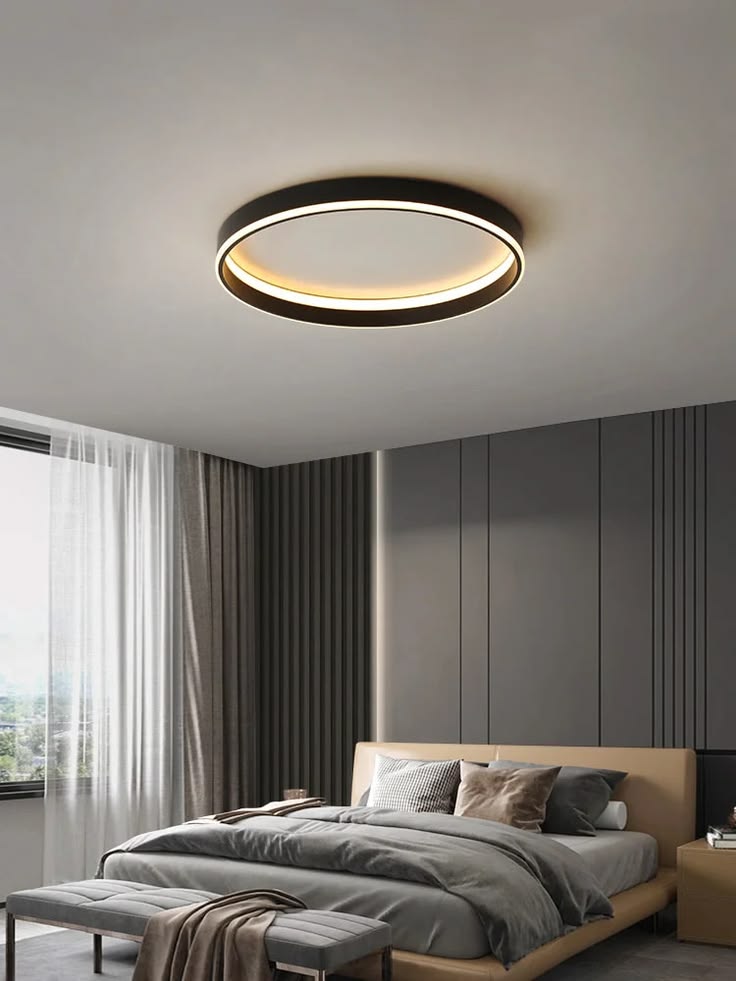
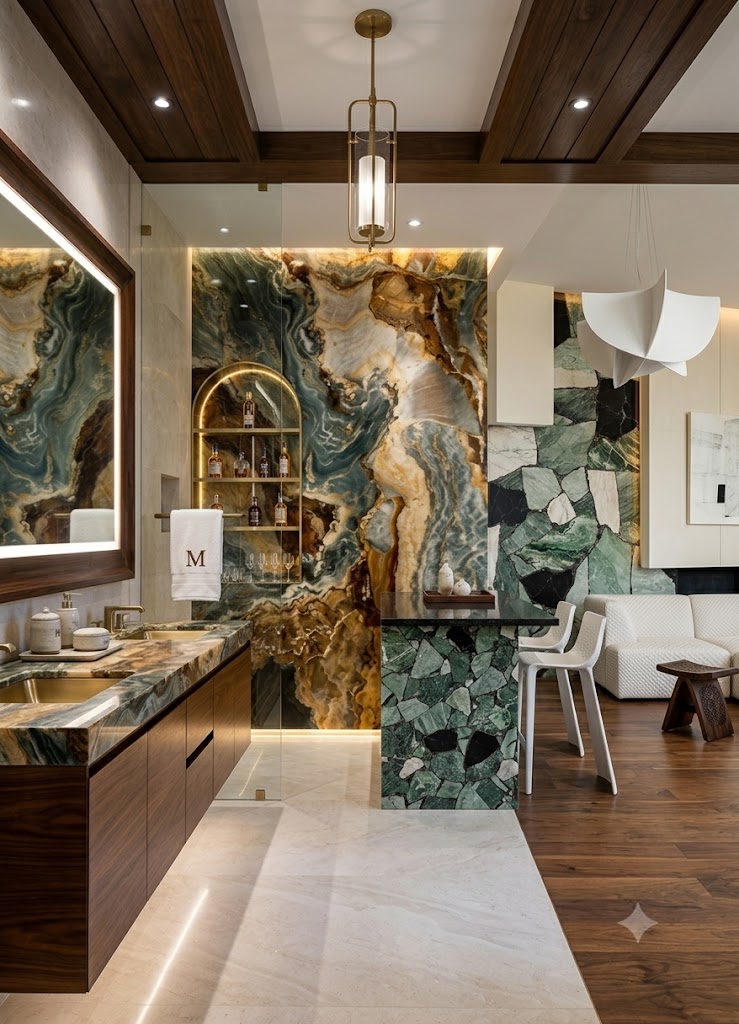
Warm white lighting refers to light sources in the roughly 2700K–3000K range on the Kelvin scale. These temperatures create a soft, yellowish light that supports relaxation and makes skin tones and wood finishes appear natural. For interior design, the right warm white lighting improves perceived comfort, influences activity (relaxation vs. focus), and works differently in ambient, task, and accent layers.
How to read the key specs: Kelvin, CRI, lumens, and beam angle
Kelvin (color temperature)
2700K = very warm (soft, similar to incandescent). 3000K = warm but slightly cooler and more versatile for kitchens and bathrooms. For most living spaces, 2700K–3000K is the sweet spot.
Color Rendering Index (CRI)
CRI measures how accurately a light source shows colors compared with natural light. Aim for CRI 90+ for art, textiles, and areas where accurate color matters; CRI 80+ is acceptable for general lighting.
Lumens and beam angle
Lumens indicate brightness; match lumens to room size and fixture type. Beam angle affects coverage — wide angles for ambient fixtures, narrow angles for focused accent spots.
WARM Lighting Checklist (named framework)
- W — Work out the room purpose: define tasks vs. relaxation.
- A — Assess surfaces and finishes: wood, paint, textiles affect perceived warmth.
- R — Render colors well: choose CRI 80+ (90+ for high-color fidelity).
- M — Map fixture layers: ambient, task, accent, and decorative.
Practical example: living room lighting plan
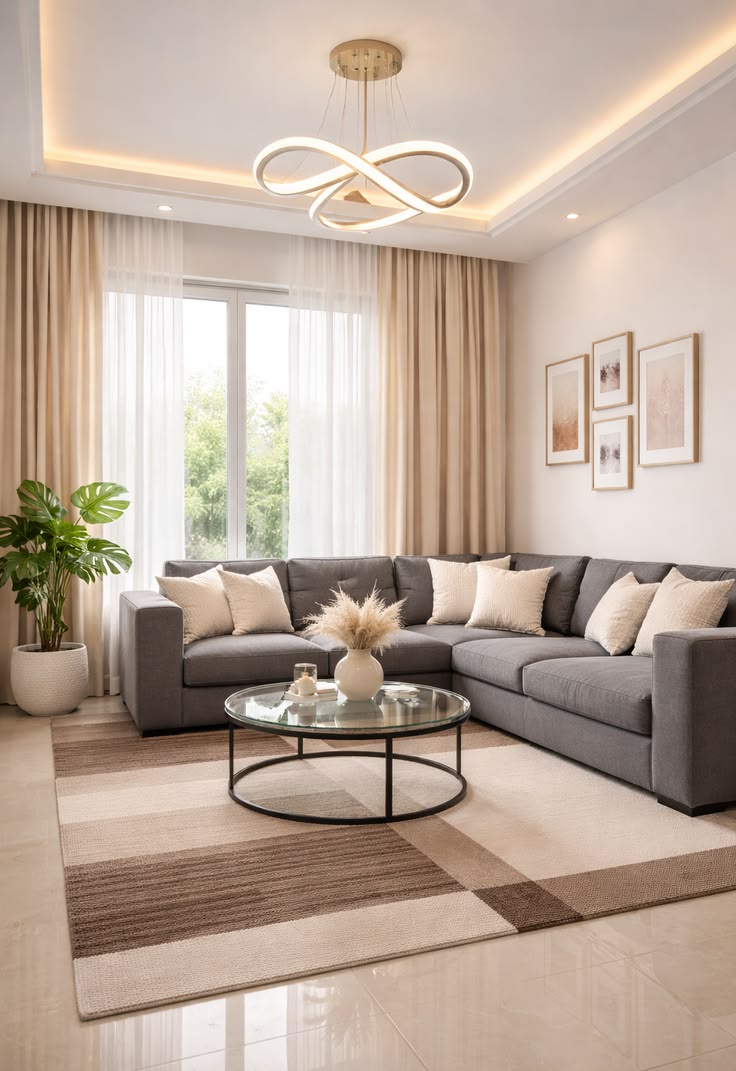
Scenario: A 15x20 ft living room with hardwood floors, neutral paint, and two seating zones. Use warm white lighting to create a cozy, layered scheme:
- Ambient: ceiling fixture or recessed lights at 2700K, total lumens scaled to room size (approx. 1,500–3,000 lumens depending on other sources).
- Task: floor lamps with 3000K adjustable heads near reading chairs (dimmable, CRI 90+).
- Accent: 2700K adjustable spotlights on artwork and a warmer 2200K decorative filament bulb for the vintage pendant over the side table for visual contrast.
Practical tips for selecting bulbs and fixtures
- Match color temperature across the main layer: keep ceiling ambient lights consistent (e.g., all 2700K) to avoid visual discord.
- Choose dimmable LED bulbs and ensure fixture compatibility with the dimmer type (TRIAC vs. ELV); check manufacturer specifications.
- Prioritize higher CRI where color matters — kitchens, bathrooms, art, and textiles benefit from CRI 90+ bulbs.
- Test in place: bring a sample bulb to the room and observe at different times of day before replacing all fixtures.
Common mistakes and trade-offs
Common mistakes
- Mismatched color temperatures across layers, which creates an unsettled look.
- Choosing bulbs by wattage instead of lumens; wattage measures power, not brightness.
- Ignoring CRI for areas where color accuracy matters.
Trade-offs to consider
Higher CRI bulbs often cost more and can be slightly less efficient; warmer temperatures (2700K) feel cozier but can make task work harder compared with neutral whites. Dimmable LEDs and color-tunable fixtures add flexibility but increase system complexity and require compatible controls.
Installation and control recommendations
Use layered lighting: ambient + task + accent. Include dimmers on primary circuits and consider scene controls or smart dimmers for multi-zone spaces. For safety and compliance, follow local electrical codes and consult manufacturer installation guides; for efficiency guidelines and lighting basics, see the Energy Star site for residential lighting best practices: Energy Star.
Core cluster questions (for related content and internal linking)
- How does CRI affect the appearance of paint and fabrics?
- When should a space use 2700K versus 3000K?
- What are common dimmer compatibility issues with LED warm white bulbs?
- How many lumens are needed for a living room versus a kitchen?
- What fixtures best highlight artwork under warm white lighting?
Quick maintenance and longevity notes
Choose LED warm white bulbs rated for at least 15,000 hours for lower replacement frequency. Clean fixtures periodically, and replace bulbs in matched groups for consistent color and output in multi-lamp fixtures.
Practical tips — a final checklist
- Pick a primary Kelvin for the room (2700K or 3000K) and keep it consistent across ambient sources.
- Select bulbs by lumens and CRI, not wattage; target CRI 80+ for general use, 90+ where color matters.
- Use dimmers compatible with the chosen LED bulbs and test a sample before full installation.
- Layer lighting: combine ambient, task, and accent fixtures and use beam angles to control distribution.
Conclusion
Warm white lighting is a powerful, low-cost way to influence mood and function in interiors. Using the WARM Lighting Checklist, matching color temperatures, and focusing on CRI and dimming compatibility makes it simple to create comfortable, attractive rooms that work for daily life.
FAQ — What is the best warm white lighting for homes?
For most homes, 2700K–3000K LEDs with CRI 80–90+ provide a comfortable balance between cozy atmosphere and color fidelity. Use 2700K for living and sleeping spaces and 3000K for kitchens and work-adjacent areas.
How do I choose between 2700K and 3000K warm white lighting?
Choose 2700K for a softer, cozier feel; choose 3000K for a slightly brighter, more neutral warm tone that supports tasks better while remaining inviting.
What CRI is recommended for warm white LEDs?
CRI 80+ is suitable for most rooms; CRI 90+ is recommended where accurate color is important (art, textiles, makeup application).
Can warm white lighting be used with smart home systems?
Yes. Many smart bulbs and drivers support warm white color temperatures and dimming, but verify compatibility and network standards (Zigbee, Z-Wave, Wi‑Fi) and ensure the smart dimmer or hub supports LED loads.
How many lumens are needed for a comfortable warm white living room?
A typical living room benefits from roughly 1,500–3,000 total lumens distributed across layered fixtures; adjust upward for higher ceilings or very dark finishes.